This is in our hallway. Also over painted on so it doesn’t function. But what was it for?
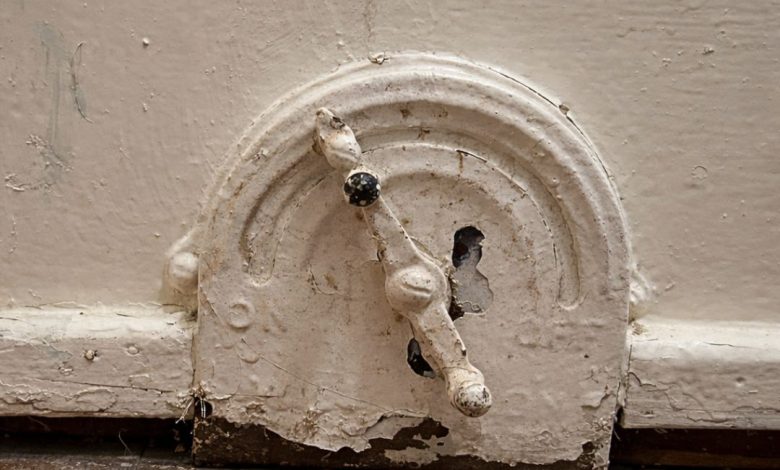
In today’s world of smart thermostats and centralized HVAC systems, it’s easy to overlook the role that old damper controls once played in keeping homes comfortable. Long before modern heating became standard, these simple mechanisms were essential tools for managing temperature, airflow, and fuel efficiency in homes that relied on fireplaces, wood-burning stoves, and early furnace systems.
What a Damper Is and Why It Mattered
Damper controls (also called draft controls or simply dampers) were widely used when open fires and stoves served as primary heat sources. Installed in a chimney, flue, or stovepipe, a damper functioned like a basic valve—opening and closing to regulate airflow.
Key purposes included:
- Controlling airflow to strengthen or calm the fire
- Regulating heat output to maintain indoor comfort
- Supporting cleaner, more efficient burning by managing the combustion process
- Improving fuel efficiency by preventing excessive heat loss up the flue
A Piece Linked to Gravity Furnaces
Some dampers were connected to older heating setups such as gravity furnaces, which relied on natural convection (warm air rising) rather than powered blowers. In those systems, the damper could help influence:
- How quickly heat moved through the home
- How much warm air was retained versus lost through the venting path
- Overall temperature consistency in different rooms
The Evolution of Home Heating—and Why Dampers Disappeared
As central heating and later modern HVAC became widespread, older fireplace- and stove-based controls became less necessary. Many damper mechanisms were removed, ignored, or left in place but no longer used as originally intended.
Yet in recent years, homeowners and collectors have started to revalue them—not necessarily for daily operation, but for their history and craftsmanship.
Why People Are Rediscovering Vintage Damper Controls
Even when older dampers are no longer functional in a modern heating system, they still offer meaningful benefits and appeal:
- Historical Significance
- They represent how households once managed heat manually.
- Collectors and preservationists value them as practical artifacts that reflect a bygone era of home engineering.
- Aesthetic Appeal
- Many vintage dampers feature ornate detailing, decorative patterns, and distinctive forms.
- If yours is brass, it may clean up into a striking statement piece with real visual warmth.
- Functional Art in Modern Spaces
- Restored dampers can become conversation-starting decor while still honoring their original purpose.
- Some are repurposed into wall accents, shelf brackets, or unique hardware elements.
- DIY Restoration Potential
- Cleaning and restoring a vintage damper can be a rewarding hands-on project.
- With careful polishing and reinstallation, it can become a beautiful and meaningful talking point—a small object that tells a bigger story about the home.
A Restoration Vision: Clean, Polish, Reinstall
For many antique enthusiasts, the goal is simple: remove the damper, clean it thoroughly, polish it, and reinstall it—not just to preserve function, but to showcase craftsmanship. A well-restored damper can highlight the character of an older home and connect modern living with historical design.
Why This Small Object Still Matters
Vintage damper controls may seem minor compared to today’s heating technology, but they were once central to daily comfort. Restoring one isn’t just about saving hardware—it’s about preserving a practical piece of the home’s past and giving it a visible place in the present.