This metal piece is attached to the wall in a WC in my Airbnb.
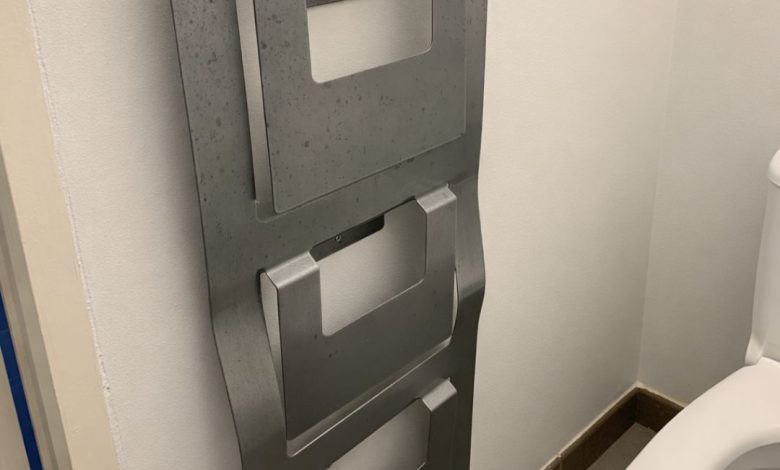
The item in the photos is the IKEA SKRISSEL wall-mounted magazine/newspaper rack—a three-tier, metal wall organizer designed to keep printed materials visible, sorted, and easy to grab. Its clean geometry and powder-coated steel look made it a natural fit for late-1990s through early-2000s minimalist interiors.
Official Name and Common Listings
- Product name: SKRISSEL
- Common listing names: SKRISSEL magazine wall rack, SKRISSEL newspaper rack, SKRISSEL letter and magazine organiser
- Typical product number seen on labels/listings: 367.092.83 (often shown in secondhand listings)
When It Came Out
While exact launch timing can vary by country and catalogue cycle, SKRISSEL is documented in IKEA catalog-era materials from around 2000 and into the early 2000s, and it is widely associated with the late-1990s / early-2000s IKEA storage and desk-accessory aesthetic.
Who Created It
- Design credit: IKEA of Sweden (IKEA’s in-house design organisation)
In many IKEA products of this period, the designer credit is listed as IKEA of Sweden rather than an individual designer name.
Materials and Build
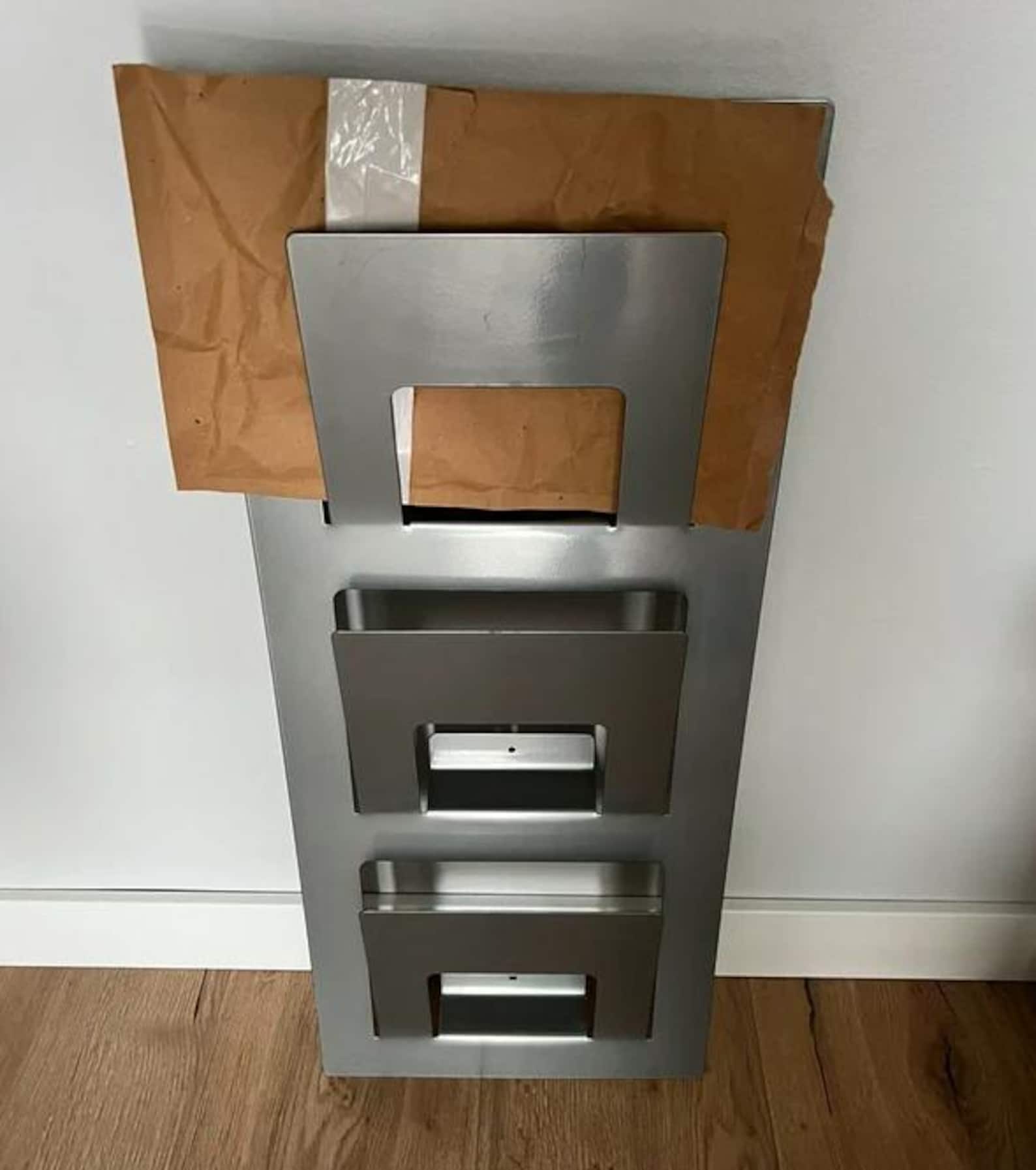
From the images, SKRISSEL is built as a rigid, wall-mounted steel panel with three angled pockets. Key characteristics include:
- Material: Powder-coated / painted steel (metal)
- Form: Vertical backplate with three separate holders
- Style: Industrial-minimalist, with squared cut-outs and clean edges
- Common colors seen: White, silver/grey, and occasionally brighter vintage colors (rarer variants)
Measurements (Typical for This Model)
Secondhand listings and catalog-era references commonly describe SKRISSEL as approximately:
- Height: ~78 cm (30.5 in)
- Width: ~33 cm (13 in)
- Depth: ~9 cm (3–3.5 in)
Actual depth can appear slightly different depending on how the pockets flare and how it’s mounted.
What It’s Used For
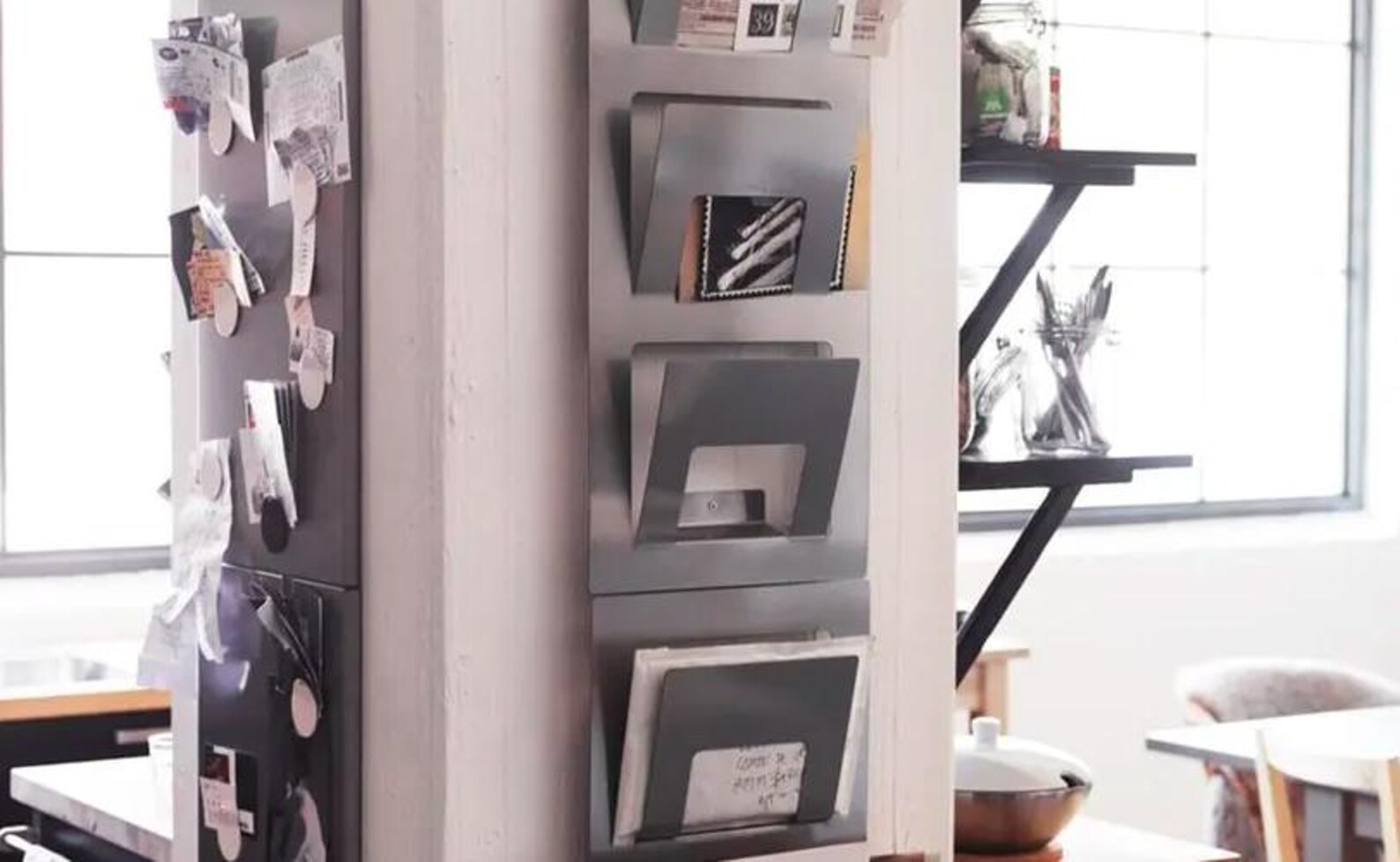
SKRISSEL is essentially a vertical “paper station”. Each pocket acts like a dedicated bay so you can separate items by type or priority.
Most common uses
- Magazines and catalogs (top-to-bottom sorting by newest/oldest)
- Newspapers (rolled or folded)
- Mail and letters (inbox / to-pay / to-file)
- Notebooks and thin folders
- School or office paperwork (forms, handouts, drafts)
Why the Design Works
- Wall-mounted = zero floor footprint: Ideal for small apartments, hallways, and home offices.
- Three compartments: Encourages simple “systems” (for example: Incoming / Current / Archive).
- Angled pockets: Helps prevent papers from sliding out while keeping covers visible.
- Metal construction: Stiffer and longer-lasting than many plastic organizers, which is part of why it still shows up in resale markets decades later.
Where It Fits Best at Home (Practical Placement Ideas)
- Entryway: Mail, flyers, bills, appointment letters
- Kitchen wall: Recipes, grocery lists, family schedules
- Home office: Project folders, reference magazines, printed drafts
- Studio or classroom: Sketchbooks, notebooks, worksheets
- Laundry or utility area: Manuals, cleaning checklists, service receipts
Why It’s Considered “Vintage” and Often Listed as “Rare”
SKRISSEL is frequently described as “vintage” because it is discontinued and tied to a specific IKEA design era. Its popularity today is driven by:
- The classic IKEA metal-organizer look associated with early-2000s interiors
- Limited availability (people keep them, and fewer appear in resale)
- Aesthetic crossover (works in minimalist, Scandinavian, and industrial décor)
- Function-first design that still solves a real everyday problem: paper clutter
Quick Identification Checklist (Based on the Photos)
- Three metal pockets stacked vertically on a single backplate
- Each pocket has a rectangular cut-out window
- Clean, squared geometry with a slightly angled “scoop” shape
- Mounting points/holes typically aligned behind each tier
Summary
The IKEA SKRISSEL is a wall-mounted, three-tier metal magazine and paper organizer credited to IKEA of Sweden, widely seen in the late-1990s to early-2000s IKEA product universe. Its enduring appeal is straightforward: strong materials, simple structure, and a timeless way to keep paper organized without taking up space.