This tiny door on my wall below the window? 1926 NYC apartment building.
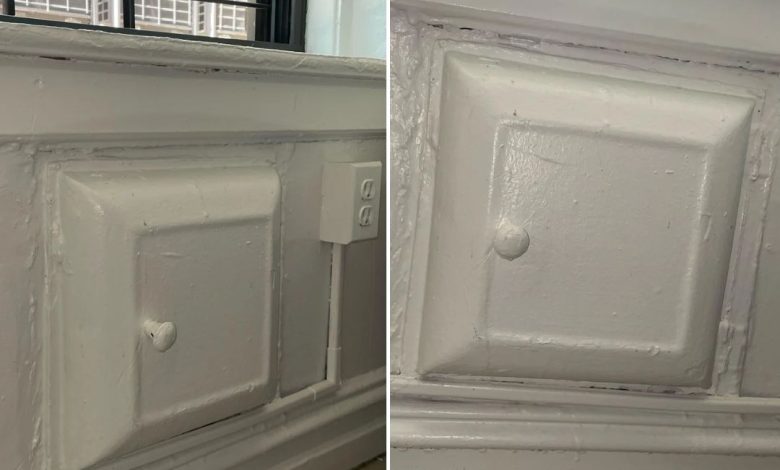
In some older New York City apartment buildings, you may notice a small, sealed door built into the wall below a window. In a 1926 building, that feature is commonly known as a cold box (sometimes described as a built-in cold cupboard). It was a practical solution for keeping certain foods cooler before modern refrigerators became truly common and convenient.
What It’s Called
- Name: Cold box (a built-in cold storage compartment)
- Where found: Older apartments, including 1920s New York City buildings
- Location in the home: Often below a window on an exterior wall for cooler airflow
Why It Existed
In the 1920s, home refrigeration was not yet as easy or widespread as it is today. Many households relied on:
- Seasonal outdoor temperatures
- Iceboxes (which required ice delivery and regular upkeep)
A cold box helped residents take advantage of naturally cold weather, especially in winter and colder months.
How It Worked
A typical cold box functioned like a mini cold-storage cabinet built into or against an exterior wall:
- Cool outdoor air (or the cold temperature of the wall itself) helped lower the compartment’s temperature.
- Residents could store items that benefited from cooler conditions.
- It was especially useful on cold days, when the compartment could stay noticeably cooler than the room.
What People Stored Inside
Common items included:
- Milk
- Butter
- Other “cold” groceries that needed short-term cooling, particularly in winter
Why It Matters Today
These small doors are a reminder of how building design once supported daily life with simple, low-tech solutions. In many old apartments, the cold box remains as:
- A historical architectural detail
- A conversation piece
- A still-usable storage compartment, though not a true refrigerator by modern standards
Key Takeaway
- This tiny door is a built-in “cold box,” used in a 1926 NYC apartment building to keep items like milk and butter cooler on cold days—an early workaround before refrigerators became convenient and widespread.