Transgender man angry at nurses misgendering him after giving birth
Using someone’s preferred name and pronouns is widely seen as a basic way to show respect and recognition of their identity. But for many people—especially transgender and non-binary individuals—this respect is not always reflected in everyday life or medical settings.
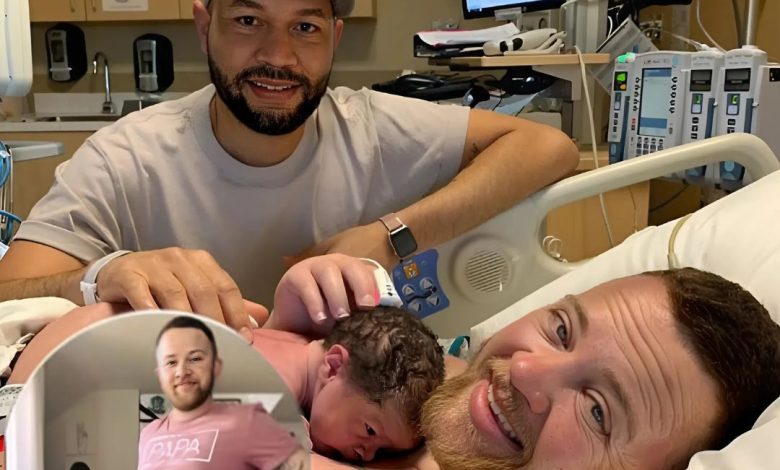
Bennett Kaspar-Williams, 37, from Los Angeles, welcomed their son, Hudson, via cesarean section, supported by their husband, Malik. At the time, Bennett identified as male and used he/him/his pronouns. They now identify as non-binary and use he/him/his and they/them pronouns. Despite clearly stating their gender on medical paperwork, Bennett said hospital staff repeatedly referred to them as a “mother” instead of a father, which became one of the most difficult parts of the experience.

A Transition Journey and a Deliberate Choice to Start a Family
Bennett said he began his transition in 2014, after realizing he was transgender in 2011. When the couple decided to have a child, they carefully considered what it would involve. Bennett paused testosterone therapy so that his reproductive system could function again. Although he had undergone top surgery, he had not pursued surgeries involving his lower body. After reflecting on the decision, Bennett said he ultimately felt at peace with carrying the pregnancy himself.
Once they started trying, Bennett said he became pregnant naturally and sooner than expected. “We had only been trying a short while, so we expected the process to take longer than it did,” he recalled.

Pregnancy During the Pandemic—and a Different Kind of Stress
Bennett’s early excitement quickly shifted when the COVID-19 pandemic arrived. He described feeling anxious about how to stay safe while pregnant during a global health crisis. At the same time, he said pregnancy and childbirth were both meaningful and challenging, especially because of how often people assumed his gender.
Bennett explained that the strongest dysphoria he experienced during pregnancy did not come from being pregnant itself—but from being misgendered by healthcare staff. “The only thing that made me dysphoric about my pregnancy was the misgendering that happened to me when I was getting medical care,” he said.

“Hard to Escape”: Why Misgendering Kept Happening
Bennett said that even though forms reflected his identity, staff continued using gendered language like “mom.” He argued that pregnancy care in the U.S. is often built around a single traditional narrative—one that automatically links pregnancy to womanhood and motherhood—making it difficult for trans and non-binary parents to feel seen.
He emphasized that having a uterus does not guarantee pregnancy, and that parenthood experiences vary widely. In his view, the solution begins with changing how society talks about family roles, especially in healthcare: it should be possible to acknowledge pregnancy without automatically assigning “mother” as the identity of the person giving birth.
A Message After Hudson’s Birth: Parenthood Beyond Gender Labels
After Hudson’s birth, Bennett said he became more vocal about a simple point: childbirth is not automatically tied to gender identity. He has advocated for language and systems that respect how people identify—especially in hospitals, where words used by staff can deeply affect patients during vulnerable moments.
Today, Hudson is three years old, and Bennett shared a joyful reflection on their family: “This sweet guy is 3 years old today… Malik Kaspar-Williams and I are so lucky to be his parents.”

What Bennett’s Story Highlights
Bennett Kaspar-Williams’ experience underscores how important inclusive, respectful language is—particularly in healthcare. The story also raises a broader reminder: parenthood roles (like “mother” or “father”) should match a person’s identity, not assumptions based on biology. Respecting names and pronouns isn’t just politeness—it can be a crucial part of dignity, safety, and emotional wellbeing for patients and families.