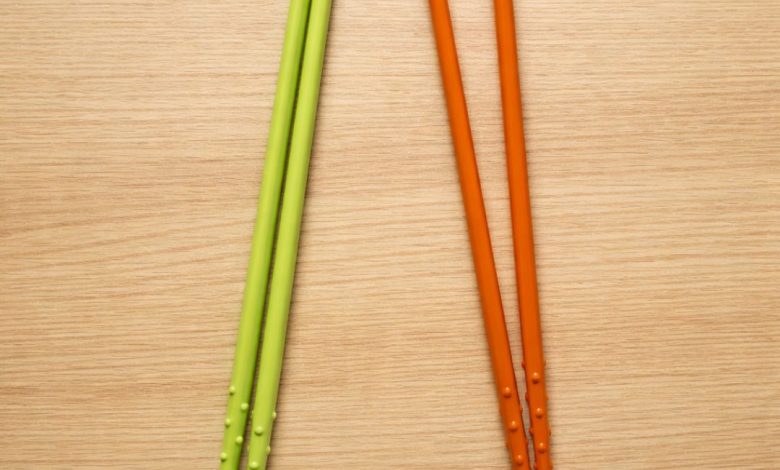
Two pairs of plastic sticks with bumps on one end, which is narrow, found among an elderly woman’s belongings. What are these things?
A Beginner’s Problem: Chopsticks Can Be Hard
For many first-time users, chopsticks feel like a puzzle: two thin sticks, a slippery dumpling, and lots of dropped food. Learning the grip and pressure control doesn’t come naturally to everyone, especially kids and beginners.
What Made IKEA’s Learning Chopsticks Different
IKEA introduced a beginner-friendly option that focused on comfort, grip, and fun rather than tradition.
Key features that helped beginners:
- Bright plastic colors (often orange and yellow) that felt playful and welcoming
- Ridged tips designed for better traction, making it easier to hold food
- A simple, practical feel—less “formal dining,” more everyday use
Part of a Fun Everyday Collection
These chopsticks were associated with IKEA’s early-2000s SMÅL/SMAL-era kids-and-family style, aimed at making everyday items feel lighter, friendlier, and more approachable. Instead of copying traditional dark-wood chopsticks, IKEA leaned into function-first design.
Who Used Them (And Why They Worked)
Because they were easy and forgiving, they ended up becoming the “default” chopsticks for all kinds of people at home:
- Kids and beginners who needed a confidence boost
- Family members who didn’t want to struggle through meals
- Roommates and friends who liked the low-pressure, practical design
They weren’t about showing off—they were about actually getting the food from plate to mouth.
A Small Symbol of a Bigger Food Shift
As global food became more common—ramen, sushi, pad Thai, bibimbap, dumplings—more people wanted to eat the “right way,” but didn’t yet have the technique. IKEA’s learning chopsticks acted as a bridge:
- A way to participate without embarrassment
- A tool that made practice feel fun instead of frustrating
- An entry point for people still learning basic chopsticks etiquette and control
Why They Became So Memorable
For many households, these chopsticks became tied to laughter and learning:
- The moment you finally stop dropping dumplings
- The jokes from friends who insist there’s a “correct” grip
- The shared chaos of early attempts that turn into a real skill over time
In that way, they were more than utensils—they were a learning tool with personality.

The Takeaway: IKEA Got the Assignment Right
IKEA learning chopsticks weren’t about status or tradition. They were:
- Fun
- Effective
- Beginner-friendly
- A simple way to build confidence one bite at a time
For anyone who values comfort and joy at the table, these plastic “training wheels” proved that good design can make learning feel easy—and meals more enjoyable.