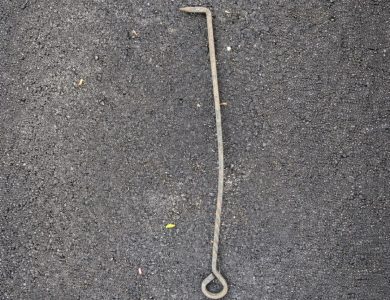
What is this weird thing? My husband found it in the basement of our new house, and we have no idea how it was used
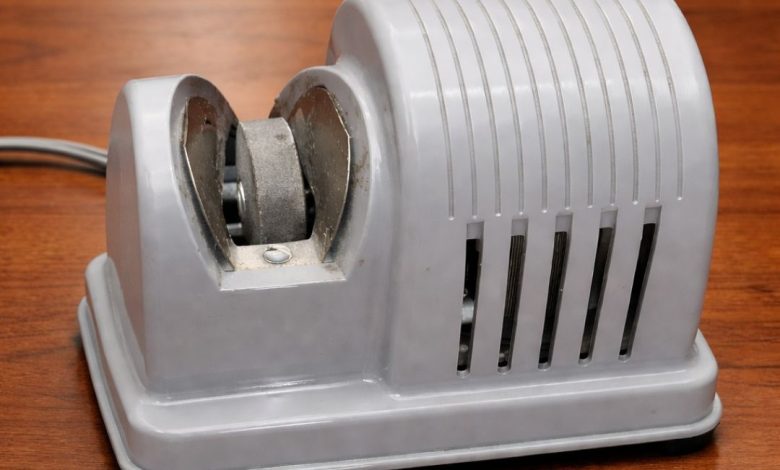
The 1950s Kenmore Electric Knife Sharpener was a countertop kitchen appliance designed to help home cooks restore a sharper edge to everyday knives with less effort than manual stones. It reflects the mid-century trend toward electric convenience appliances—small machines that promised faster, easier household tasks.
Name and Identity
- Product name: Kenmore Electric Knife Sharpener
- Common era association: 1950s (mid-20th century)
- Where the Kenmore name came from: Kenmore was the house brand used by Sears, Roebuck and Co. for many appliances and household electrics. In practical terms, Sears marketed the sharpener under the Kenmore label for home use.
When It Appeared
- Time period: Mid-20th century, with many models and advertisements commonly associated with the 1950s kitchen appliance boom.
- Why that timing makes sense: Post-war households saw rapid growth in small electric countertop gadgets, and knife sharpeners fit that push toward modern, time-saving tools.
Who Created It
Because “Kenmore” was primarily a retail brand, the most accurate way to describe authorship is:
- Brand/marketer: Kenmore (Sears, Roebuck and Co.)
- Manufacturing reality: Many Kenmore-branded products across decades were made by partner manufacturers and sold under the Kenmore name. So the sharpener is best credited as a Kenmore/Sears product line item, rather than a single named inventor.
What It Was Used For
Primary purpose:
- Sharpening dull kitchen knives (especially common household steel knives)
- Maintaining a usable cutting edge for everyday cooking tasks like slicing vegetables, carving meats, and food prep
Why people wanted it:
- Speed: Sharpening could be done in seconds to minutes rather than a longer manual process.
- Consistency: Guided slots helped users sharpen at a more uniform angle than freehand methods.
How It Typically Worked
While designs varied by model, many 1950s electric sharpeners followed a similar approach:
- Electric motor spun an internal abrasive wheel or grinding surface
- The user placed the blade into a guide slot and drew it through in a controlled motion
- Some units aimed to support basic sharpening and edge touch-ups for routine kitchen needs
Notable Mid-Century Design Traits
Collectors often associate 1950s countertop appliances with:
- Sturdy housings (often metal or heavy early plastics)
- Simple switches and straightforward controls
- A “built-to-last” feel compared to many lightweight modern gadgets
- Styling that matched mid-century kitchens—clean lines and practical forms
Why It Matters Today
The 1950s Kenmore Electric Knife Sharpener is interesting for two main reasons:
- Kitchen history: It represents the shift toward electrified home convenience in everyday cooking.
- Collectibility: Vintage Kenmore items appeal to collectors of mid-century appliances, especially when the unit is complete, clean, and functioning.
Basic Care and Safety Notes
- Unplug before cleaning and avoid moisture near the motor housing.
- Use only for kitchen knives as intended; avoid forcing blades.
- If the unit is vintage and you plan to power it on, check the cord condition first—aging insulation can crack over time.