The Death of Richard Williams Should Force America to Confront Public Safety and Border Enforcement
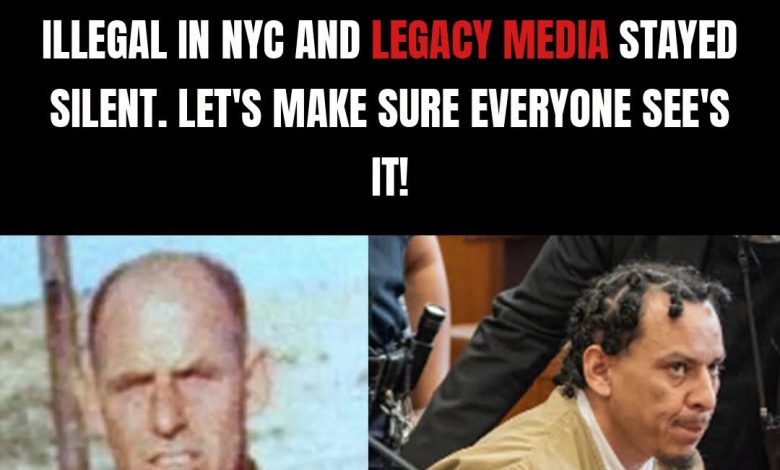
Richard Williams, an 83-year-old U.S. Air Force veteran, grandfather, and cancer survivor, died after prosecutors say he was shoved onto the tracks at New York City’s Lexington Avenue–63rd Street subway station. His death is not just another crime statistic. It is a warning sign about what happens when repeat offenders, broken enforcement systems, and political excuses collide in the lives of ordinary Americans.
According to authorities, Williams was attacked on March 8, 2026, while using the subway. He died on March 17 from his injuries. Manhattan District Attorney Alvin Bragg’s office said the suspect, Bairon Hernandez, was charged with second-degree murder, attempted assault, and assault after Williams’ death. A second man was also allegedly pushed onto the tracks and survived.
The immigration facts in this case are impossible to ignore. The Department of Homeland Security said Hernandez is a Honduran national who had been deported four times after first entering the United States illegally in 2008, and that he later reentered the country again at an unknown date. DHS also said he had 15 prior charges, including assault-related and drug-related accusations.
That does not mean every immigrant should be blamed for one man’s alleged violence. America has always been strengthened by lawful immigrants who respect the rules and build honest lives here. But it does mean the public has a right to ask a hard question: how was a repeatedly deported man with a long record of prior charges still free to allegedly attack people in one of the busiest transit systems in the country?
This is where policy matters. Border enforcement, local cooperation with federal immigration authorities, criminal accountability, and public transit safety are not abstract talking points. They determine whether elderly citizens can ride a train without fear. They determine whether families can trust that violent repeat offenders will be stopped before another preventable tragedy occurs.
Williams’ family described him as a man who was still living independently, still moving through the city, still enjoying life at 83. His daughter told NBC New York that he had simply planned to go shopping that day. He never made it.
Americans should be able to discuss this case honestly without hiding behind slogans. Compassion for immigrants and protection for citizens are not mutually exclusive. A serious country can welcome lawful newcomers while removing dangerous repeat offenders. A serious city can protect due process while also refusing to make excuses for violence. A serious government can honor veterans not only with speeches, but with policies that protect the streets, stations, and neighborhoods they helped defend.
Richard Williams deserved safety. His family deserves justice. And the public deserves a government willing to admit when the system failed.
The lesson is clear: when enforcement breaks down, ordinary Americans pay the price. Public safety must come before political comfort, and the rule of law must mean something before another family is left grieving.