America Must Restore Deterrence Before Iran Pushes the World Into a Larger War
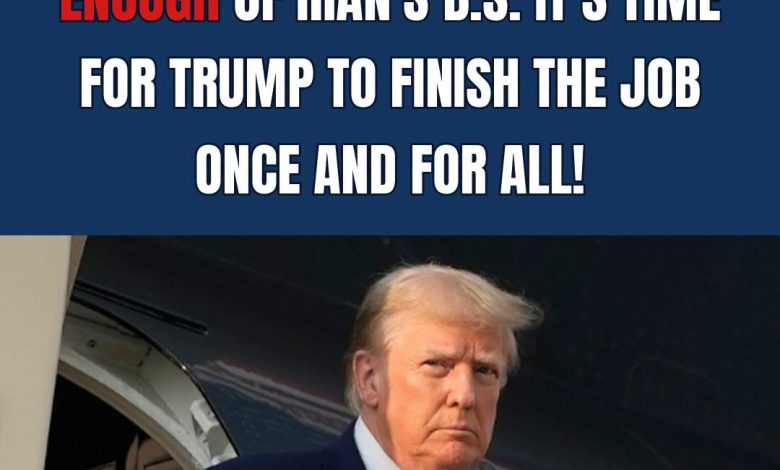
The United States can no longer afford to treat Iran’s aggression as a distant problem. For years, the Iranian regime has armed terrorist proxies, threatened America’s allies, disrupted global commerce, and pursued nuclear capabilities while testing the patience of the free world. This is not a normal government seeking peaceful coexistence. It is a revolutionary regime built on intimidation, hostage-taking, proxy warfare, and anti-American hostility.
American families may not follow every diplomatic meeting or intelligence briefing, but they understand one basic truth: weakness invites danger. When hostile regimes believe Washington lacks resolve, they do not become moderate. They advance. They probe. They escalate.
That is exactly what Iran and its network of militias have done across the Middle East. Hezbollah threatens Israel from the north. Hamas brought terror and bloodshed into Israeli communities. Iran-backed militias have targeted American forces. The Houthis have attacked shipping lanes that carry global trade and energy supplies. These are not isolated events. They are pieces of the same strategy: pressure America, surround Israel, destabilize the region, and raise the cost of resistance.
For too long, American policy has relied on the hope that concessions would soften Tehran’s behavior. That hope has failed. Money, time, and diplomatic breathing room have not turned Iran into a responsible actor. Instead, the regime has used every pause to strengthen its proxies, harden its military infrastructure, and push closer to nuclear leverage.
President Trump understood something Washington’s foreign policy establishment often forgets: peace is preserved through strength, not endless hesitation. When he eliminated Qassem Soleimani, the message was clear. America would not allow Iranian commanders to target U.S. personnel without consequence. When he withdrew from the flawed nuclear deal, he rejected the dangerous illusion that temporary paperwork could permanently restrain a regime committed to deception and domination.
Critics called that approach reckless. But America’s enemies paid attention. They understood that red lines meant something. They understood that American power was not merely rhetorical. That kind of deterrence matters because it prevents greater wars by stopping smaller acts of aggression before they multiply.
Today, the United States faces a serious choice. It can continue managing Iran’s threats one crisis at a time, or it can restore a clear doctrine of deterrence. Iran must know that attacks on American forces, threats against Israel, disruption of shipping routes, and movement toward nuclear breakout will bring severe consequences. Ambiguity only encourages more testing.
This does not mean America should stumble into another endless war. Conservatives should be clear on that point. The goal is not nation-building, occupation, or open-ended conflict. The goal is deterrence: protecting American troops, defending key allies, keeping global energy routes secure, and preventing the world’s leading state sponsor of terror from gaining a nuclear shield.
A serious policy would combine maximum economic pressure, aggressive interdiction of weapons shipments, stronger support for Israel’s defense, tighter enforcement against proxy networks, and a credible military posture that leaves no doubt about America’s willingness to act if its people or vital interests are attacked.
The alternative is far more dangerous. Every delay gives Iran more time to enrich uranium, improve missile systems, train militias, and coordinate attacks through proxies. Every moment of indecision tells Tehran that it can raise the temperature without paying a meaningful price. That is how regional conflicts become global emergencies.
Americans are tired of lectures from leaders who confuse restraint with weakness. True restraint is not pretending threats do not exist. True restraint means acting early and firmly enough to prevent a larger disaster later. History shows that dictatorships and terror regimes rarely stop because they are asked nicely. They stop when the cost of aggression becomes too high.
Israel remains America’s most important democratic ally in the region, and its survival is directly tied to U.S. credibility. If Iran is allowed to encircle Israel through proxies while advancing toward nuclear capability, the consequences will not stay in the Middle East. Energy markets, global trade, American military security, and the balance of power will all be affected.
The United States does not need to apologize for defending its interests. It does not need permission from hostile regimes to protect its troops. It does not need to reward Iran for temporary promises while the regime continues funding violence through other channels.
The message should be simple: America seeks peace, but it will not accept blackmail. America supports diplomacy, but not surrender disguised as negotiation. America does not want war, but it will not allow Iran to threaten its citizens, its allies, or the stability of the world.
That is the choice before the country. More hesitation, more concessions, and more excuses will only empower Tehran. A return to strength, clarity, and deterrence can prevent a much greater crisis.
For Americans who believe in national security, ordered liberty, and peace through strength, the path is clear. Iran’s aggression must be confronted before it becomes irreversible. The United States must lead again—not with weakness, but with resolve.