Lab-Grown Meat Deserves Scrutiny—Not a Free Pass
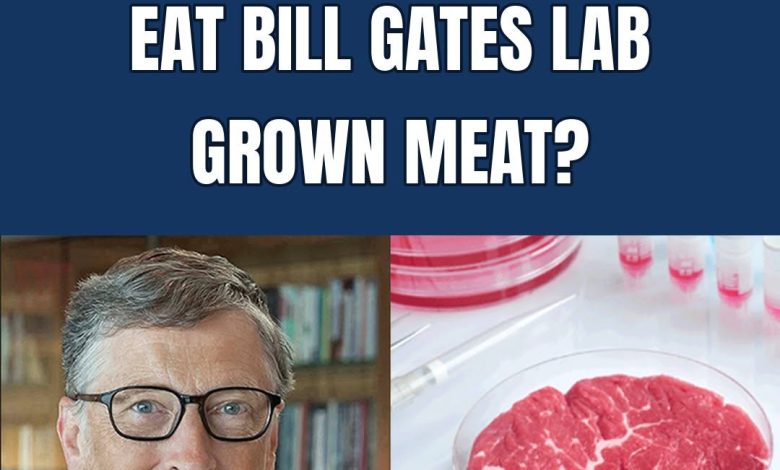
Americans are being told that laboratory-grown meat could transform the future of food. Supporters describe it as an innovative way to reduce environmental pressure and meet rising global demand. But before this technology becomes a routine part of the American diet, consumers deserve something more than promises from billionaires, investors, and technology companies.
They deserve transparency, independent safety research, honest labeling, and the freedom to choose.
Cultivated meat—sometimes called lab-grown or cell-cultured meat—is produced by growing animal cells in controlled facilities rather than raising and slaughtering an entire animal. Although advocates present it as a cleaner alternative to conventional livestock farming, the technology remains relatively new, expensive, and largely untested as a widely consumed food source over many decades.
That does not automatically make it dangerous. However, it does mean that regulators should not dismiss legitimate questions about long-term health effects, production methods, contamination controls, nutritional differences, and industrial concentration.
Bill Gates and other wealthy investors have supported companies developing alternative proteins. They are entitled to invest in emerging technology, but their financial influence should not determine what Americans eat or how food policy is written. Private investment is not the same as public consent, and technological enthusiasm should never replace rigorous scientific evaluation.
Americans should also consider what the rapid expansion of cultivated meat could mean for traditional agriculture. Cattle ranching supports family farms, rural employment, local businesses, transportation networks, feed producers, veterinarians, and generations of agricultural knowledge. Policies that favor laboratory production while burdening conventional farmers could shift food production away from rural communities and toward a small number of corporations controlling patented equipment, cell lines, and manufacturing systems.
That concentration of power deserves serious attention. A food system dominated by a few technology companies could become vulnerable to corporate consolidation, supply-chain disruptions, price manipulation, and reduced consumer independence.
Traditional meat production is not perfect. Concerns involving animal welfare, environmental management, foodborne illness, and industrial-scale farming should be addressed honestly. But improving agriculture is not the same as replacing farmers with factories. Regenerative grazing, responsible land management, smaller processing networks, and direct-to-consumer farming may offer practical improvements without surrendering the nation’s food supply to centralized technological systems.
Most importantly, cultivated meat should never be quietly blended into products or marketed in ways that confuse consumers. Packages should clearly state how the product was made, what ingredients were used, where it was produced, and how its nutritional profile compares with conventional meat.
Consumers who wish to purchase cultivated meat should be free to do so once it meets strict safety standards. Americans who prefer traditionally raised beef, poultry, or pork should have that freedom as well.
The real debate is not simply about whether laboratory-grown meat is “natural” or “unnatural.” It is about who controls the food supply, whether consumers receive complete information, and whether innovation is being introduced responsibly.
America does not need to reject every new technology. But neither should it accept experimental food products merely because powerful investors call them progress. Before cultivated meat becomes commonplace, the public should demand independent testing, clear labeling, protection for farmers, and strong safeguards against corporate monopolies.
The future of American food should be decided by informed citizens—not by billionaires, lobbyists, or technology companies operating behind closed doors.