Roseanne Barr Sounds The Alarm Over Taylor Swift’s Growing Political Influence
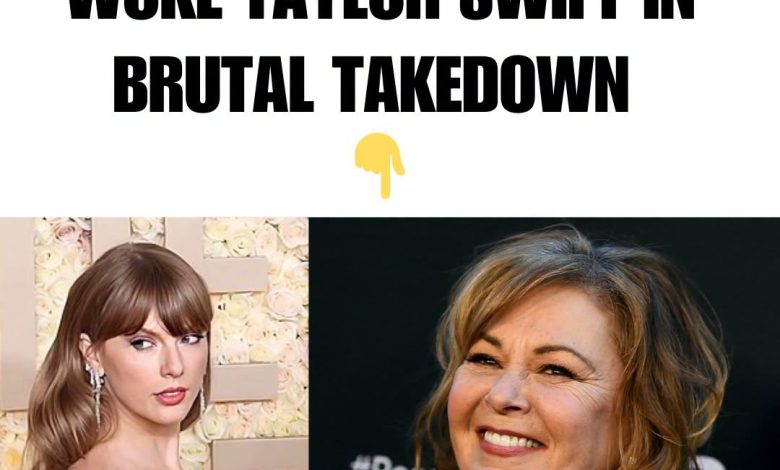
Comedian Roseanne Barr is raising concerns about the growing relationship between celebrity culture and Democratic political organizing, arguing that Taylor Swift’s enormous influence could be used to mobilize young voters against conservative candidates.
During a conversation with conservative commentator Jack Posobiec, Barr agreed with his warning that Swift’s intensely loyal fan base may become an increasingly valuable political force. Posobiec suggested that Democratic organizers and their allies in the entertainment industry could encourage millions of “Swifties” to register, vote, and support progressive candidates.
“I think that’s what they’re doing too,” Barr responded, signaling that she believes Swift’s cultural reach is no longer limited to music and entertainment.
Posobiec argued that Swift’s celebrity status, her highly publicized relationship with NFL star Travis Kelce, and her previous support for Democratic candidates have helped position her as a powerful political messenger. In his view, the constant media attention surrounding the singer could eventually be converted into voter turnout.
However, the claim that Swift’s career or relationship was deliberately manufactured as a political operation remains speculation rather than an established fact. What is undeniable is that Swift possesses an unusually large platform and has previously demonstrated an ability to generate political engagement among younger Americans.
Barr also accused Swift of communicating in ways that satisfy the political and cultural establishment. Her criticism reflects a broader concern among conservatives who believe entertainers are increasingly expected to promote progressive positions on elections, gender, identity, immigration, and government policy.
The debate is therefore about more than Taylor Swift herself. It concerns the expanding role celebrities play in American politics.
For decades, musicians, actors, athletes, and television personalities have used their fame to endorse candidates and advocate for political causes. Supporters view such involvement as a legitimate exercise of free speech. Critics argue that celebrity endorsements can substitute emotional loyalty for serious examination of policies and candidates.
Swift’s audience includes a significant number of young people, giving her public statements the potential to reach voters who may not regularly follow political news. That influence makes her attractive to political campaigns—but it also raises questions about whether fans are evaluating issues independently or simply following someone they admire.
Barr’s warning is straightforward: Americans should not allow celebrity popularity to determine how they vote.
A famous singer has the same right as any other citizen to express political opinions. But fame does not automatically create expertise in economics, immigration, national security, education, or constitutional government. Voters should examine a candidate’s record and policies rather than treating an entertainer’s endorsement as a substitute for personal judgment.
Barr has built her public identity around challenging political correctness and criticizing the entertainment establishment. Her remarks about Swift fit squarely within that reputation. To her supporters, she is exposing the political machinery behind celebrity activism. To her critics, she is exaggerating ordinary political participation and portraying young voters as incapable of making their own decisions.
Still, the underlying issue deserves attention. Celebrity influence is real, political campaigns understand its value, and both major parties attempt to use popular personalities to reach voters. The important question is not whether Taylor Swift should be permitted to speak. She clearly should. The question is whether Americans can separate entertainment from political analysis.
Barr’s message to parents, young voters, and conservatives is ultimately a call for skepticism: enjoy the music, respect the artist’s right to speak—and then think independently before entering the voting booth.
In a political culture increasingly shaped by viral clips, fandoms, and celebrity endorsements, that warning may resonate far beyond the Swifties.