A Child’s Drawing Triggered an “Emergency Meeting” — Until One Detail Made Everything Clear
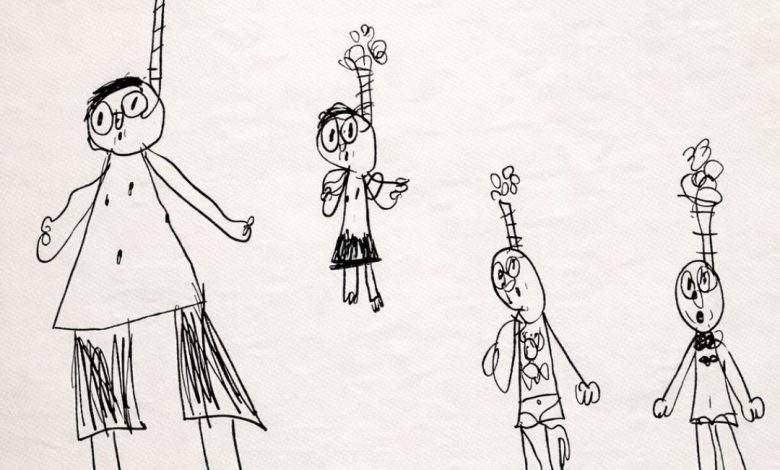
Kids draw strange things. And while parents often overthink what their children create, teachers can sometimes do the same—especially when a picture looks confusing or alarming at first glance.
That’s what happened to one father after his six-year-old son came home with a note: the teacher wanted an “emergency meeting” about a drawing done in class.
The Call That Worried the Parents
The father explained that the teacher asked the students to draw their family. Later, the child told his parents the teacher “didn’t like a drawing” he made.
When the parents arrived at school, the teacher showed them the picture and asked a direct question:
- “I asked him to draw his family and he drew this—would you mind explaining?”
The Parents’ Explanation: “We Were Snorkeling”
The mother said there was nothing sinister behind the sketch. It was simply their family on vacation.
- “We were snorkeling off the Bahamas.”
In other words, what looked troubling to the teacher was actually a child’s attempt to draw an underwater vacation scene.
Online Reactions: Split Down the Middle
The story quickly sparked debate, with many people arguing about whether the teacher overreacted—or acted responsibly.

Critics said the meeting was unnecessary
Common reactions included:
- “Emergency meeting over this?”
- “It’s pretty clear what it is.”
- “Kids are innocent—don’t turn everything into a crisis.”
Some argued the teacher should have done one simple step first:
- Ask the child what the drawing shows
- Hear “snorkeling”
- End of story
Supporters said the teacher had to take it seriously
Others defended the teacher, saying schools must treat anything “out of the ordinary” with caution, especially because:
- Teachers are expected to flag potential warning signs
- If they ignore something and later it’s serious, they can be blamed for “doing nothing”
- Some educators feel they must document concerns to protect both students and themselves
One viewpoint summarized the cautious stance as:
- Better a false alarm than missing a real problem
Why This Happens in Classrooms
Teachers often work under pressure to show due diligence, particularly when:
- A drawing could be interpreted as harm, fear, or distress
- A child is young and might not explain clearly
- Adults worry about what others (administrators or parents) might assume if a concern isn’t reported
Key Takeaways
- Children’s drawings can look alarming when viewed without context
- A quick question to the child can sometimes prevent unnecessary panic
- Schools often choose caution because the consequences of missing a real issue can be severe
- In this case, the “mystery drawing” had a simple explanation: a family snorkeling holiday
Bottom line: The incident became a reminder of how easily adults can misread kids’ artwork—and how complicated the line is between overreacting and protecting children.