America’s Border Crisis Is Not About Cruelty — It Is About Sovereignty
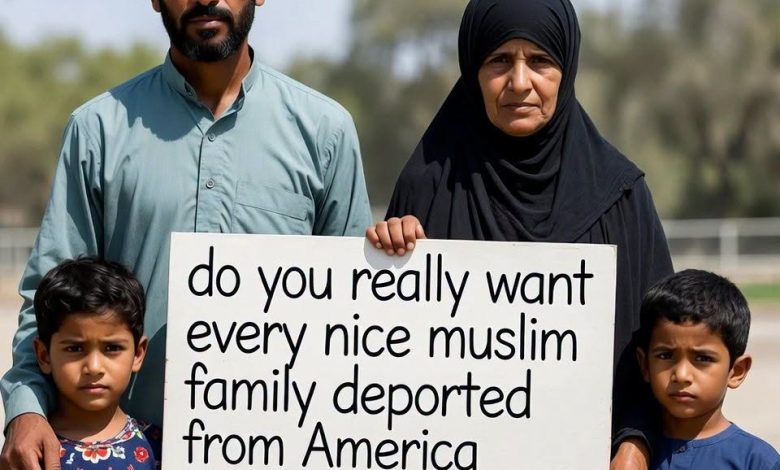
America has always been a nation of immigrants, but it has never been a nation without borders. A country that cannot decide who enters, who stays, and who must leave is slowly surrendering its own sovereignty. That is why the debate over illegal immigration should not be reduced to emotional signs, political slogans, or accusations that anyone who supports enforcement is heartless.
The real issue is simple: laws must mean something.
Millions of Americans support legal immigration. They welcome people who come through the proper process, respect the country’s laws, contribute to their communities, and embrace the responsibilities that come with living in the United States. But there is a major difference between legal immigration and illegal entry. Pretending those two are the same insults every immigrant who waited, applied, paid fees, passed checks, and followed the rules.
Border security is not an extreme idea. It is a basic duty of government. Every sovereign nation has the right — and the obligation — to control its borders. The United States is no different. When illegal crossings rise, the burden does not fall on politicians in Washington first. It falls on border towns, schools, hospitals, law enforcement, taxpayers, and working families already struggling with inflation and housing costs.
The concern is not that every person who enters illegally is dangerous. That would be unfair and inaccurate. The concern is that a broken system makes it harder to identify who is coming, why they are coming, and whether they have a legal right to remain. In a serious country, compassion cannot replace verification.
The fentanyl crisis also shows why border control matters. The Drug Enforcement Administration reported that in 2025 it seized more than 47 million fentanyl-laced counterfeit pills and nearly 10,000 pounds of fentanyl powder, an amount the agency said represented hundreds of millions of potentially deadly doses. That does not mean every migrant is connected to drugs. It means America’s border and entry systems must be strong enough to fight cartels, traffickers, and criminal networks that exploit weakness.
Supporters of open-border policies often focus only on the emotional side of the issue. They show families, children, and sympathetic stories. Those stories matter. But so do the stories of American citizens harmed by repeat offenders, communities overwhelmed by sudden population pressure, and veterans sleeping on sidewalks while public resources are stretched thin. Compassion for newcomers cannot require indifference toward citizens.
The fiscal debate is also more complicated than slogans. The Congressional Budget Office found that increased immigration can raise federal revenues and, in its baseline projection, reduce federal deficits over the long term. But that federal-level analysis does not erase the short-term pressure many local communities feel when they must absorb new demands for housing, schooling, policing, translation services, and emergency care.
That is why a citizen-first immigration policy is not hateful. It is responsible. America can be generous and secure at the same time. It can protect genuine asylum seekers while rejecting fraud. It can welcome legal immigrants while deporting those who violate the law. It can keep families together by encouraging them to return home and apply through legal channels instead of rewarding illegal entry.
Deportation is often described as cruelty, but in a functioning legal system, enforcement is not cruelty. Enforcement is the mechanism that makes the law real. Without consequences, immigration statutes become suggestions. Without borders, citizenship loses value. Without order, compassion becomes chaos.
The path forward should be clear: secure the border, strengthen vetting, end incentives for illegal entry, support law enforcement, and expand a fair legal immigration system that rewards people who respect the process. America does not need to choose between kindness and security. It needs leaders honest enough to admit that security is what makes lasting kindness possible.
Strong borders protect safe neighborhoods. Lawful immigration strengthens the nation. Illegal entry undermines both. America’s future depends on remembering that distinction before it is too late.