En Nuevo León va primera alianza de Morena con PRI y PAN para frenar al gobernador Samuel García
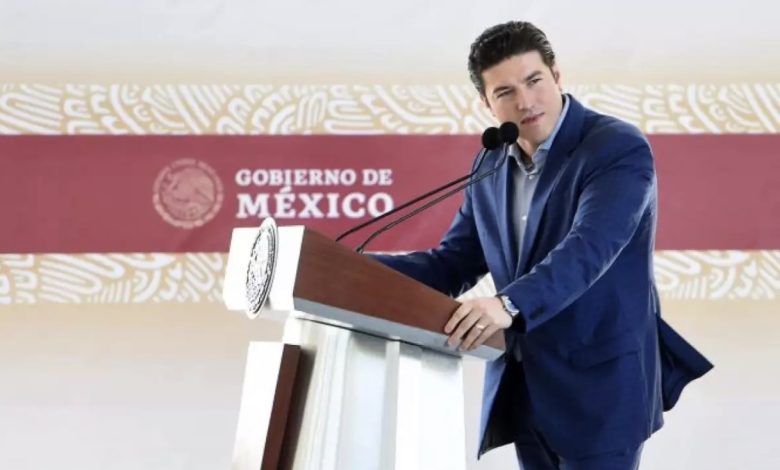
Monterrey, Nuevo León — Politics in Nuevo León has entered an unprecedented phase after Morena, PRI, and PAN—parties that typically face each other as national rivals—formed a legislative alliance with a shared goal: contain Governor Samuel García’s political leverage and reclaim control over the state budget.
The coalition is not built on ideology, but on strategy. For four consecutive years, Nuevo León’s Congress has clashed with the state executive branch over budget approval. This time, however, the balance of power has shifted. Morena, currently the third-largest force in the state, chose to move from the margins into a decisive role—offering PRI and PAN the votes needed to reach a qualified supermajority and override the governor’s veto of the 2026 Budget.
Why the alliance formed: the fight over public spending
At the center of the deal is control of public money. Morena set firm conditions before joining the traditional opposition bloc. Among the key demands:
- No new public debt
- Reverse or contain increases in public transport fares
- Guarantee pending funds for municipalities
- Reduce discretionary spending, including government publicity, travel expenses, and other flexible budget items
PRI and PAN accepted these conditions, arguing that the governor’s proposed budget would have expanded Samuel García’s room to maneuver too far, giving him wider political and financial control.
Las bancadas del PRI, PAN e independiente, en voz de la diputada Perla Villarreal (@perlitavilla), respaldaron las críticas y rechazaron los señalamientos de la presidenta de Morena, Luisa María Alcalde (@LuisaAlcalde), durante su visita a Nuevo León, al advertir que el… pic.twitter.com/SNIcTxbuf6
— El Rincón de Maquiavelo (@rdmaquiavelo) February 4, 2026
Morena’s argument: budget as political power, not just accounting
From Morena’s perspective, the alliance is designed to support a clear public narrative: opposing debt, protecting social programs, and limiting executive excess, even if that means voting alongside historical adversaries. Party leaders frame the budget as a tool of political control, not merely a financial plan—an approach reportedly reinforced by the party’s national leadership.
PRI and PAN’s strategic goal: weaken Movimiento Ciudadano in its stronghold
For PRI and PAN, the coalition serves another purpose: challenging Movimiento Ciudadano (MC) in its most important electoral base. Both parties have watched MC grow under Samuel García’s leadership, and see the new bloc as a way to:
- disrupt MC’s narrative of efficient governance
- restrict the governor’s investment capacity
- portray Samuel García as politically isolated
Immediate plan: pass a modified 2026 budget with strict safeguards
The coalition’s short-term objective is to approve a revised 2026 Budget with tight “locks” (candados) and earmarked funds. The proposal includes, among other items:
- a dedicated fund for a universal pension for people with disabilities
- resources to settle municipal debts tied to 2024 and 2025 obligations
In the medium term, the bloc aims to set the state’s political agenda and prevent the governor from using the budget as a springboard for future national ambitions.
The 2027 factor: electoral calculations behind the alliance
Beyond policy, the political backdrop is openly electoral. Looking toward 2027, each party has something to gain:
- Morena seeks to build organizational strength in a state it does not govern
- PRI and PAN want to recover after recent defeats
- all three see confronting Samuel García as a chance to reposition before voters
The alliance also sends a clear message: MC can be challenged and potentially defeated through Congress, even while it holds the executive branch.
Movimiento Ciudadano fires back: “opportunism” and risks to key projects
MC lawmakers have criticized the bloc as an opportunistic alliance, accusing it of prioritizing political calculations over state stability. They warn that restricting the budget could threaten strategic public works—especially in mobility, water, and transportation. MC has also highlighted what it calls Morena’s discursive contradiction, aligning with the parties it often labels as the “PRIAN.”
La frivolidad y la corrupción son el sello de MC (Lo tenemos claro) ; no estamos de acuerdo en que los recursos de nuevo león en lugar de estar destinados a la gente este destinados a la publicidad personal.@LuisaAlcalde presidenta de nacional de morena durante su visita a NL. pic.twitter.com/WLKrgnBweb
— @QuePasaEnNL ®️ (@LoQuePasaEnNL) February 5, 2026
A real power bloc: numbers that can impose an agenda
Unlike past confrontations, this coalition has the votes to act decisively. Morena, PRI, and PAN—joined by PRD and an independent deputy—can reach 31 votes, the threshold needed to push their agenda and leave MC in the minority. This turns the arrangement into a genuine governing force inside Congress, capable of shaping Nuevo León’s financial direction and political balance.
More than a budget: a major realignment in Nuevo León politics
Ultimately, the alliance reflects a deeper reshuffling in local politics: parties set aside national narratives to form a practical front with a specific aim—limit the governor’s power, redefine checks and balances, and begin the battle now for political control of Nuevo León in the years ahead.