Former Fort Bend County Judge KP George Sentenced After Money Laundering Conviction
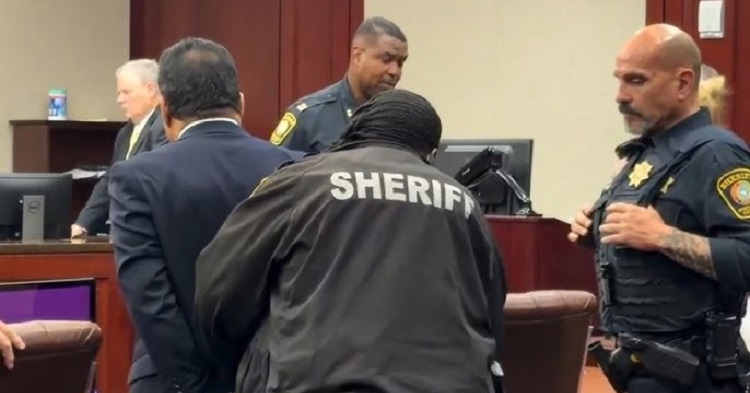
A dramatic courtroom moment in Texas has become a symbol of public accountability after suspended Fort Bend County Judge KP George was taken into custody following his conviction in a campaign finance-related money laundering case.
George, once one of Fort Bend County’s most prominent elected officials, was found guilty on March 20, 2026, on two counts of third-degree felony money laundering. The case centered on allegations that campaign funds were moved through personal accounts, with prosecutors arguing that the transfers crossed the line from political bookkeeping into criminal conduct.
On June 16, 2026, George was sentenced to 180 days in the Fort Bend County Jail, five years of probation, 200 hours of community service, and appeal bonds totaling $50,000. The sentence marked a stunning collapse for a public official who had remained defiant throughout the case.
The video that spread across social media showed George being led from the courtroom in handcuffs, a moment that quickly drew strong reaction from voters frustrated by scandals involving elected officials. For many observers, the footage was more than just a legal development—it was a reminder that public office is not a shield from accountability.
George has maintained his innocence, arguing that the money at issue involved lawful campaign loans and repayments. His defense team said the transactions were not theft, while prosecutors argued that the movement of funds concealed improper use of campaign money. In the end, the jury sided with the prosecution.
The case also carried a political twist. George had previously been elected as a Democrat before later switching to the Republican Party while facing legal pressure. He claimed the charges were politically motivated, but prosecutors rejected that argument and described the investigation as legitimate and thorough.
Local frustration grew as George resisted calls to step aside during the legal process. Officials warned that his continued presence in county government created operational problems and damaged public trust. After the conviction, the pressure only intensified.
The broader message is difficult to ignore: Americans are tired of watching powerful people play by a different set of rules. Whether the office is local, state, or federal, voters expect transparency from those who handle public money and campaign donations.
George’s case now stands as a warning to elected officials across the country. Campaign funds are not personal bank accounts, and public service is not a private business opportunity. When leaders blur that line, the consequences can be severe.
For Fort Bend County, the case is about more than one man’s downfall. It is about whether government can still earn the trust of the people it serves. And in a time when confidence in institutions is already fragile, accountability is not optional—it is essential.