Found at thrift store… what is it?
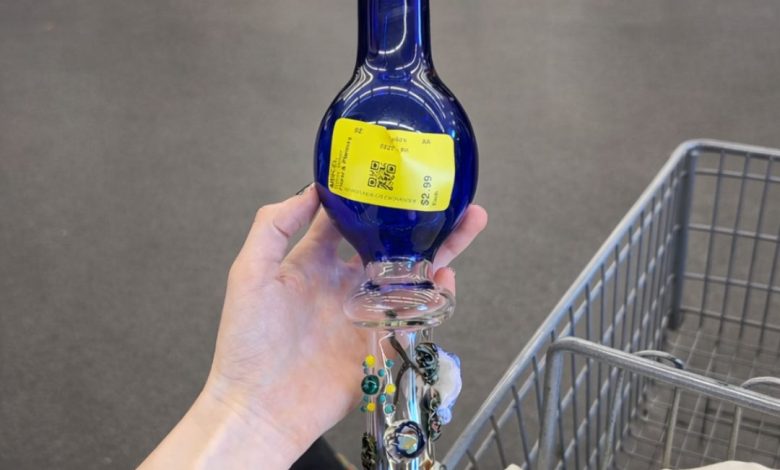
The object in the photos is a hand-blown glass hummingbird feeder. The correct name is hummingbird feeder. In decorative versions like these, the glass body serves as the nectar reservoir, while the lower feeding section lets hummingbirds sip the liquid. In the store photo, the blue glass piece appears to be the main reservoir or upper section of that style of feeder.
When did it first appear? The modern glass hummingbird feeder can be traced back to an early blown-glass design from the 1930s, and the first commercially produced glass hummingbird feeder was sold in 1950 as the Webster Feeder by the Audubon Novelty Company in Medina, New York.
What is it used for? A hummingbird feeder is made to hold nectar for hummingbirds, usually a simple mix of 1 part white sugar to 4 parts water. According to Audubon, feeders provide a supplemental food source, especially when flowers are limited and during periods such as nesting season and migration.

These feeders are popular because they are both useful and beautiful. Many are made with bright details, especially red accents, because hummingbirds are strongly attracted to bright colors. Hand-blown glass feeders are especially valued because each one can look like a small piece of garden art while still serving a practical purpose.
Important care note: A hummingbird feeder must be kept clean. Audubon recommends replacing the nectar and cleaning the feeder every two to three days, and even more often in hot weather. Red dye should not be added to the nectar.
In simple terms, this item is a decorative glass feeder made to help attract and feed hummingbirds in a backyard or garden. Its roots go back nearly a century, and it remains one of the most recognizable tools for people who enjoy watching hummingbirds up close.