Found this at a garage sale. what is it?
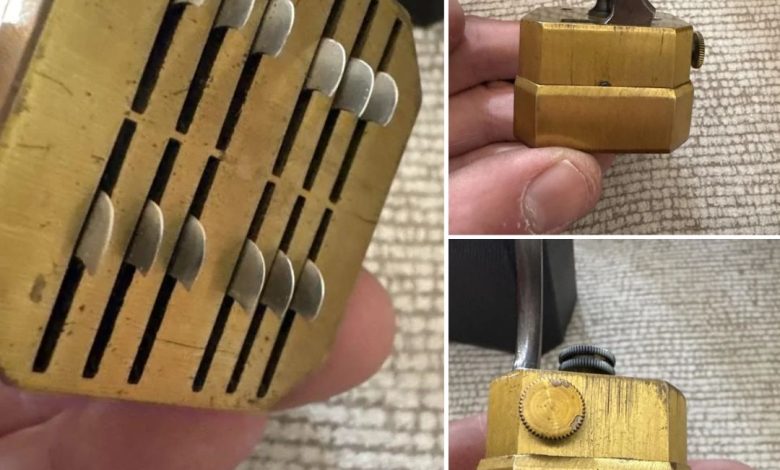
Garage sales are full of surprises. One table might hold an old lamp, another a box of rusty tools, and sometimes, tucked between ordinary household items, there is something far more unsettling. That was the case with an unusual brass device that at first looked elegant, mechanical, and expensive. But its true purpose made it impossible to forget: it was an antique scarificator, a medical instrument once used for bloodletting.
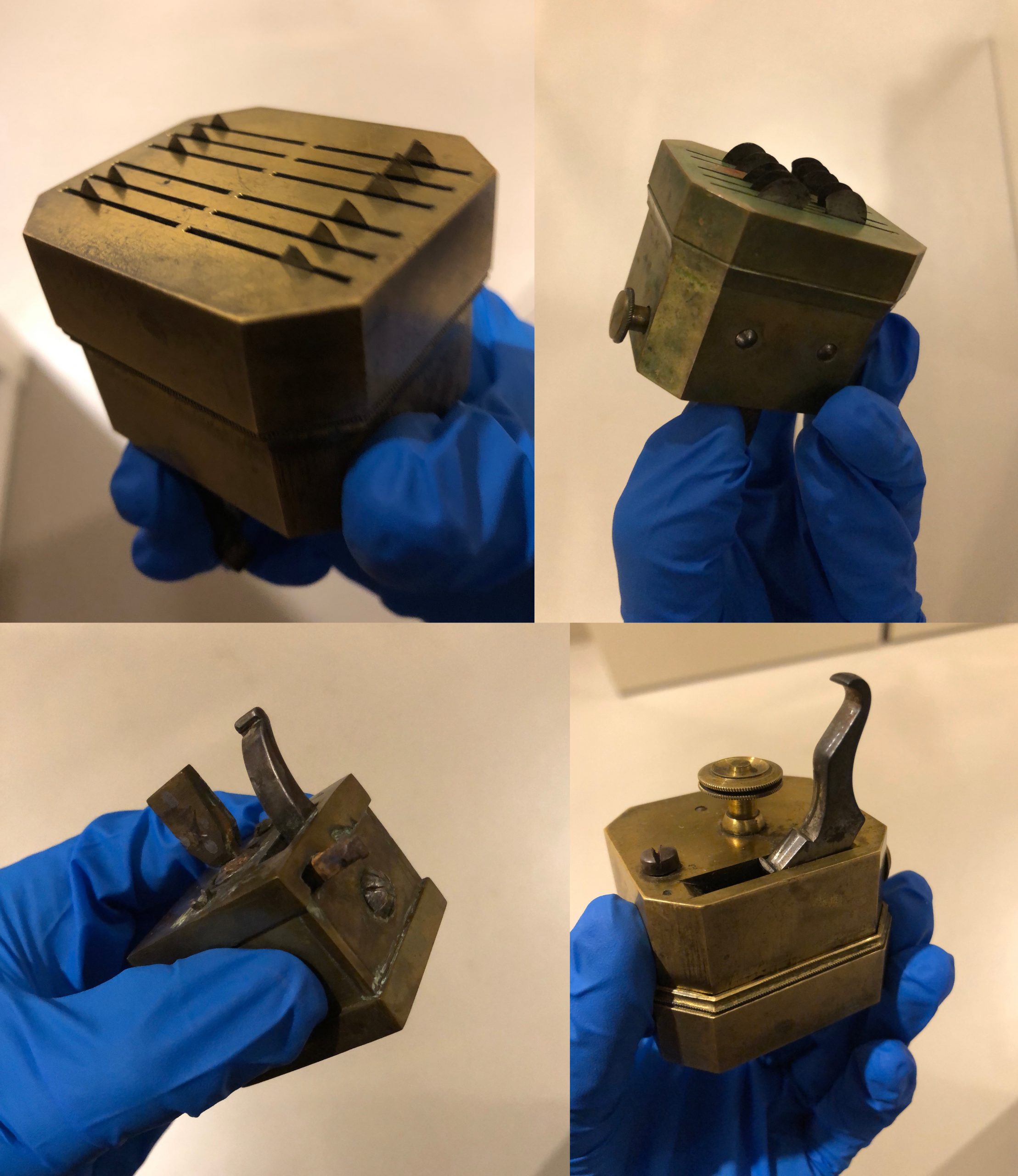
At a glance, the object did not seem random. It had a brass body, a lever, adjustable knobs, and rows of tiny exposed blades, all arranged with remarkable precision. Its careful design suggested it had been built for one very specific job. And that instinct was right. The scarificator was created to make multiple small cuts in a patient’s skin at the same time, allowing doctors to draw blood quickly during treatment.
Scarificators were commonly used in the 18th and 19th centuries, when bloodletting was still considered a standard medical practice. At the time, many physicians believed illness could be treated by removing what they thought was “bad” blood from the body. Today, that belief sounds disturbing and outdated. But for generations, it was accepted medicine, and instruments like the scarificator were ordinary tools carried in doctors’ medical bags.
The way the device worked is part of what makes it so unsettling. Inside the brass casing were spring-loaded blades. A physician would place the instrument against the skin and activate it with the lever, causing the blades to snap outward and back again in a rapid motion. The result was a series of shallow cuts made almost instantly. Some models even included adjustable controls to change blade depth, showing just how specialized and refined these instruments had become.
What makes the antique scarificator especially striking is the contrast between its appearance and its function. It is small, polished, and almost beautiful in its craftsmanship, yet it was designed for a painful and invasive procedure. That tension gives the object a strange power. It looks like a fine mechanical collectible, but once its history is understood, it becomes something much darker.

That is also why it stands out so strongly as a historical artifact. People may be drawn to it because of its brass finish and intricate construction, but their reaction changes quickly once they learn what it was used for. In that moment, it becomes more than an antique. It becomes a reminder of how medicine has changed—and of how treatments once viewed as reasonable can later seem brutal, even barbaric.
In the end, the antique scarificator is not memorable simply because it is rare or strange. It lingers in the mind because it represents a collision of craftsmanship, medical history, and human discomfort. It is a powerful example of how an object can be both fascinating and deeply disturbing at the same time. And sometimes, that is exactly what makes a garage sale find unforgettable.