From Ancient Tombs to Modern Cemeteries: The Story of Headstones
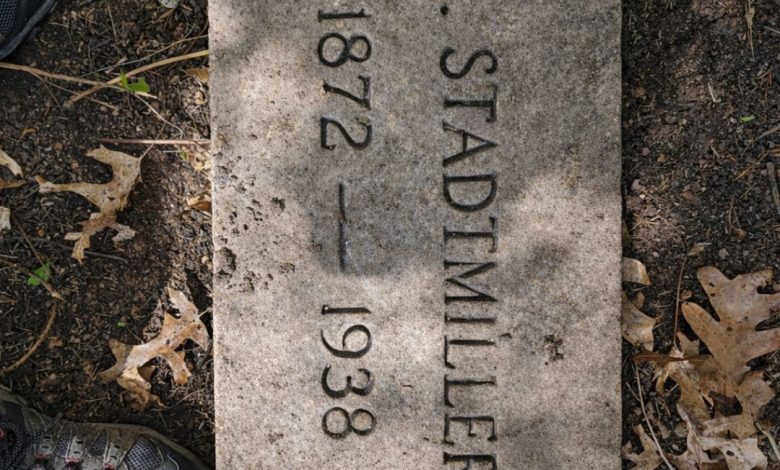
Headstones—also known as gravestones or tombstones—are markers placed on graves to identify the resting place of the deceased. They can differ widely in shape, size, materials, and inscriptions, often influenced by culture, religion, and historical period. Beyond their practical purpose, headstones are also part of cultural heritage, helping communities preserve memory and honor those who have passed away.
History and Origins
The use of headstones dates back to ancient civilizations, where grave markers carried both symbolic and historical meaning.
- Ancient Egypt: Gravestones and tomb inscriptions often used hieroglyphics to record the life, status, and achievements of the deceased, especially in royal burials.
- Ancient Greece: Gravestones frequently included artistic engravings, sometimes showing daily life or mythological figures, reflecting beliefs and social identity.
Styles and Designs Across Cultures
Headstone styles often reflect religious tradition, local customs, and artistic heritage.
- In Islamic cultures
- Typically simple in design
- Often inscribed with verses from the Quran or messages of prayer, mercy, and remembrance
- In Christian cultures
- Common symbols include crosses and angels
- May feature detailed decoration and religious imagery
- In Eastern cultures
- Frequently include artistic engravings
- May depict nature scenes or elements of daily life
Cultural and Social Importance
Headstones play a major role in how societies remember individuals and understand their past. They support communities by:
- Documenting History
- Provide key facts such as name, date of birth, and date of death
- Useful for genealogical research and broader historical documentation
- Reflecting Religious and Social Values
- The inscriptions, symbols, and design choices often reveal the beliefs and values of the time and place
- Honoring the Deceased
- Serve as a lasting public marker of respect
- Help ensure a person’s memory is preserved for future generations
Challenges and Preservation
Despite their importance, headstones can be vulnerable to time and environment.
- Erosion and Damage
- Weather exposure can wear down stone surfaces
- Over time, this may cause inscriptions to fade or disappear
- Neglect
- Older cemeteries may lack resources or caretaking
- Some markers are left unmaintained, accelerating deterioration
To protect these historical records, many groups work on preservation and restoration, helping maintain collective memory and strengthen public understanding of history and culture.
Conclusion
Headstones are more than grave markers. They are historical documents, cultural artifacts, and symbols of remembrance. Preserving them protects not only individual stories, but also the shared heritage of communities across generations.