From Fear to Advocacy: A Mom Shares Life With a Child With Treacher Collins

A Pregnancy Filled With Hope
In early 2018, Eliza Bahneman learned she was expecting a baby. Like many parents-to-be, she and her husband, Erik, were thrilled and focused on the joyful moments ahead. Eliza felt especially supported because several people close to her—her sister, sister-in-law, and friends—were pregnant at the same time, making the experience feel shared and comforting.

An Early Arrival and an Unexpected Silence
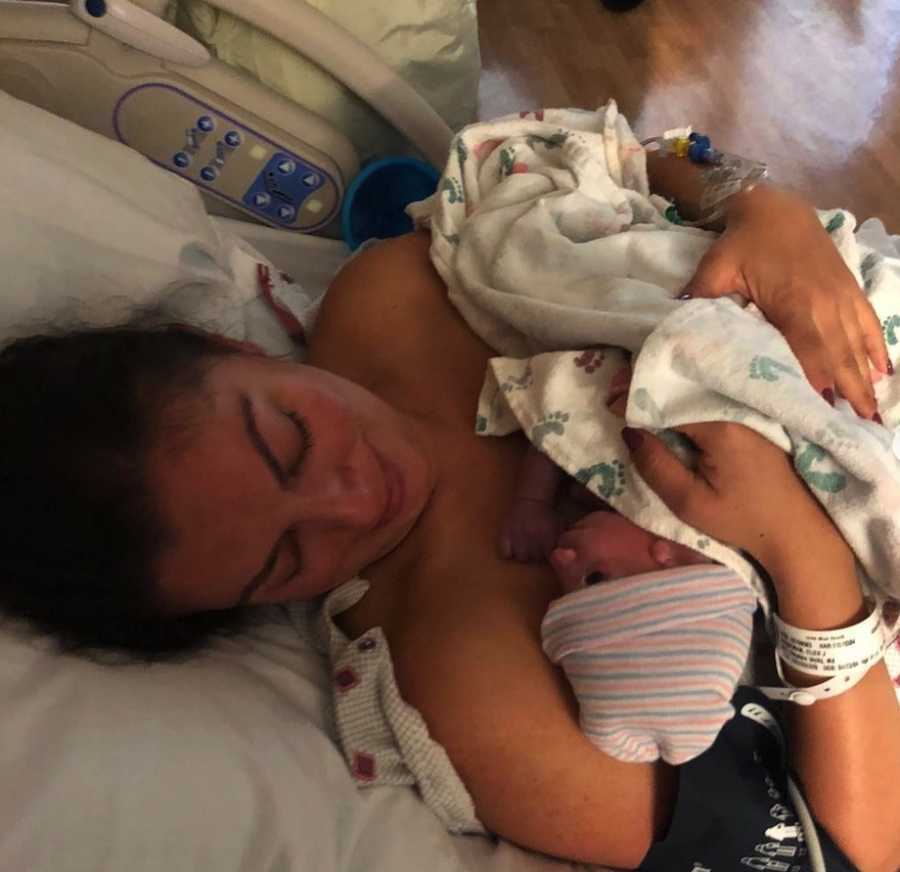
Eliza’s pregnancy seemed normal, but she had a strong feeling her baby would arrive early. In her eighth month, her water broke, and she was rushed to the hospital.
After giving birth, she noticed one small detail—her newborn’s ear looked folded—but assumed it was simply part of how babies can look right after delivery.
Then came the moment that changed everything: no one congratulated her.
Instead of celebration, there was a quiet tension, confusion, and fear. Her baby—Bella—was quickly taken for evaluation, leaving Eliza and Erik overwhelmed by questions.
Eight Weeks in the NICU
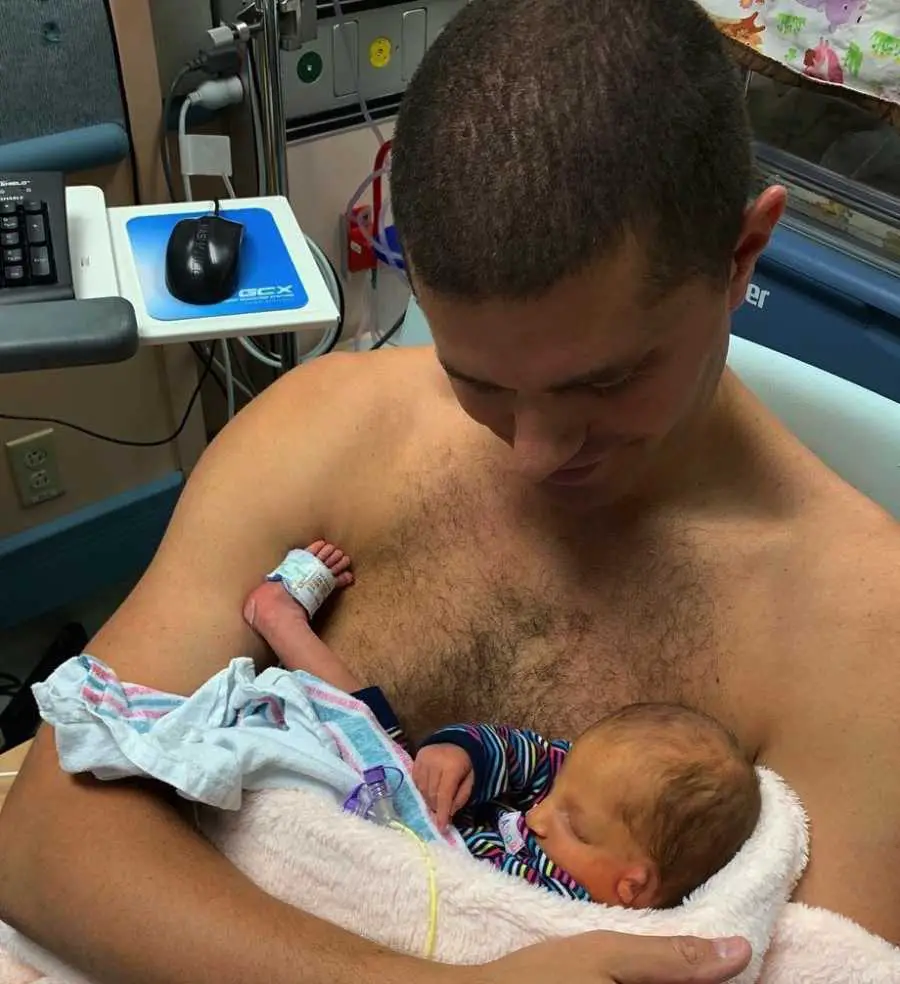
Bella’s first home wasn’t a nursery. It was the Neonatal Intensive Care Unit (NICU), where she spent 8 weeks undergoing tests and assessments. For parents, the NICU can be emotionally intense—days filled with new information, medical decisions, and uncertainty.
Diagnosis: Treacher Collins Syndrome
About a week into Bella’s NICU stay, doctors diagnosed her with Treacher Collins Syndrome, a condition that affects the development of facial bones. For Eliza and Erik, it was unfamiliar territory.
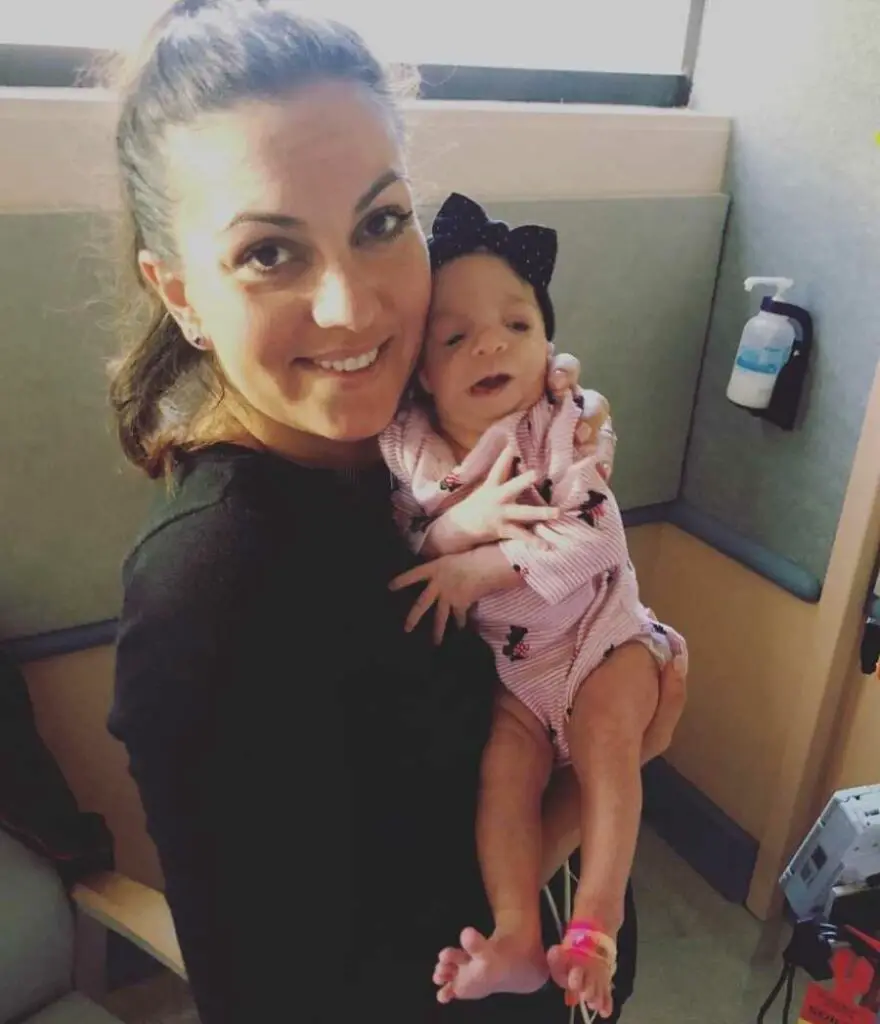
Treacher Collins Syndrome can involve:
- Differences in facial bone development
- Microtia (underdeveloped outer ear)
- Hearing loss
- A recessed jaw
- A smaller airway
- Cleft palate
Eliza and Erik had never heard of it before—and like many families receiving a rare diagnosis, they faced a steep learning curve alongside waves of worry and self-doubt.

A Transfer to a Children’s Hospital
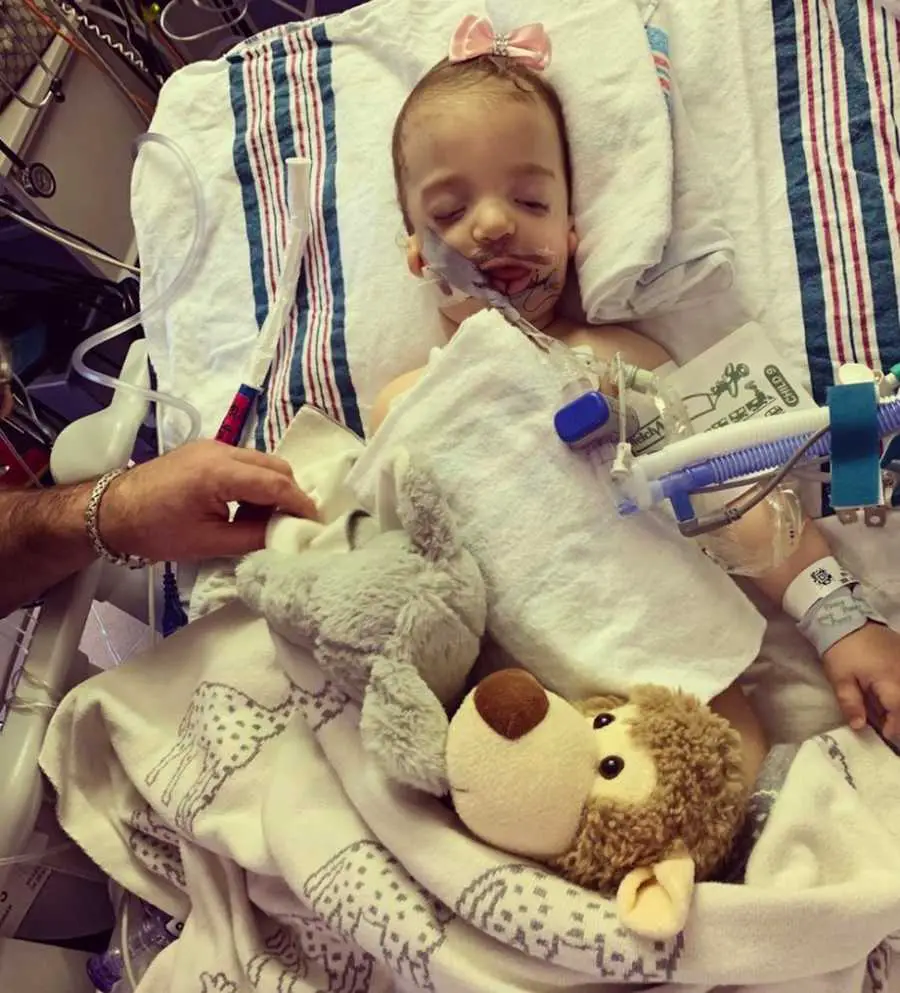
Two days after Bella’s birth, she was transferred to UCSF Benioff Children’s Hospital in Oakland, where her care continued. Surrounded by monitors and wires, Bella looked tiny and fragile—but she wasn’t alone. Her parents stayed close, determined to give her stability, love, and comfort.
Early Surgery and Learning to Provide Specialized Care
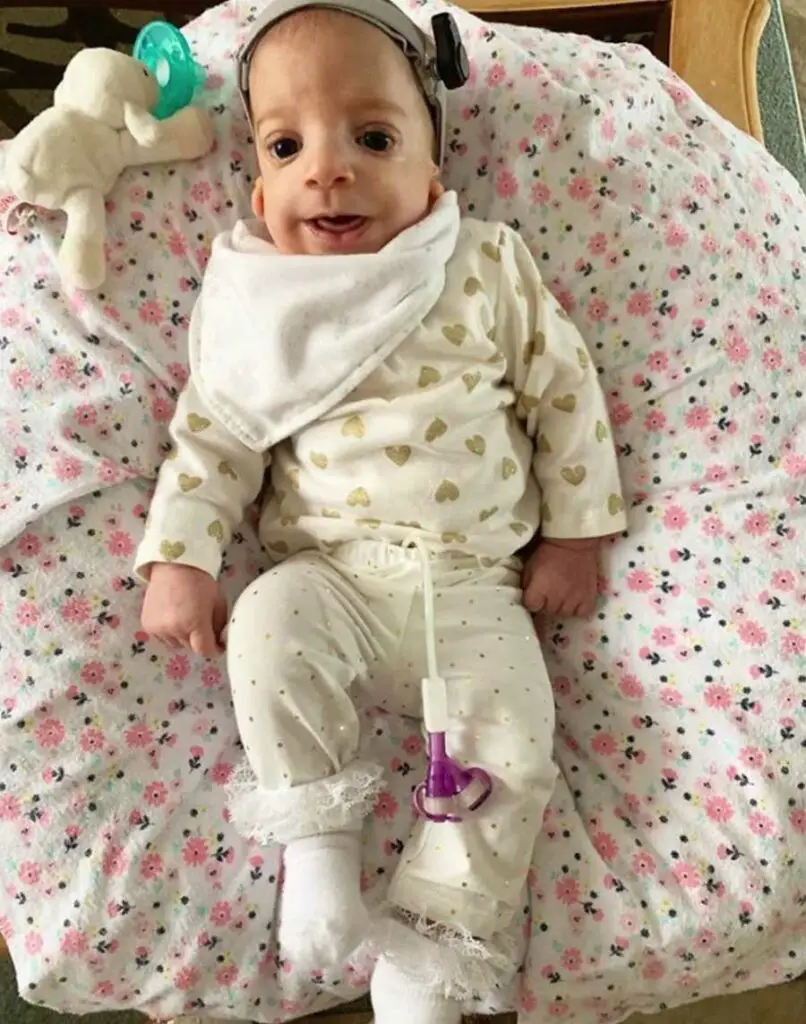
Because of medical needs linked to her condition, Bella had her first surgery very early to receive a g-tube to help with feeding support.
Over time, Eliza and Erik were trained to care for Bella’s needs at home—often taking on roles beyond parenting.
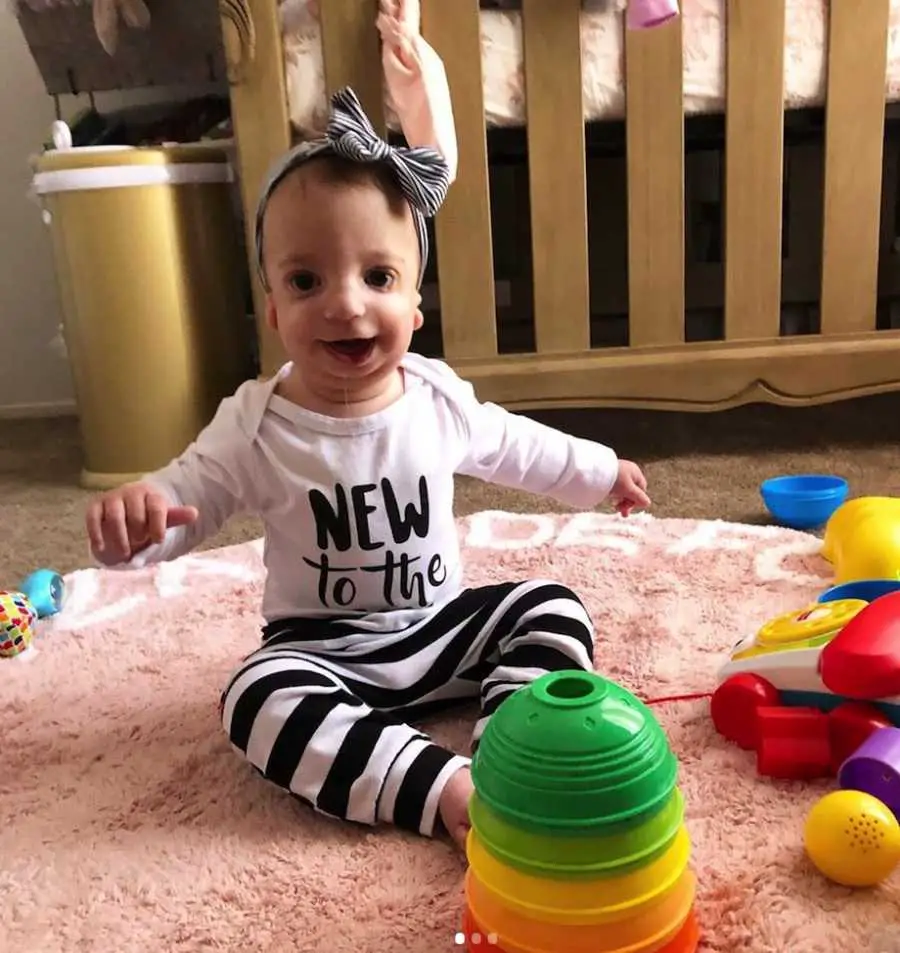
What life looked like after the hospital:
- Ongoing medical routines and monitoring
- Parents functioning as caregivers and at-home nurses
- Occasional urgent situations that required quick action
- A growing confidence built through NICU training and experience
Therapy, Growth, and Determination
By 16 months, Bella had already faced major procedures and was participating in multiple supports designed to help her develop and thrive.
Bella’s early supports included:
- Occupational therapy
- Speech therapy
- A specialized music class for children with hearing loss
Her progress reflected something her family saw every day: resilience from the very beginning.

From Private Pain to Public Advocacy
Eliza made a powerful decision: she wanted Bella to be celebrated, not hidden. She began sharing their story to help others understand Treacher Collins Syndrome and to normalize visible differences with empathy rather than discomfort.
Eliza’s message focuses on:
- Raising awareness about Treacher Collins Syndrome
- Encouraging people to ask questions respectfully
- Choosing kindness when meeting someone who looks different
- Reminding others that every child deserves to be seen, valued, and included

A Simple Takeaway With Big Impact
Life can change instantly—sometimes in ways no parent expects. Bella’s story highlights what many families quietly live through: the shock of a diagnosis, the intensity of early medical care, and the steady transformation from fear into strength.
Most of all, it offers a clear reminder: kindness costs nothing, and it can mean everything.