Mystery Solved: The Padded Satin Hanger Topper With Ribbon Ties
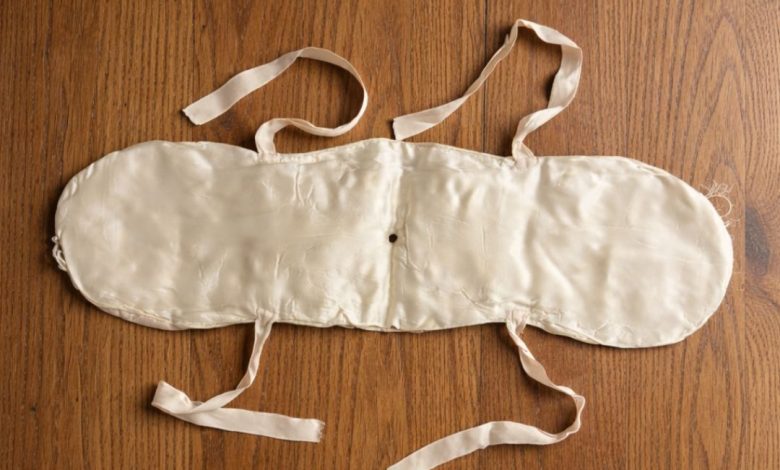
At first glance, a padded satin piece with multiple ribbon ties and a center hole can look like a handmade case for a beauty tool. But the most likely explanation is far more “closet practical” than “vanity table.”
This item is best described as a padded satin hanger topper (or hanger shoulder cover)—a fabric-and-padding accessory designed to sit on the “shoulders” of a hanger, with the hole accommodating the hanger’s hook/neck, and the ties securing it in place.
Why It Exists: The Problem It Solves
Regular hangers—especially wire, thin plastic, or unfinished wood—create common wardrobe issues:
- Slipping: Satin, silk, lingerie, and lightweight straps can slide right off.
- Creasing and shoulder dents: Narrow hangers can leave bumps/marks on knitwear, blouses, and delicate fabrics.
- Abrasion and snag risk: Rough edges or hardware can catch fragile textiles.
- Dust/handling protection (in some designs): Wider shoulder coverage reduces contact and surface wear.
Retailers still sell padded satin hangers specifically marketed for delicates and nightwear, which aligns directly with the same “soft, non-slip, garment-friendly” goal your item supports.
How the Design Works (Hole + Ties = Hanger Attachment)
Most hanger toppers/shoulder covers share three functional parts:
- The center hole
- This typically fits around the hanger’s hook base/neck so the pad can sit symmetrically across the hanger.
- The padded satin body
- Padding creates a wider shoulder surface, helping garments keep their shape.
- Satin (or similar smooth fabric) is used because it’s gentle on delicate textiles.
- Ribbon ties
- Ties are a simple, adjustable way to anchor the pad to the hanger arms, preventing it from shifting.
- This is especially common on handmade or vintage closet accessories, where ties replace snaps/clips.
A closely related vintage item is sold as a quilted satin shoulder cover that secures onto a hanger and is described as protecting garments (such as dresses/gowns) from dust and handling—the same overall function, just a different fastening method (snaps instead of ties).
Where You’d Typically See These
These hanger accessories show up most often in wardrobes that store garments needing extra care:
- Lingerie and slips (thin straps, slippery fabrics)
- Nightwear (lightweight, often satin/silk blends)
- Wedding dresses, bridalwear, prom dresses (high-value items stored carefully)
- Vintage clothing storage (older fabrics can be more fragile; owners tend to use protective hang solutions)
- Boutiques and costume departments (presentation + fabric protection)
Quick “Yes/No” Checklist: Is It a Hanger Topper?
Use this fast identification test:
- Does the hole fit over the hook base/neck of a hanger? If yes, strong indicator.
- When laid across a hanger, does the length match “shoulder to shoulder”? If yes, strong indicator.
- Do the ribbons reach around the hanger arms and tie securely? If yes, that’s the intended anchoring method.
- Is the padding concentrated where garment shoulders sit? If yes, that’s the purpose.
If it passes 3–4 of these, it is almost certainly a hanger-related accessory.
How to Use It (Step-by-Step)
- Place the hanger on a flat surface.
- Slide the hole over the hanger’s hook/neck area so the pad sits centered.
- Smooth the pad across both hanger “shoulders.”
- Wrap each ribbon under/around the hanger arm and tie a secure bow or knot.
- Hang your garment:
- For straps: position straps over the padded areas so they “grip” better and don’t slip.
Care and Handling Tips
- Keep it dry and clean; many padded hangers and satin components are not intended for wet clothing (moisture can affect padding and fabric).
- Spot-clean gently if needed; avoid harsh scrubbing that can snag satin.
- If it’s vintage, test any cleaner on an inconspicuous area first.
Why It Might Look Handmade
Many versions are DIY or cottage-industry items because the construction is straightforward: a padded sleeve/body plus a method to tie or fasten. Craft tutorials for padded hangers frequently use fabric padding and ribbon finishing—which matches the “satin + ties” look you’re seeing.
Bottom Line
Most likely identification: a padded satin hanger topper/shoulder cover.
What it does: adds a soft, wider, satin-finished shoulder surface and uses ties to secure to a hanger, helping delicates, slips, lingerie, and special-occasion garments stay put and avoid shoulder marks.