How Your Sleep Position Affects Pain, Breathing, and Digestion
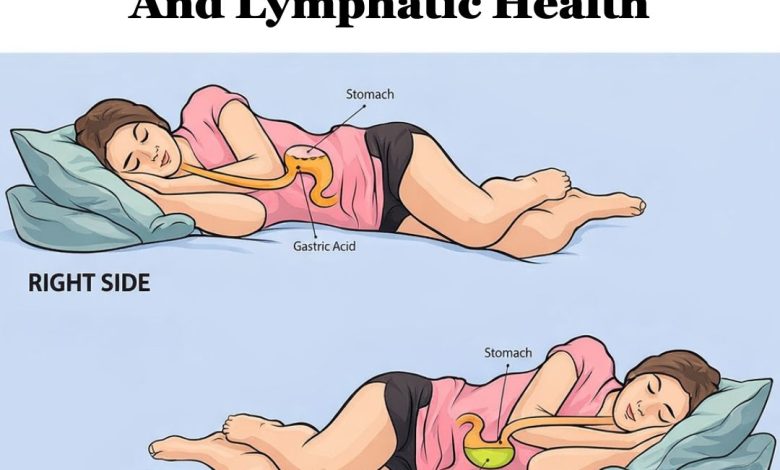
Many people naturally prefer sleeping on their side. What some don’t realize is that sleep position can affect your body, sometimes improving issues like back pain, snoring, digestion problems, and circulation, or sometimes making certain symptoms worse. While the best position is still the one that lets you sleep comfortably, anyone struggling with back discomfort, jaw tension, reflux, bloating, or poor sleep quality may benefit from adjusting how they sleep.
One position often recommended is sleeping on your left side.
Key Benefits of Sleeping on Your Left Side
1. Reduced Back Pain
Sleeping on your stomach can place extra strain on the spine, which may lead to aching or stiffness. Side sleeping helps keep the spine more naturally aligned and can reduce pressure on the lower back.
2. Less Snoring and Better Breathing
When you sleep on your back, the tongue and soft palate can fall backward, partially blocking the airway and increasing snoring. Side sleeping helps keep the airway more open, which may be especially helpful for people who deal with snoring or sleep apnea symptoms.
3. Better Digestion and Less Heartburn
Left-side sleeping may ease digestive discomfort such as bloating, constipation, and heartburn. Because the stomach sits more toward the left, lying on the left side can allow gravity to support digestion and reduce the chance of acid moving upward.
4. Possible Brain Health Support
During sleep, the brain clears out waste products. Research suggests that side sleeping may support the glymphatic system, which helps remove metabolic waste from the brain more efficiently. This has been linked (in animal research) to potential reductions in risk related to Alzheimer’s, Parkinson’s, and other brain conditions, though more human research is still needed.
5. Improved Blood Flow (Especially in Pregnancy)
Good circulation is important during pregnancy because blood needs to flow effectively to the placenta. That’s why expecting mothers are often encouraged to sleep on their left side.
How to Train Yourself to Sleep on Your Side
If you want to build the habit, these strategies can make it easier and more comfortable.
1. Choose a Supportive Pillow and Mattress
- Use a pillow that matches your body shape and supports your neck.
- A pillow should be firm enough to keep your neck supported, not collapsing.
- Many people do better with a mattress that prevents pressure buildup at the shoulders and hips while still supporting alignment.
2. Use Pillows as Supports and “Barriers”
- Put a pillow between your knees to support hips and reduce lower-back strain.
- Hug a pillow to rest your top arm comfortably.
- A body pillow can help you stay in position through the night.
- Some people use a simple trick: a tennis ball sewn onto the back of a shirt to discourage rolling onto the back.
3. Start on a Couch (Optional Training Method)
Couches are narrower, so they naturally limit rolling and can make side sleeping feel easier at first.
Disadvantages of Side Sleeping
Left-side sleeping can be helpful, but it isn’t perfect for everyone.
1. Shoulder and Hip Pain
If the mattress is too firm, pressure can build in the shoulders, hips, and knees. If the mattress is too soft, your spine may sink out of alignment, also causing discomfort.
2. Face Pressure and Jaw Discomfort
Side sleeping can increase pressure on the face, which may bother people with sinus congestion or glaucoma. It can also worsen a tight or stiff jaw for some individuals.
Other Sleep Positions: Benefits, Risks, and Tips
Your body may prefer another position—and that’s fine. The key is knowing what each position tends to help or worsen.
Sleeping on Your Back
Possible Benefits
This position may help with:
- Hip pain
- Knee pain
- Arthritis
- Fibromyalgia
- Sinus congestion
- Bursitis
Helpful Tips
- Place a pillow under your knees to support the spine and lower back.
- Spread arms and legs slightly to reduce pressure on joints.
- Use a pillow that supports the neck without forcing the chin toward the chest.
- If you have reflux, headaches, or sinus pressure, elevate your head with extra pillows or a wedge.
Sleeping on Your Stomach
Many sleep experts caution against stomach sleeping because it can strain the spine. A large portion of body weight sits near the center of the body, and this position can push the core into the mattress, increasing the risk of back and neck pain.
If You Can’t Stop Sleeping on Your Stomach
- Use a flat pillow or no pillow.
- Don’t tuck your arms under your head or pillow (this may cause numbness or shoulder pain).
- Turn your head to alternate sides to reduce neck strain.
- Avoid lifting one leg up to the side with a bent knee, which may worsen back issues.
A Practical Approach
If you’re curious about left-side sleeping, a simple strategy is to start the night on your left side, then let your body settle naturally as you sleep. Also remember: right-side sleeping can also have benefits, so don’t stress if changing your position feels difficult. The best sleep posture is one that supports both comfort and healthy alignment.