If You Notice This Insect In Your Home, You Should Go Immediately To…
A Pregnancy Scare That Ended With Relief
Elvira Rodríguez learned she was a carrier of Chagas disease while she was pregnant with her first child. Worried about passing the infection to her baby, she chose treatment aimed at preventing mother-to-child transmission. After her daughter was born, the newborn was tested and came back negative, bringing Elvira the outcome she had hoped for.
A Shocking Diagnosis After a Simple Blood Donation
In Mexico, Elvira Idalia Hernández Cuevas first heard the words “Chagas disease” when her 18-year-old son was diagnosed after donating blood. Until then, she had never even heard of Chagas. What followed was a frustrating search for care—finding doctors who understood the disease, how it spreads, and how to treat it properly.
What Chagas Is—and How “Kissing Bugs” Spread It
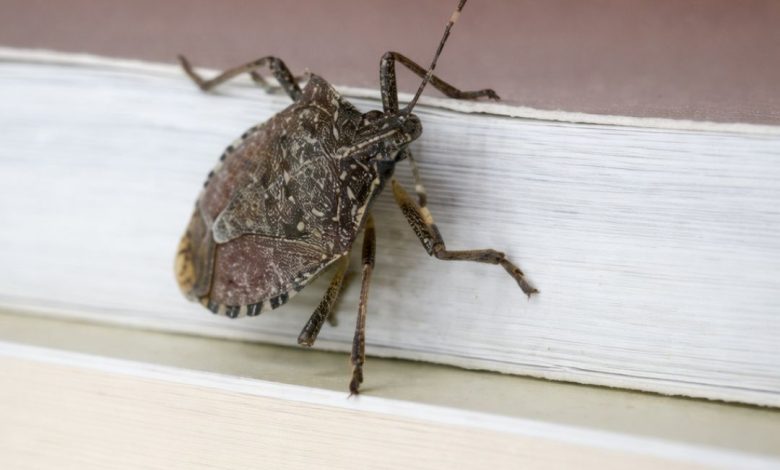
Chagas is caused by a parasite carried by triatomine insects, often called “kissing bugs.” The disease is common in Latin America, but it is also found in parts of North America, Europe, and Australia.
These insects can transmit the parasite through bites and feces. Infection can happen when contaminated feces are accidentally ingested, often when a person touches the bite area and then touches their mouth or food.
How Big the Problem Is
Chagas affects about 8 million people in Latin America and roughly 6–7 million people worldwide. If it is left untreated, it can lead to serious heart disease and gastrointestinal complications, and it is linked to around 12,000 deaths every year.
Although kissing bugs exist in the United States, Chagas is not widespread there compared with Latin America.
Why It’s So Hard to Get Diagnosed and Treated
Hernández and her daughter struggled to find medical professionals who truly recognized Chagas. In many cases, the disease is downplayed, and some doctors are not trained to identify it early or manage it long-term.
The World Health Organization labels Chagas a neglected tropical disease, a category that often means fewer resources, less awareness, and limited access to consistent prevention and treatment programs.
How Chagas Is Spreading Beyond Insect Bites
While insect transmission remains important, Chagas is increasingly spread through other routes, including:
- Blood transfusions
- Organ transplants
- Mother-to-child transmission (congenital Chagas)
These routes make early detection, screening, and prenatal care especially critical.
Treatment Exists—But It Comes With Limits
Two primary medications are used: benznidazole and nifurtimox. However:
- They are less effective in adults than in earlier stages of infection.
- They can cause serious side effects.
Rodríguez experienced severe reactions while being treated, but she continues to protect her health with annual check-ups and monitoring.
Turning Personal Struggle Into Public Advocacy
Hernández later became president of FINDECHAGAS, focusing on raising awareness, pushing for better medical training, and expanding resources and support systems for people living with Chagas. Her goal is to make sure fewer families face the same confusion, delays, and lack of guidance that she experienced.
Why These Stories Matter
Both women’s experiences highlight a key reality: Chagas disease can be preventable and manageable, but only when people can access knowledgeable care, timely testing, and appropriate treatment. For many families, awareness is the difference between silent risk and early intervention.