Left Brain vs. Right Brain Myth: The Balloon/Jellyfish Illusion Explained
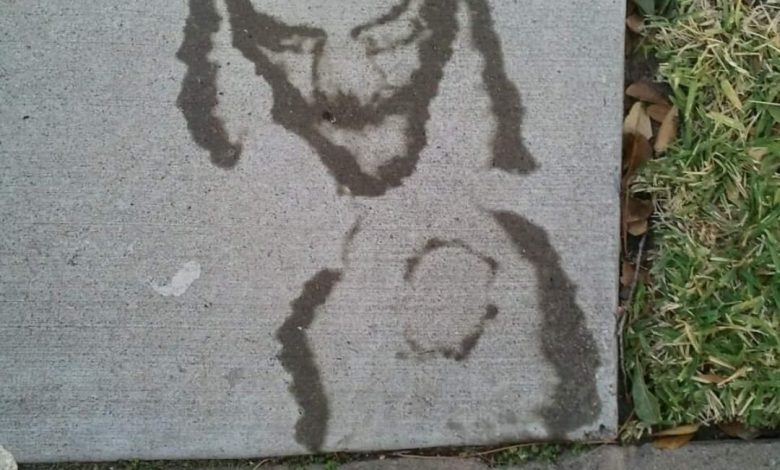
A popular claim online says: if you see a hot air balloon, you’re left-brained, and if you see a jellyfish, you’re right-brained. The question is simple: What do you see first?
This kind of image is often called an optical illusion or perception test—not because it can diagnose your brain, but because it can reveal how quickly your mind forms patterns from incomplete information.
The Viral Claim in One Sentence
- Hot air balloon = “left-brained” (logical, analytical)
- Jellyfish = “right-brained” (creative, intuitive)
What People Usually See in This Illusion
Depending on how you look at the shape, contrast, and edges, you might interpret it as:
- A hot air balloon (rounded “balloon” top with a trailing lower section)
- A jellyfish (dome-like head with tentacle-like shapes underneath)
Sometimes people can see both, especially after a few seconds.
Why Your Brain Can Flip Between Two Answers
Your vision system constantly tries to “solve” what it sees using:
- Contrast and shadows (dark vs. light areas)
- Edge detection (where outlines appear strongest)
- Pattern matching (comparing the shape to things you already know)
- Context (what you expect to see after reading the prompt)
That’s why a simple suggestion like “balloon or jellyfish” can strongly influence what you notice first.
Is the “Left-Brained vs. Right-Brained” Label Actually Accurate?
The short version: it’s an oversimplification. While the brain does have specialized regions, real thinking and creativity typically involve both hemispheres working together. So this illusion should be treated as:
- A fun conversation starter
- A quick perception game
- Not a medical, psychological, or intelligence test
A More Useful Way to Interpret What You Saw First
If you want a practical takeaway, focus on attention style, not “brain dominance”:
- If you saw the hot air balloon first, you may be noticing overall structure and big shapes quickly.
- If you saw the jellyfish first, you may be picking up organic forms and flowing contours quickly.
- If you saw both, you may switch easily between global shape and detail-based interpretation.
Try This (Quick Self-Check)
- Look at the image for 2 seconds and note your first answer.
- Look again for 10 seconds and see if your answer changes.
- Step back from the screen (or zoom out) and compare what becomes clearer.
- Ask a friend without telling them the options and see what they say first.
Bottom Line
This viral prompt—“balloon = left-brained, jellyfish = right-brained”—is best viewed as entertainment. What it reliably demonstrates is something simpler and more interesting: your brain is extremely good at building meaning from ambiguous shapes, and it can change its mind fast when given a new frame.