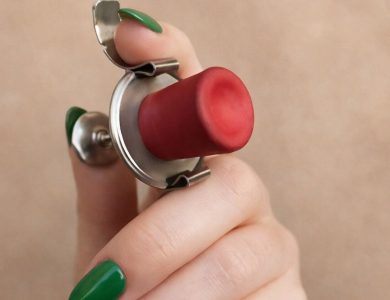
Even with extensive online searches, no one has been able to identify these. I’m puzzled as well, and it appears that ninety percent of others are too.
What It’s Called
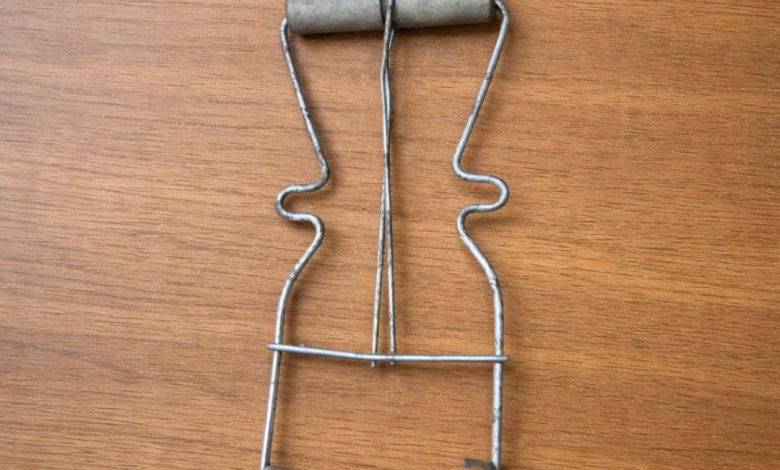
This tool is commonly described as a Vintage/Antique Canning Jar Lid Remover or Lid Lifter. In practice, it functioned primarily as a lid handler—a way to lift, hold, and move canning lids safely, especially when they were hot.
What You’re Seeing in the Photos
Key features visible in the images include:
- Wooden handle (top roller/grip): helps protect hands from heat and improves control.
- Wire frame body: a sturdy, springy structure that keeps its shape after repeated use.
- Central support wire: reinforces the frame and stabilizes whatever is being lifted.
- Lower circular ring/holder (shown in the second photo): designed to hold multiple flat lids together (often in a stack).
- Small hooked ends near the bottom: used to secure the ring/holder and, in some designs, to rest or hang the tool on the edge of a pot.
Main Purpose and Uses
This tool helped with the most common frustrations of traditional home canning—handling hot metal lids cleanly and safely.
Typical uses included:
- Lifting hot lids from simmering water (when lids were warmed/softened before use in older canning routines).
- Holding multiple lids at once so they wouldn’t scatter around the pot or counter.
- Reducing contamination risk by minimizing direct hand contact with lid surfaces.
- In some households, it was also used as a general jar-top helper, assisting with removing or managing lids during the canning workflow.
When It First Appeared (Time Period)
While exact dates vary by manufacturer, tools like this are strongly associated with the growth of home canning in the late 19th and early 20th centuries, and they became especially common in the early-to-mid 1900s when home food preservation was widespread.
Reasons this period fits the design:
- Simple formed-wire construction (economical, durable, mass-producible).
- Wooden handle (common before modern high-heat plastics and silicone grips became standard).
- Designed around the Mason-jar era, when home canning became a routine household practice.
What can be said confidently:
- The tool concept evolved alongside Mason-jar home canning, as households needed safer ways to handle hot lids and hardware.
- Many versions were made by canning-supply and housewares manufacturers, often unmarked, which is why a specific inventor is frequently unknown unless branding or patent markings are present.
How It Worked (Simple Explanation)
The design relies on mechanical stability and containment rather than complicated moving parts:
- Place lids into the circular holder (often stacked, as shown in the second image).
- Lower the holder into hot water (or lift it out) using the wooden handle.
- Keep lids together and controlled, letting excess water drip away.
- Remove lids as needed during the canning process while keeping the rest organized.
Why This Tool Was Useful in the Kitchen
- Safety: reduced risk of burns from steam and hot water.
- Speed: moved multiple lids at once instead of fishing them out individually.
- Clean handling: helped keep lids cleaner than repeated hand contact.
- Organization: prevented lids from floating away or piling up messily during a busy canning session.
How to Use One Today (If You Find One)
If you plan to use it (rather than display it), keep it practical and safe:
- Inspect first: check for rust flakes, sharp burrs, or loose wire joints.
- Wash thoroughly: hot soapy water, then rinse and dry fully.
- Use with caution around boiling water: grip firmly and lift slowly to avoid splashing.
- Avoid using it if the metal is deteriorating: old rust can shed particles.
Collector Notes (What Makes It “Vintage”)
Collectors and antique-kitchen enthusiasts value these because they reflect a time when:
- Tools were built from simple, repairable materials (wire and wood).
- Home canning was a seasonal household event, not a niche hobby.
- Specialized gadgets existed for very specific tasks—because families used them constantly.
Bottom Line
This Vintage Antique Canning Jar Lid Remover/Lifter with Wooden Handle is a classic home-canning accessory designed to handle hot jar lids efficiently, safely, and with better control. Its sturdy wire frame, heat-buffering wooden grip, and lid-holding ring make it a practical snapshot of everyday kitchen life from the peak era of traditional home preservation.