Mom found at a yard sale. The owners didn’t know what it was…
Introduction
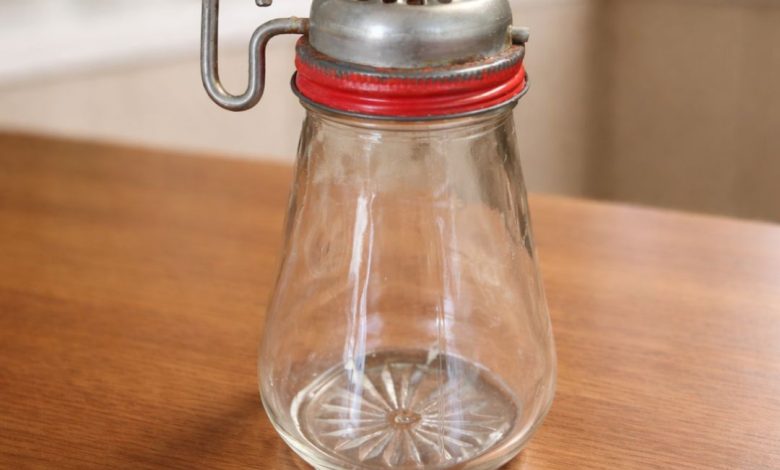
Mid-century American kitchens were full of clever hand tools designed to make home cooking faster and neater. One classic example is the hand-cranked nut grinder shown here: a compact metal grinder mounted on a clear glass collection jar, built to chop nuts quickly for baking and everyday recipes.
Name and What It Is
- Common name: Hand-Cranked Nut Grinder (also called a nut chopper in many households)
- Listed description: “Wonderful Vintage 1950’s Federal Housewares of Chicago Hand Cranked Nut Grinder”
- What it does: Uses a manual crank and an internal cutting mechanism to grind/chop nuts, dropping the pieces into the jar below.
Time Period: When It Came Into Use
- This example: Typically dated to the 1950s (a mid-century household gadget style).
- Broader history: Hand-cranked grinders became common in the early 1900s, but glass-jar, countertop kitchen gadgets were especially popular in the post-World War II era as home baking and convenient kitchen tools grew in demand.
Who Made It (Creator / Manufacturer)
- Brand/Company: Federal Housewares
- Location noted: Chicago (often listed as “Chicgo” in some labels or listings)
- How to understand “who created it”: For many household tools of this era, the “creator” is best credited as the company/brand that designed, produced, and sold the item rather than a single named inventor.
Purpose and Everyday Uses
This tool was designed for quick prep of nuts without electricity, making it useful for:
- Baking: chopped walnuts/pecans for cookies, cakes, brownies, and breads
- Toppings: sprinkling nuts onto desserts, oatmeal, yogurt, and ice cream
- Cooking: adding nuts to salads, casseroles, and savory sauces
- Portion control and storage: grinding directly into the jar, which helps contain mess and makes it easy to measure
How It Works (Simple Explanation)
- Nuts are placed into the metal grinder top.
- Turning the hand crank rotates the internal cutting surfaces.
- The nuts are chopped/grated and fall down into the glass jar.
- The jar serves as both a catch container and a short-term storage vessel.
Design Details Visible in the Photo
- Clear glass jar: lets you see the amount collected; easy to wash and reuse
- Flared jar shape: stable on a surface and easier to grip
- Decorative starburst base: a common mid-century glass detail
- Red ring/trim at the top: helps seat and secure the grinder assembly to the jar
- Metal grinder head: durable, with visible age-related wear consistent with vintage kitchen tools
- Side crank handle: compact, meant for one-hand turning while the other steadies the jar
Why This Tool Became Popular in the 1950s
- No electricity needed: reliable, quiet, and always ready
- Compact and affordable: ideal for everyday households
- Easy cleanup: glass jar + simple metal parts
- Perfect for home baking trends: nuts were a frequent ingredient in classic mid-century recipes