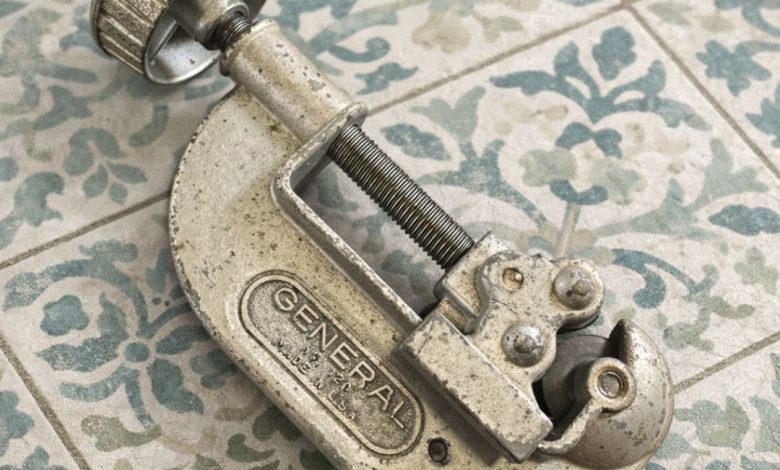
My sister wants to know what this aluminium object is. Such an unusual handle
Introduction
The vintage aluminum tubing pipe cutter is a classic hand tool that played a major role in plumbing and metalworking during the mid-20th century. Known for its simple mechanics and reliable performance, it became a staple for anyone who needed clean, accurate tube cuts—from professional tradespeople to home workshop hobbyists.
History: Why This Tool Became Essential
In the years after World War II, construction and manufacturing expanded rapidly. As homes, factories, and commercial buildings increased, the need for efficient plumbing and heating systems grew with them. That surge made dependable cutting tools a must-have.
What made this cutter stand out was its use of aluminum—a material prized for being:
- Lightweight, reducing fatigue during repeated use
- Durable, able to handle frequent jobsite wear
- Corrosion-resistant, especially helpful in plumbing environments
This combination helped the aluminum tubing cutter become a practical, everyday tool during the post-war industrial boom.
Usage: How the Vintage Pipe Cutter Works
The tool was designed to make cutting metal tubing controlled and precise, especially for copper, aluminum, and steel tubing. Its method focused on gradual pressure rather than brute force, helping prevent crushed tubing and uneven cuts.
Typical cutting process
- Position the pipe inside the cutter’s jaw/clamp.
- Tighten the adjustable clamp until the pipe is held firmly.
- Rotate the cutter around the pipe to score the surface evenly.
- Tighten the cutting wheel gradually after each rotation.
- Continue rotating and tightening until the pipe is cleanly severed.
This technique helps produce a smooth, burr-minimized cut, which is important because cleaner cuts support:
- Better-fitting connections
- More reliable seals
- Lower risk of leaks in assembled piping systems
Key Features That Defined the Tool
- Adjustable Clamp: Keeps tubing stable for accurate alignment and consistent cuts.
- Rotating Cutting Wheel: Applies pressure evenly for a clean, controlled sever.
- Lightweight Aluminum Body: Makes the tool easy to handle and resistant to corrosion.
Legacy: Why the Design Still Matters
Even with modern powered cutters and advanced equipment, the core design of the vintage tubing cutter has remained largely unchanged. That’s because it delivers three qualities that are still valuable today:
- Functionality: It does the job with minimal complexity.
- Durability: Many vintage cutters remain usable decades later.
- Simplicity: Few moving parts, easy maintenance, dependable results.
For collectors, these tools represent more than utility. They are tangible pieces of industrial history, reflecting a period when manual skill and craftsmanship were central to trade work.
Why Collectors and Craftspeople Still Want Them
Vintage aluminum pipe cutters are still appreciated because they offer:
- Proven long-term reliability
- Classic build quality
- Practical usefulness, even in modern workshops
- Historical value as a mid-century trade tool
Conclusion
The vintage aluminum tubing pipe cutter remains a strong symbol of mid-20th century ingenuity. Born from an era of rapid growth, it delivered a smart solution for cutting tubing with precision and consistency. Its influence continues today—not only in modern cutter designs, but also in the ongoing respect collectors and craftspeople have for tools built to last.