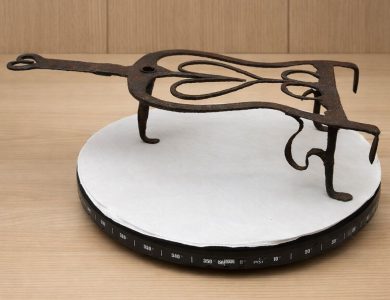
The whole web came together to determine the purpose of this tool.
A “Silent Revolution” in the Garage
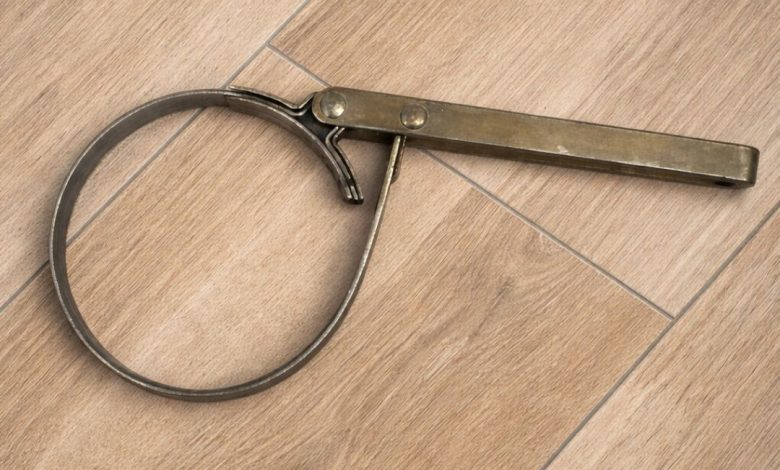
At first glance, an oil filter wrench looks like a minor accessory—just another tool on a crowded workbench. But it helped create a major shift in automotive maintenance by making one of the most frustrating tasks faster, safer, and more reliable: removing a tightly installed oil filter.
Why Early Oil Filters Were Such a Problem
In the early 20th century, car ownership was demonstrate status and luxury, but it also brought a new responsibility: regular engine maintenance. Oil filters mattered because they helped keep engine oil cleaner, which supported engine performance and longevity.
The issue was removal:
- Oil filters were often placed in hard-to-reach areas of the engine bay.
- They were screwed on tightly, sometimes becoming stuck from heat cycles and oil residue.
- Without a dedicated tool, removing them could be time-consuming and messy, and could even risk damage to surrounding parts.
The Need That Sparked the Invention
As more automobiles appeared on roads, mechanics and inventors faced a practical question: How do you remove an oil filter consistently without struggling every time?
That demand pushed toolmakers to apply simple mechanical principles—better grip, controlled leverage, and access in tight spaces—leading to the creation of the oil filter wrench.
What Made the Oil Filter Wrench Indispensable
Once it appeared, the oil filter wrench quickly proved its value because it delivered:
- Grip: Holds the filter body securely, even when slick with oil.
- Leverage: Helps break loose filters that are overtightened or stuck.
- Access: Works in cramped engine compartments where hands and standard tools struggle.
- Efficiency: Cuts down the time needed for routine oil changes.
- Reduced Hassle: Makes maintenance more consistent for both professional mechanics and hobbyists.
A Turning Point in Automotive Maintenance
The oil filter wrench may not be glamorous, but it became essential because it solved a real, repeated pain point in engine servicing. In many garages, it represents a practical truth of automotive history: small tools can create big improvements when they remove friction from everyday work.
Key Takeaways
- The oil filter wrench emerged when early car maintenance made filter removal a frequent problem.
- It became important because oil filters were tight, slippery, and often hard to reach.
- By improving grip + leverage + access, it helped turn oil changes into a smoother, more standard routine.