Should You Sleep With Socks On? Pros, Cons, and Best Tips
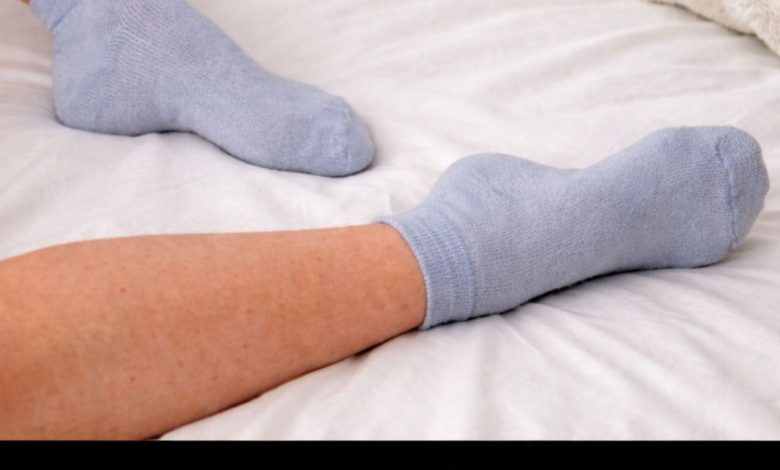
Sleeping with socks on sounds like a small habit, but it can noticeably change how your body prepares for sleep. For some people it’s a comfort ritual; for others it feels unbearable. The real question is: what actually happens when you wear socks to bed, and when is it a good idea?
What Happens to Your Body When You Sleep With Socks On
Your body needs to cool down slightly to fall asleep efficiently. Warm feet can help that process in a surprising way.
- Your feet warm up, and the blood vessels near the skin surface in your feet can widen (a process called vasodilation).
- This can help move heat away from your core and support the natural temperature drop your body needs to fall asleep.
- The result for many people is faster sleep onset and more stable sleep through the night.
Potential Benefits of Wearing Socks to Bed
1) You may fall asleep faster
If you often take a long time to drift off—especially when your feet feel cold—socks can help.
- Warm feet can signal “sleep mode” to your body.
- Some people notice less tossing and turning at the beginning of the night.
2) You may wake up less from feeling cold
Cold feet can cause micro-wakeups (brief awakenings you may not even remember).
- Socks can reduce temperature discomfort, especially in colder rooms or during winter.
- This can support longer uninterrupted sleep stretches.
3) Better comfort for people with poor circulation or cold sensitivity
Some people naturally have colder hands and feet.
- If you often feel cold even when others don’t, socks can provide steady warmth without overheating your whole body.
- This can be helpful if you prefer a cooler room but still want warm extremities.
4) Possible support for relaxation and bedtime routine
A consistent bedtime ritual can train your brain to associate certain cues with sleep.
- Putting on socks can become a calming routine cue, like brushing teeth or dimming lights.
- The routine itself can reduce stress and make bedtime feel more predictable.
Downsides and When Socks Can Make Sleep Worse
Socks aren’t a universal win. For some people, they backfire.
1) You might overheat
If you already sleep hot, adding socks can make you too warm.
- Overheating can cause restless sleep, sweating, or waking up.
- If you frequently kick blankets off at night, socks may reduce sleep quality.
2) Skin irritation and sweating
Tight socks or synthetic materials can trap heat and moisture.
- This can lead to itchiness, redness, or discomfort.
- Excess moisture can increase the chance of foot odor or skin issues.
3) Hygiene matters more than people think
Wearing the same socks all day and then sleeping in them is not ideal.
- Dirty socks can hold sweat, bacteria, and irritants.
- This may increase the risk of skin irritation and fungal problems.
Who Should Consider Sleeping With Socks On?
You may benefit most if you:
- Often struggle to fall asleep because you feel cold
- Wake up due to cold feet
- Prefer a cooler bedroom but want targeted warmth
- Have cold sensitivity or mild circulation issues (without serious symptoms)
Who Should Avoid It or Be Cautious?
Consider skipping socks if you:
- Tend to overheat at night
- Get sweaty feet or frequent irritation
- Have skin conditions that flare with warmth and moisture
- Have foot pain, swelling, or numbness that should be evaluated
If you have persistent numbness, tingling, color changes, wounds that heal slowly, or significant swelling, it’s smart to tell a trusted adult and consider a medical check—those signs are not something socks should “fix.”
How to Do It the Smart Way
If you want the benefits without the drawbacks:
- Use clean socks only
- Ideally, put on a fresh pair at bedtime.
- Choose breathable fabric
- Cotton or wool blends often breathe better than fully synthetic socks.
- Avoid tight elastic
- Socks should feel loose and comfortable, not restrictive.
- Try “temperature tuning”
- If you overheat, try:
- thinner socks
- only wearing one sock as a test
- or warming feet before bed (blanket or warm floor) and then removing socks
- If you overheat, try:
Bottom Line
Sleeping with socks on can be a simple hack that helps many people sleep better because warm feet can support your body’s natural sleep-temperature shift. But if it makes you sweaty, itchy, or overheated, it can do the opposite. The best approach is to test it for a few nights using clean, breathable, non-tight socks and see how your sleep responds.