The Price of Perfection: How Extreme Diet Culture Turns “Wellness” Dangerous
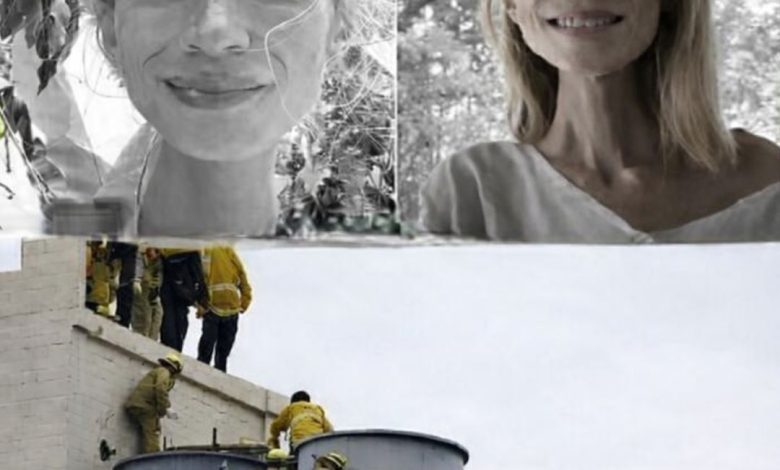
She started with a promise to herself: to feel stronger, lighter, and more alive. The goal sounded harmless, even admirable. Surrounded by glowing testimonials and “clean eating” inspiration, she followed a rigid plan she believed would bring her health. Instead, it pushed her body past its limits, and she never recovered.
1) The Beginning of a Beautiful Lie
At 27, she wasn’t trying to impress anyone. She wanted energy. She wanted control over how she felt. Online, the message was everywhere: eliminate more, restrict harder, and you’ll become your “best self.”
So she began swapping comfort for discipline.
Meals turned into math. Hunger became a challenge to “win.” Progress was measured in rules followed, not in strength gained. Friends praised her dedication, and she learned to smile through it. What no one could see at first was the quiet damage building underneath the routine.
What looked like commitment was slowly becoming a trap.
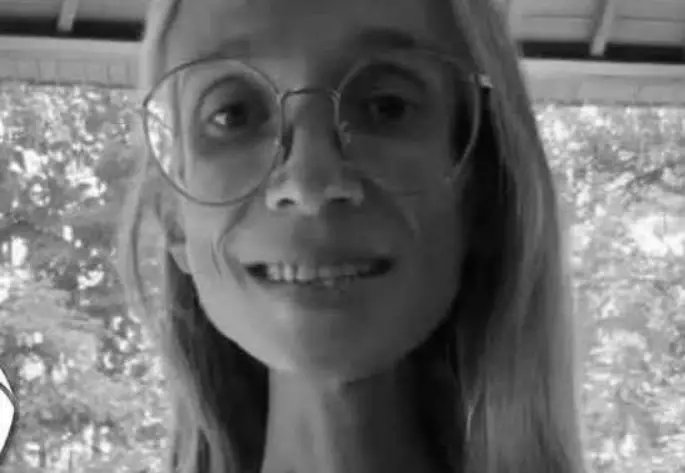
2) The Whispers Her Body Made
In the beginning, she felt a kind of lightness—almost a high. She told herself it meant the plan was working.
Then the warnings started.
- Shaking and weakness
- Constant exhaustion
- Pale, dull skin
- Feeling cold, dizzy, or faint
- A fading spark that no “green juice” could restore
But she explained it away with the language she’d absorbed online: “detox,” “reset,” “discipline.” Each symptom became proof of progress instead of a signal for help.
The people closest to her noticed. She didn’t see danger—only “not trying hard enough.”
3) When Control Turns Cruel
Eventually, even she couldn’t ignore it. Her reflection didn’t look like her anymore. Her body looked smaller, but also weaker—less alive.
She ended up in the hospital as doctors tried to reverse the consequences of prolonged deprivation. Her body had been starved of what it needed to function. The plan that promised health had emptied her reserves.
And despite medical efforts, she died.
Her story is devastating because it began like so many others: with hope, with motivation, with a belief that suffering is simply the price of improvement.
4) Aftermath and Awakening
News of what happened traveled fast. People reacted with shock, anger, grief, and a hard question many didn’t want to ask:
How did “wellness” become something you can die from?
Comment sections filled with arguments and sorrow. Professionals urged a return to balance, reminding the public that health is not a punishment.
One message stood out in the aftermath:
Health should never require you to suffer to prove you deserve it.
For her family, that lesson arrived too late.
💔 Epilogue: The Cost of Chasing “Wellness”
Her death is not just a tragedy—it is a warning about a culture that can confuse restriction with strength and control with care.
True wellness isn’t found in extremes. It’s built through nourishment, rest, consistency, and compassion—especially when you’re struggling.
If you or someone you care about is caught in rigid food rules or feels fear around eating, consider these safer steps:
- Talk to a trusted adult, doctor, or school counselor as soon as possible.
- Watch for red flags like dizziness, fainting, constant fatigue, or rapid changes in eating habits.
- Choose guidance from qualified professionals (registered dietitians, physicians), not influencer trends.
- Remember: a plan that harms your body is not a health plan.
She wanted to become her best self. Instead, she became a reminder that the pursuit of health should never cost a life.