Sleeping Back-to-Back: Is It a Sign of Distance or Comfort?
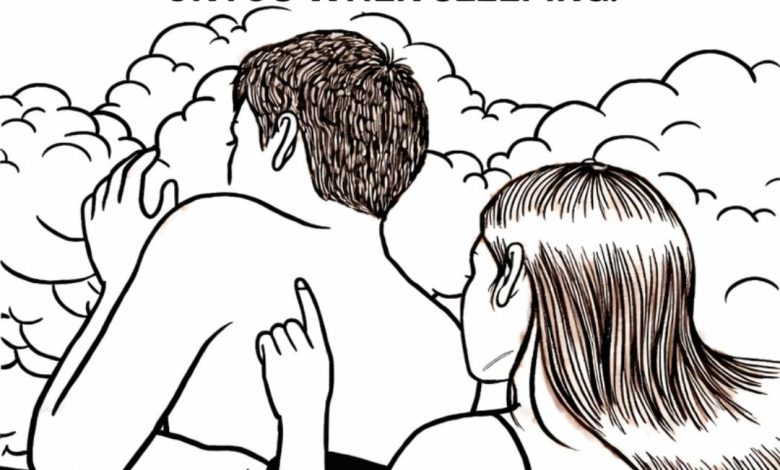
Sharing a bed is one of the most intimate everyday routines couples have. While sleep position isn’t a perfect “relationship test,” experts say it can offer clues about comfort needs, stress levels, and how two people balance closeness and independence. One position that often raises questions is when a partner sleeps facing away or the couple sleeps back-to-back.
Why Sleep Habits Can Feel So Meaningful
Sleep is a vulnerable state, so it’s natural to wonder if nighttime behavior reflects emotional connection. Specialists note that bed-sharing can come with real benefits, including:
- Stronger emotional connection from physical proximity
- Lower stress levels and a greater sense of safety
- Better temperature regulation (two bodies naturally adjust warmth in the same space)
- In some cases, improved sleep quality, even helping people who struggle with insomnia
At the same time, the way you sleep may be driven less by emotions and more by biology, comfort, and habit.
The Big Question: Is “Back to You” a Sign of Distance?
Not necessarily. The most important takeaway is this: turning away while sleeping doesn’t automatically mean emotional withdrawal. For many people, it’s simply the most comfortable way to fall asleep and stay asleep.
Common, Normal Reasons a Partner Turns Away
A partner sleeping with their back to you can be explained by practical factors such as:
- Comfort and posture: Some people relax faster facing one direction or with a certain spine/hip alignment.
- Need for personal space: Not everyone sleeps well when touched or crowded.
- Temperature preference: Turning away may help someone feel cooler and sleep more deeply.
- Light sleep sensitivity: People who wake easily might position themselves to avoid movement, breathing sounds, or heat.
In these situations, the position reflects sleep needs, not relationship problems.
What Experts Say About Back-to-Back Sleeping
Sleep specialists emphasize that everyone has an “ideal” sleep posture—a position the body naturally prefers for relaxation and rest. From that perspective, facing away can be a neutral habit rather than a message.
However, there is one nuance worth noting: a sudden change—especially if it coincides with tension, major life stress, or conflict—may be more meaningful than a long-standing habit.
When It Might Signal Something Deeper
Back-to-back sleeping can become more emotionally noticeable when it appears alongside other changes. Consider paying attention if you see multiple signs at the same time, such as:
- The position changed abruptly and stays consistent night after night
- Your partner seems more irritable, distant, or overwhelmed during the day
- There’s been a recent conflict that hasn’t been resolved
- Affection, communication, or quality time has dropped significantly
Even then, it still doesn’t prove the relationship is in trouble. It may indicate stress, burnout, anxiety, or a temporary shift in closeness—which can be addressed with communication.
The Positive Interpretation: Connection Plus Independence
Relationship psychologists often describe back-to-back sleeping as a sign of security rather than separation—especially when it’s a stable pattern. In that view, the position can suggest:
- Comfort with closeness: You share a bed without needing constant contact to feel connected.
- Healthy autonomy: Each person can rest in their own way while remaining emotionally “together.”
- Mutual trust: The relationship feels stable enough that reassurance isn’t required every moment.
This posture is sometimes labeled the “Liberty” position, and it’s frequently described as common among couples.
What Matters More Than the Position Itself
If you want a more accurate read on what sleep behavior means, focus on context. Ask yourself:
- How do we connect when we’re awake?
- Do we feel emotionally safe and respected?
- Is stress outside the relationship affecting sleep and mood?
- Do we still show affection in ways that work for both of us?
A couple can sleep back-to-back and still have a warm, supportive, deeply connected relationship. Likewise, couples who cuddle all night can still struggle if communication and trust are weak.
Practical Ways to Handle It Without Overthinking
If the situation bothers you, you can address it in a calm, non-accusatory way. The goal is to understand—not to “prove” something.
A simple, low-pressure approach
- Use “I” statements: “I’ve been feeling a bit disconnected lately and wanted to check in.”
- Ask about comfort: “Is this position just more comfortable for you?”
- Keep it curious, not confrontational: “Anything stressing you out lately?”
Small changes that can increase closeness—without sacrificing sleep
- Create a short “connection ritual” before sleep (5–10 minutes):
- A brief chat about the day
- A hug or hand-hold
- A quick gratitude share (“One good thing today was…”)
- Agree on a compromise: cuddle for a few minutes, then turn to sleep in whatever position works best.
- If temperature or movement is the issue, consider practical fixes:
- Lighter bedding
- Separate blankets
- More space on the mattress
Key Takeaways
- Sleeping with their back to you is often about comfort, space, or temperature—not rejection.
- A sudden change in sleep position may reflect stress or a shift in emotional closeness, especially if other relationship patterns also change.
- Back-to-back sleeping can also indicate security and healthy independence—closeness without needing constant contact.
- The most reliable signal isn’t the position itself; it’s the overall quality of communication, affection, and emotional safety during the day.
In the end, sleep should support your wellbeing. If a position helps one or both partners rest better, that can be good for the relationship too—because well-rested people usually connect more easily, communicate better, and handle stress with more patience.