Southwest’s Seating Policy Change Rekindles Debate Over Comfort, Cost, and Airline Space
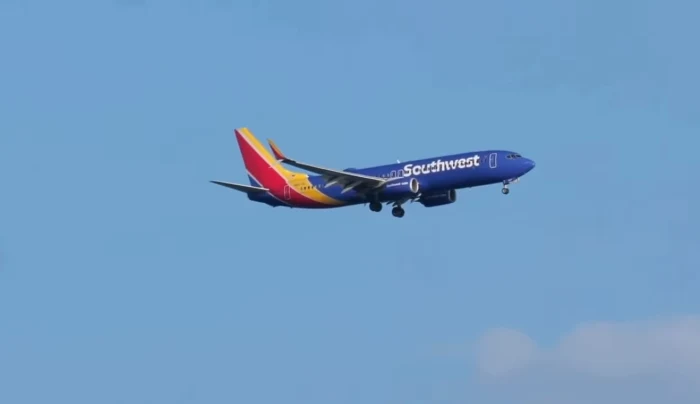
Southwest Airlines is fueling a national conversation about how cramped and costly commercial flying has become, after announcing a seating policy change that could raise travel expenses for some passengers—especially those who need more room than a single seat provides.
For many travelers, flying already feels like an endurance test. Narrow seats, tight legroom, and shrinking personal space have become common, particularly on airlines that emphasize efficiency. Southwest’s new rule highlights a growing tension in air travel: airlines keep optimizing for capacity, while passengers increasingly feel squeezed—physically and financially.
What Southwest Is Changing
Southwest will begin enforcing an updated approach aimed at passengers who cannot sit comfortably within one seat.
Key points include:
- Some passengers will be required to secure an additional seat in advance if they cannot sit fully within the armrests of a single seat.
- No specific weight limit or body measurement is being used. Instead, the standard is based on whether the passenger fits within the seat without encroaching on adjacent space.
- The policy’s reliance on a subjective determination is raising concerns about inconsistent enforcement and the potential for embarrassing interactions at the airport or gate.
When the Policy Takes Effect
Southwest plans to roll out the change on January 27, the same day it will introduce assigned seating—a major shift for an airline historically known for its open-seating model.
This pairing is significant because it changes how passengers plan their trip:
- With assigned seating, travelers may have less flexibility to find a comfortable spot on their own.
- The airline says it is proactively contacting customers who previously used its extra-seat accommodation to encourage them to purchase the second seat during booking.
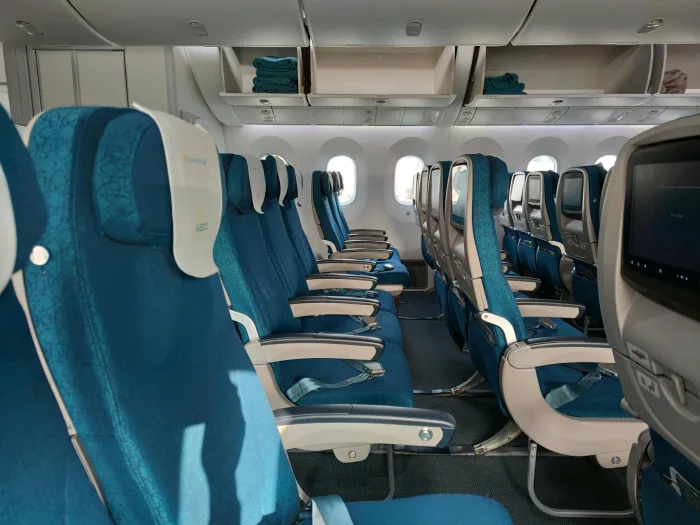
How the Extra-Seat Purchase and Refund May Work
Under the new system:
- Buy two seats in advance if you are likely to need the space.
- If the flight leaves with empty seats, a traveler who paid for the second seat may be eligible for a refund.
- Southwest will still offer complimentary extra seats at the airport, but only if space is available—which may be unlikely on full flights or peak travel days.
The risk for travelers is clear: waiting until the airport could mean no extra seat is available.
What Happens If Someone Doesn’t Buy the Extra Seat
Passengers who arrive without having purchased an additional seat—and are later determined to need one—could face disruptive outcomes, such as:
- Delays during check-in or boarding
- Being rebooked on a later flight where two adjacent seats are available
- Potential missed connections and schedule disruptions, especially during busy travel periods
In practical terms, this means the policy could create a high-stakes decision at booking: pay now and possibly get refunded later, or take a chance and risk being bumped to another flight.
Why Critics Say the Policy Is Problematic
The update has drawn criticism from both advocates and frequent flyers, who argue the policy:
- Places the burden on the passenger rather than addressing shrinking seat dimensions
- Could lead to uneven enforcement because the standard is based on judgment calls
- May create stress and stigma, especially if the issue is raised publicly at the gate
- Could increase the likelihood of onboard tension when flights are full
Travel agent Jason Vaughn, who runs the website Fat Tested Travel, warned that the change may lead to confusion and conflict at check-in. He also suggested some travelers may “roll the dice” by skipping the second seat purchase, hoping the seat next to them remains empty—an approach that can backfire when cabins are packed.
The Bigger Issue: Comfort vs. Revenue
The controversy is not just about one airline policy. It reflects a broader trend in the industry:
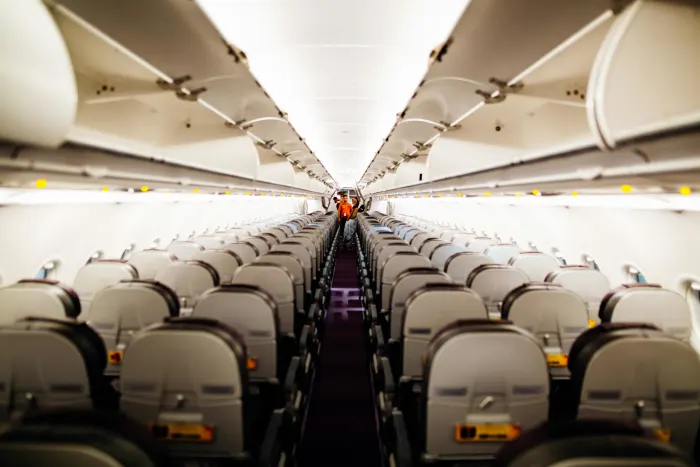
- Airlines continue experimenting with denser seating layouts and new cabin configurations to increase revenue.
- Passengers increasingly question whether the “affordable airfare” trade-off is worth it when comfort and space keep shrinking.
For Southwest, the challenge will be maintaining operational efficiency while protecting customer trust. The airline says the policy is intended to ensure adequate space and smoother boarding, but critics argue it does little to solve the root issue: seats that many travelers feel are already too small.
What Travelers Should Watch For Next
As the January 27 rollout approaches, key questions remain:
- How consistently will the armrest-based standard be applied?
- Will airport staff receive clear guidance to avoid embarrassing or unfair encounters?
- How often will refunds be possible if flights frequently depart full?
- Will this policy become a template for other airlines facing similar pressure to maximize cabin space?
For travelers impacted by the change, planning ahead may matter more than ever—because under the new rules, the cost of not planning could be measured in delays, rebooking, and missed connections.