Stage 4 cancer patient warns overlooked minor signs can mask a fatal disease
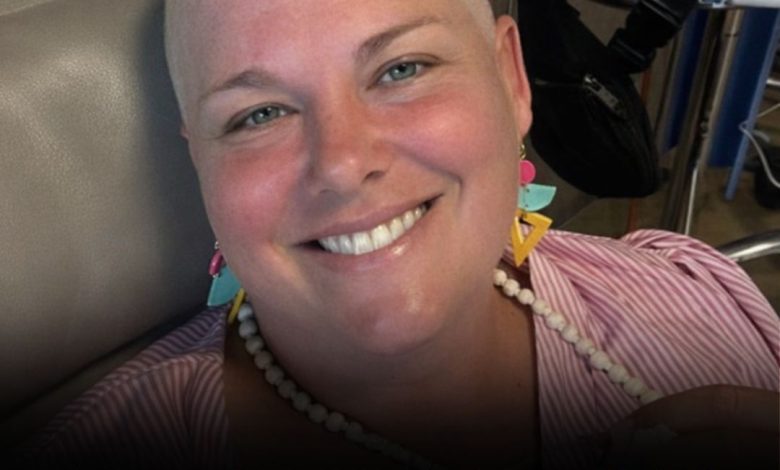
A mother of two in Australia is urging people to take subtle changes in their health seriously after being diagnosed with stage 4 bowel (colorectal) cancer—a diagnosis she says she never expected because her early symptoms felt easy to explain away.
A diagnosis that came after “small” signs were brushed off
The woman, Susan Schmidt, was 45 when she received her diagnosis in September 2023. She has described the disease as incurable, explaining that treatment goals have shifted toward staying well for as long as possible.
She also highlighted a major barrier many people face: bowel habits are often treated as a taboo topic, which can delay seeking help or clearly describing symptoms to a clinician.

The “overlooked” symptoms she experienced
Susan says bowel cancer wasn’t on her radar, because the signs didn’t match what many people assume cancer looks like. In her case, the symptoms she recalls included:
- Unrelenting fatigue (tiredness that felt abnormal)
She described being so exhausted that even short daily activities required long naps—something she now sees as a warning sign she minimized. - Constipation and bowel changes that were new for her
During a trip abroad, she experienced constipation for the first time and blamed it on travel and food changes. - Severe episodes of stomach/bowel distress and pain
After returning home, she experienced an episode involving vomiting, diarrhea, and intense pain, and initially suspected food poisoning or an infection. - Notably, she did not notice blood in her stool
She emphasized that, for her, blood wasn’t the obvious signal—which contributed to delayed alarm.
Why these signs are easy to dismiss
Many of the symptoms above can be caused by common, non-cancer issues (diet changes, stress, infections, IBS, hemorrhoids, etc.). The risk is not that every symptom means cancer—the risk is persistent or worsening changes being repeatedly explained away without appropriate follow-up.
Susan’s central message is straightforward: if something feels “off,” keep pushing for answers, even if you’re told it’s stress, diet, or hormones, and even if basic tests look normal.
What health authorities commonly list as bowel cancer warning signs
Different organizations word this slightly differently, but common red flags include:
- Blood in your stool or rectal bleeding (even if it happens once or seems minor)
- A change in bowel habits (new constipation or diarrhea, going more or less often than usual, or a change that lasts more than a few days)
- Persistent abdominal (tummy/belly) pain or cramping
- Unintended weight loss
- Weakness and fatigue, sometimes linked to anemia from slow blood loss
If you notice symptoms like these, the safest move is to talk to a qualified clinician—especially if symptoms are new, persistent, or getting worse.
Screening matters (even when you feel “fine”)
Symptoms are not the only pathway to detection. In the U.S., public health guidance notes that most people at average risk should begin colorectal cancer screening at age 45, with earlier screening for higher-risk groups.
(Recommendations vary by country, so it’s worth checking what applies where you live.)

A practical takeaway you can use
If you’re trying to advocate for yourself or a family member, bring specifics. For example:
- When did the symptom start?
- How often does it happen?
- Is it changing (worse, more frequent, different pattern)?
- Any associated signs (pain, fatigue, weight change, visible blood, black stools)?
Susan’s story is a reminder that “minor” does not always mean “harmless”—and that paying attention early can make a meaningful difference.