The Hidden Dangers of Self-Checkout—and How to Protect Yourself
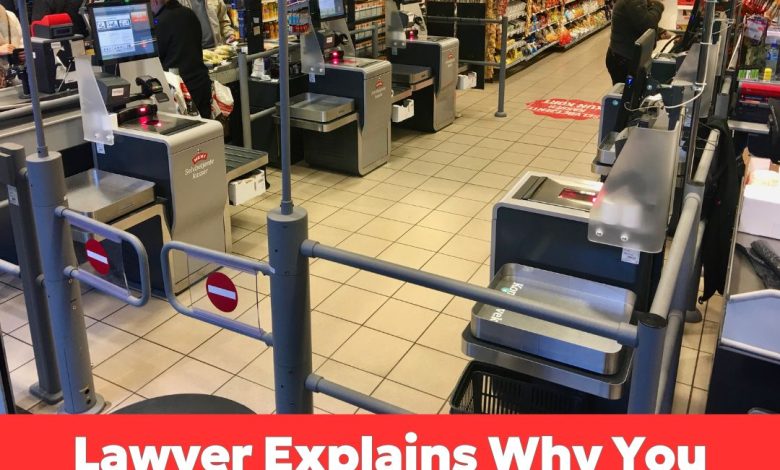
Self-checkout machines were introduced to make shopping quicker and easier. Yet many shoppers report the opposite: confusion, delays, and frequent technical problems. Now, some experts and legal professionals are warning that self-checkout can also create serious legal headaches—even when a customer makes an honest mistake.
Why Stores Pushed Self-Checkout in the First Place
Sylvain Charlebois, head of Dalhousie University’s Agri-Food Analytics Lab, argues that retailers adopted self-checkout largely to reduce labor costs, not necessarily to improve the customer experience.
Key points raised include:
- Retailers implemented self-checkout to cut staffing expenses.
- Many customers have disliked self-checkout since it first became common.
- Big chains have invested heavily in kiosks to replace or reduce cashier roles.
Self-Checkout Often Creates More Problems Than It Solves
Despite the promise of speed, self-checkout frequently slows customers down. Machines can flag routine purchases, misread items, or require approval for common situations.
Common issues include:
- Scanning errors or items not registering properly
- Unexpected “assistance needed” alerts that stop the process
- System glitches that require staff to override or reset the checkout
- Delays that can be slower than a staffed lane during busy hours
The “Darker Side”: When Glitches Turn Into Accusations
Beyond inconvenience, some stores have allegedly accused customers of theft based on self-checkout mistakes or system errors. The concern is that when a kiosk fails—whether due to a mis-scan, a missed scan, or a technical glitch—the customer may be blamed.
This can be especially stressful because:
- Stores may review security footage and transaction logs
- Retailers may focus on the person who last used the machine
- A mistake can be interpreted as intentional wrongdoing
A Criminal Defense Lawyer’s Warning
Criminal defense lawyer Carrie Jernigan has warned shoppers on TikTok about the potential risks tied to self-checkout. Her message is that major retailers may aggressively pursue cases where a shopper:
- Forgot to scan an item
- Accidentally failed to pay for a product
- Made an error that looks suspicious after-the-fact
Even if it was an honest mistake, shoppers could face:
- Legal threats or demands from retailers
- Pressure to pay for alleged wrongdoing
- The possibility of expensive legal disputes
Why the Risk Can Escalate Quickly
The concern is not only embarrassment or a store dispute—it’s that an incident can grow into a formal allegation. Retailers may rely on:
- Surveillance video
- Receipt and kiosk data
- Assumptions about what “should have” been scanned
In worst-case situations, a shopper may end up having to prove innocence, rather than simply correcting an error.
How to Protect Yourself
The simplest recommendation from critics of self-checkout is to avoid it whenever possible.
Practical steps:
- Use a cashier lane instead of self-checkout.
- If self-checkout is the only option, scan slowly and verify each item appears on-screen.
- Save your receipt and review it before leaving the store.
- If something goes wrong, request staff assistance immediately and ensure the issue is resolved on the spot.
Bottom Line
Self-checkout may look convenient, but it can expose shoppers to system errors, misunderstandings, and potential accusations. When possible, choosing a staffed checkout lane can reduce risk and provide clearer accountability—especially when the stakes could become far more serious than a delayed transaction.