The Most Effective Method to Manage Ticks in Your Home
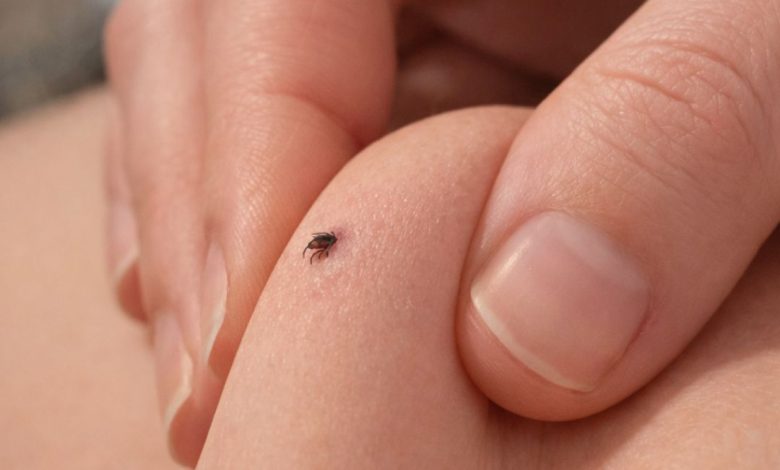
Ticks are tiny, bloodsucking parasites commonly found in woodlands, hills, and gardens. They can also end up indoors—especially if you have pets that bring them in. If you find a tick in your home, the key is to act quickly to reduce the risk of disease transmission.
1) Identify the Tick
Before doing anything else, try to identify the tick type, because some species are more dangerous than others.
- If you’re unsure, take a clear photo and consult:
- a medical professional, or
- a pest control specialist
2) Remove the Tick Safely
Use fine-tipped tweezers or a tick-removal tool.
- Steps for proper removal:
- Grasp the tick as close to the skin as possible.
- Pull straight out gently and steadily.
- Do not twist or jerk.
- Avoid these mistakes:
- Do not crush the tick while removing it.
- Do not twist it, because the head may break off and remain in the skin.
3) Dispose of the Tick Correctly
After removal, dispose of the tick in a way that prevents exposure to germs.
- Place it in a sealed plastic bag or container.
- Throw it into an outdoor trash bin.
- Important warning: Do not crush a tick with your fingers, as it can release disease-causing microbes.
4) Clean the Area Thoroughly
Clean the bite site (or the contact area) to lower the risk of infection.
- Wash with soap and water.
- Optional disinfecting choices:
- rubbing alcohol, or
- hydrogen peroxide
5) Check for Other Ticks in the Home
Ticks can hide in soft surfaces and tight spaces. Inspect common hiding areas:
- carpets and rugs
- bedding and sheets
- furniture and upholstery
If you have pets, check them carefully:
- Use a fine-toothed comb to inspect fur for attached ticks.
6) Prevent Future Tick Infestations
To reduce the chance of ticks returning, focus on home hygiene, entry points, and pet protection:
- Keep your home clean and clutter-free.
- Seal cracks and gaps in walls, doors, or the foundation.
- Use tick repellent products for pets (as appropriate).
- Regularly check pets and family members for ticks after outdoor activities.
Key Takeaway
The most effective approach is a fast, structured routine: identify, remove safely, dispose securely, clean thoroughly, inspect the home and pets, then prevent re-entry.