The Truth About the “White Goo” That Appears When Cooking Chicken
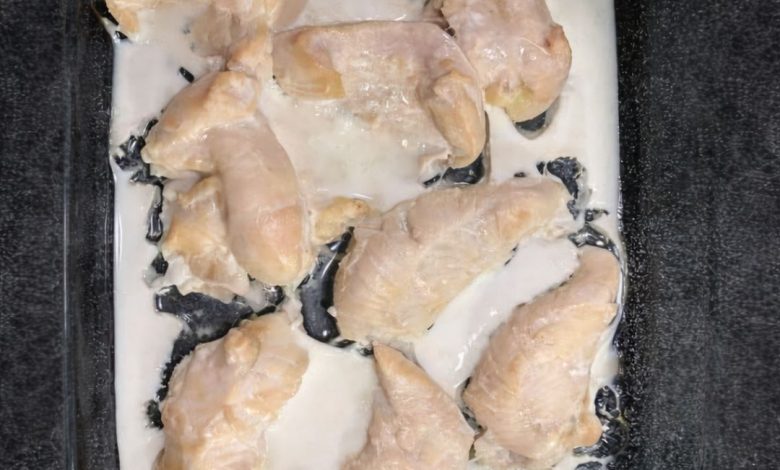
If you have ever cooked chicken and noticed a slimy, white substance seeping out, you are not alone. It can look alarming at first, and some people worry it is a sign of chemicals, additives, or spoiled meat. In most cases, it is none of those. It is simply a normal cooking by-product.
What Is the White Goo?
The “white goo” is mainly protein + water released from the chicken as it heats up. When chicken cooks, muscle fibers contract, pushing liquid out. As that liquid heats, the proteins coagulate and turn white, similar to what happens when egg whites cook.
Why Does It Happen?
This can occur with any chicken, but it is more common when the chicken has been frozen or previously frozen.
Key reasons include:
- Freezing forms ice crystals that can damage muscle structure.
- Damaged fibers allow more fluid to leak out during thawing and cooking.
- Repeated freeze–thaw cycles typically make it worse.
The Science Behind the Color and Texture
The white appearance happens because the liquid contains proteins such as albumin, which turns opaque and firm when heated. That is why it often resembles cooked egg whites.
Is It Safe to Eat?
Yes. In normal situations, the white goo is safe because it is just cooked protein and water.
You should be cautious only if you notice signs that suggest spoilage, such as:
- Unusual odor
- Odd discoloration (not the typical white/opaque look)
- Chicken that was already questionable before cooking
Why It Sometimes Looks Worse
Certain cooking habits can increase how much you see:
- High heat: faster contraction = more liquid forced out.
- Overcooking: squeezes out more moisture.
- Cutting too early: releases juices before the meat rests.
- Piercing the meat repeatedly (forks/thermometers): creates escape paths for liquid.
How to Reduce the White Goo
You may not eliminate it completely, but you can minimize it:
- Avoid repeated freezing and thawing (use fresh chicken when possible).
- Pat the chicken dry with paper towels before cooking to reduce surface moisture.
- Use moderate heat rather than blasting with high temperatures.
- Cook more gently (slower methods often reduce leakage).
- Brine the chicken (salt-water soaking can help it hold moisture and reduce seepage).
- If it still appears, scrape it off before serving with a butter knife or blot with a paper towel.
It’s Not Just Chicken
This effect can happen with other proteins too. For example, fish like salmon often releases a similar white substance (also protein/albumin) during cooking. The same general approach—gentler heat and careful cooking—can reduce it.
Conclusion
The “white goo” that appears when cooking chicken is usually completely normal. It is simply protein and water pushed out by contracting muscle fibers and then solidified by heat. It may look unappetizing, but it is typically harmless, especially in frozen or previously frozen chicken. With a few simple cooking adjustments, you can reduce how noticeable it is and feel confident that your meal is safe.