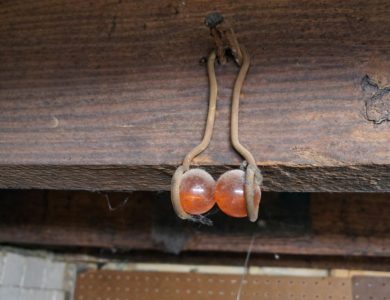
The whole internet collaborate and couldn’t find what this is. I’m not sure what this is, ninety percent of people don’t know too
What These Items Are Called
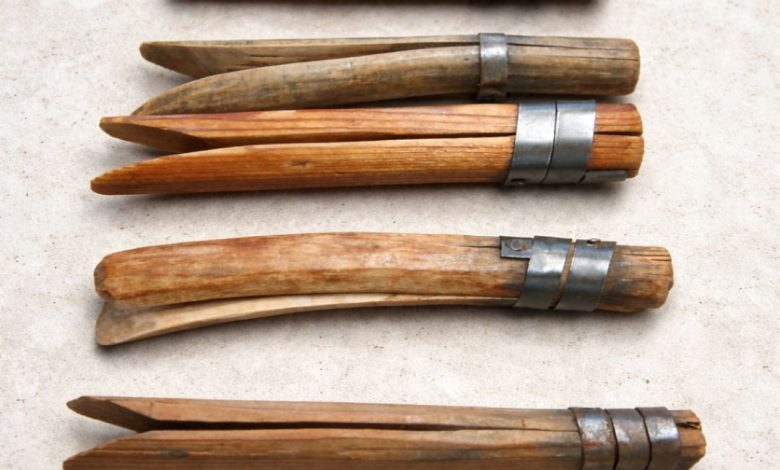
The objects in the image are vintage wooden clothespins—often described by collectors as primitive or antique wooden-and-metal clothespins. Based on the shape (two wooden “jaws” and a metal band), they resemble an early style that bridges the gap between simple split wooden pegs and the later wire-spring clothespins.
Key identifiers visible in the photo:
- Two tapered wooden arms forming a clamp
- A metal band/collar wrapped near one end to increase grip tension
- A handcrafted, irregular wood finish consistent with older utility items
When Clothespins First Appeared
Clothespins emerged as soon as people began routinely air-drying washed clothing on outdoor lines, a practice that became widespread in many places by the late 1700s to early 1800s.
In broad terms, the timeline looks like this:
- Early 1800s (and earlier): Simple wooden pegs—often hand-carved, split, or notched—held fabric to a line through basic pressure and friction.
- Mid-1800s: More standardized designs spread as woodworking and small-goods manufacturing expanded.
- 1850s onward: The best-known “modern” leap was the spring clothespin concept (the familiar clamp with a spring mechanism), which began appearing through patented designs in the mid-19th century.
Who Created Them
Because “clothespin” describes a household tool category rather than one single invention, there are two important creator stories:
- The earliest wooden peg-style clothespins were typically not invented by one identifiable person. They were folk/utility objects, commonly made by hand by:
- local woodworkers
- rural households and farm communities
- small workshops producing simple household goods
- Spring-based clothespins (the kind most people recognize today) are tied to mid-19th-century inventors and patents, which helped standardize the clamp-and-spring approach and led to mass production.
What They Were Used For
The primary purpose was straightforward: to fasten wet laundry to a clothesline so it could dry in sun and wind without slipping off.
Common uses included:
- Hanging shirts, linens, towels, and undergarments on a line
- Preventing wind loss (fabric blowing off the line)
- Reducing drying creases by holding edges and seams in place
Secondary household uses also became common over time:
- Clipping paper or notes
- Closing opened food sacks (flour, grain, feed bags)
- Holding light fabric for repairs (temporary “third hand” at home)
How This Antique Design Works
These vintage examples rely on wood tension + leverage, with the metal band acting as a reinforcement and pressure component.
How the mechanism works (simple version):
- The two wooden arms form a pinch point at the tapered end.
- The metal band compresses the arms together near the back, increasing clamping pressure at the front.
- The user squeezes or flexes the arms slightly to open the pinch, then releases to grip fabric and line.
Why this mattered in the 1800s household:
- No complicated parts (durable, repairable)
- Easy to make from scrap hardwood
- Strong enough for thick textiles like sheets and workwear
Materials and Construction
Most antique clothespins of this type were made for durability, not beauty:
- Hardwood body (commonly whatever local wood was available and tough)
- Metal band/collar for reinforcement and stronger grip
- Hand-finished surfaces with visible wear, darkening, and tool marks over time
Signs that collectors often associate with genuine age:
- Patina and uneven coloration in the wood
- Oxidation or dulling on the metal band
- Small cracks, dents, and smoothing where fingers repeatedly gripped the pin
Why They’re Collectible Today
Vintage clothespins are popular in antique and “primitive décor” circles because they represent:
- Everyday domestic history (pre-electric dryers)
- Simple functional design that lasted generations
- A tangible link to 19th-century home labor and seasonal routines
They are frequently used now as:
- Rustic décor props (laundry-room displays, farmhouse styling)
- Craft supplies (wreaths, hanging displays, holiday décor)
- Collector pieces within vintage laundry or household tool collections