Tonsil Stones: What They Are, Why They Happen, and What You Can Do About Them
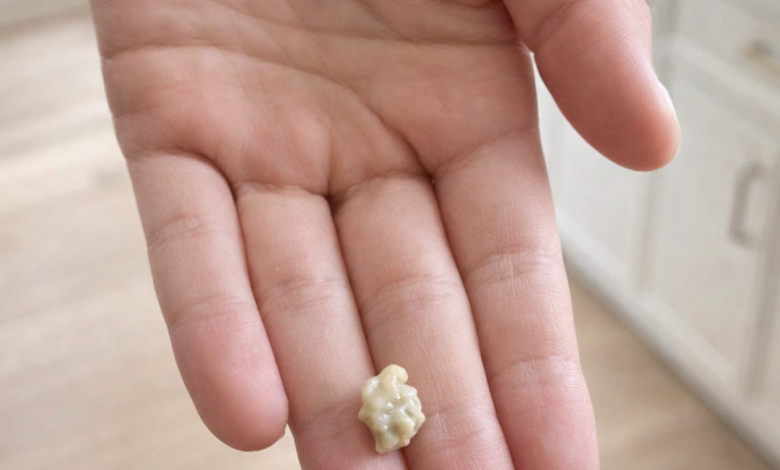
Tonsil stones (also called tonsilloliths) are small, whitish-yellow, pebble-like lumps that can form in the tiny crevices (crypts) of your tonsils. They are usually not dangerous, but they can be annoying and are a common cause of persistent bad breath.
What Causes Tonsil Stones?
Tonsil stones typically form when debris gets trapped in the tonsil crypts and hardens over time. Common materials involved include:
- Food particles
- Dead cells
- Bacteria
As these substances collect and compact, they can gradually turn into small stones.
Who Gets Them?
Tonsil stones are most common in:
- Children and young adults
But they can occur at any age.
Symptoms to Watch For
Small tonsil stones may cause no symptoms at all. When stones become larger or more numerous, symptoms may include:
- Strong bad breath (halitosis)
- Sore throat
- Difficulty swallowing
- Metallic taste in the mouth
- Swollen tonsils
- Ear pain or pressure
- Persistent coughing
- Recurring tonsil infections (tonsillitis)
If you notice these symptoms repeatedly—especially bad breath that doesn’t improve with brushing and mouthwash—tonsil stones may be one possible cause.
How Tonsil Stones Are Diagnosed
Diagnosis is often straightforward and may include:
- A throat exam (looking directly at the tonsils)
- A brief review of your symptoms and medical history
- In some cases, additional tests (such as imaging or a throat culture) to rule out other conditions and confirm what’s going on
Treatment Options
Tonsil stones do not always require treatment. If they cause discomfort, frequent infections, or ongoing bad breath, options may include:
- Self-removal (with caution)
- Some people gently remove visible stones using a cotton swab or by gargling to help dislodge them.
- Do not use sharp or pointed objects, as this can injure your tonsils and make the problem worse.
- Medicated or antimicrobial gargles
- Antimicrobial mouthwash or gargles may help reduce bacteria buildup and lower the chances of stones forming.
- Oral irrigators
- These devices can help flush debris from tonsil crypts.
- Use gentle settings to avoid irritation.
- Surgical treatment (for severe or recurring cases)
- If tonsil stones lead to recurrent infections or significant discomfort, a doctor may discuss a tonsillectomy (removal of the tonsils).
Home Remedies That May Help
Home care can be reasonable when symptoms are mild and there are no signs of serious infection. Common approaches include:
- Saltwater gargles
- Mix salt into warm water and gargle to help reduce irritation and possibly loosen debris.
- Diluted apple cider vinegar gargle
- Some people use diluted vinegar to help discourage bacterial growth.
- Stay well-hydrated
- Drinking water helps reduce dry mouth, which can contribute to buildup.
- Strong oral hygiene habits
- Brush teeth and tongue regularly, floss, and rinse to help reduce bacteria.
Important note: Home remedies may provide temporary relief and may not fully prevent stones from returning.
How to Reduce the Chances of Tonsil Stones
You may not be able to prevent them completely, but you can reduce the risk by:
- Brushing and flossing consistently
- Cleaning your tongue (bacteria often collects there)
- Using mouthwash to help control oral bacteria
- Drinking water throughout the day
- Avoiding tobacco and limiting alcohol, which can irritate the throat and contribute to dry mouth
- Getting routine dental checkups to catch issues early and improve oral health habits
When to See a Healthcare Professional
Seek medical advice if you have:
- Persistent bad breath that doesn’t improve with good oral hygiene
- Frequent sore throats or tonsil infections
- Significant pain, swelling, or trouble swallowing
- Symptoms that keep returning or are getting worse
Based on the provided material.