Trump Welfare Reforms Put SNAP Work Requirements Back at Center of National Debate
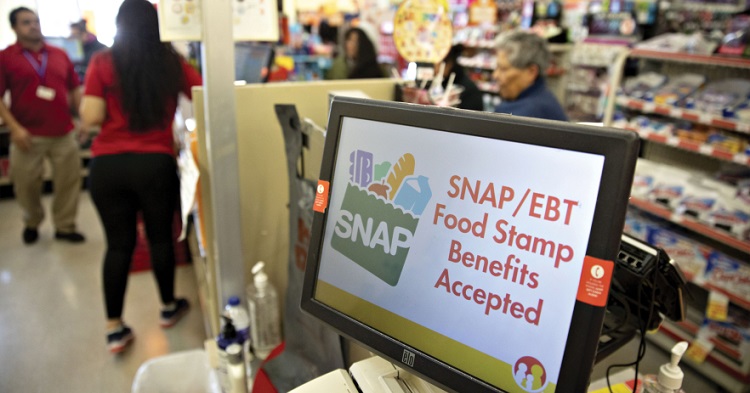
The Trump administration’s push to reshape America’s welfare system is beginning to affect millions of low-income households, as expanded SNAP work requirements take effect across more states and force a renewed national debate over accountability, poverty, and the proper role of government assistance.
At the center of the fight is the Supplemental Nutrition Assistance Program, better known as SNAP or food stamps. Under the new rules tied to the federal tax and spending law signed by President Donald Trump in July 2025, more able-bodied adults must show that they are working, volunteering, attending school, or participating in approved job training for at least 80 hours per month in order to keep receiving benefits beyond a limited period.
The changes expand work rules to adults ages 18 to 64, raise the previous upper age limit, and narrow some exemptions. Parents are also affected if they do not have a child under age 14 in the household. Supporters say the policy restores a basic expectation: public benefits should help people through hardship, not become a long-term substitute for work when a person is able to work.
Administration allies argue that requiring roughly 20 hours per week of work, training, education, or community service is a reasonable condition for taxpayer-funded assistance. They also say tighter oversight can protect limited resources for people with the greatest need, including children, seniors, disabled Americans, and families facing real economic emergencies.
Critics see the issue very differently. Democratic officials and anti-poverty advocates warn that strict paperwork rules and complicated eligibility reviews could push vulnerable people off benefits even when they are trying to comply. They argue that many SNAP recipients already work, but often in unstable, low-wage jobs with changing hours that make monthly documentation difficult. AP reported that about 42 million Americans receive SNAP, and that many beneficiaries live in households with children, older adults, disabled people, or someone already employed.
Illinois has become one of the most closely watched states as the new rules roll out. Federal implementation dates vary by state, and AP reported that the requirements were set to begin in Illinois and Ohio in early 2026, with some recipients potentially losing benefits later if they could not document compliance.
Illinois officials, including Gov. J.B. Pritzker’s administration, have criticized the federal changes, saying they could put food assistance at risk for large numbers of low-income residents while shifting more administrative pressure onto the state. The broader federal law also raises states’ share of SNAP administrative costs from 50% to 75% beginning October 1, 2026, according to the National Conference of State Legislatures.
For conservatives, the Illinois backlash illustrates the larger philosophical divide. They argue that welfare programs were created as a temporary bridge to stability, not as a permanent destination. From that perspective, work requirements are not punishment; they are a way to connect able-bodied adults with employment, training, and responsibility while preserving the safety net for people who cannot reasonably be expected to work.
For opponents, however, the danger is that policy designed to encourage self-sufficiency may instead remove food aid from people facing transportation barriers, caregiving duties, unstable schedules, poor health, or bureaucratic confusion. They say the government should focus on reducing hunger first, then helping people move toward stable work without threatening their grocery assistance.
The Congressional Budget Office has estimated that the expanded SNAP requirements could reduce the average monthly number of recipients by about 2.4 million people over 10 years. That projection makes clear that the impact will not be symbolic; it could reshape one of the nation’s largest anti-hunger programs for years to come.
The political fight is likely to intensify as more states begin enforcing the new standards. To supporters, the Trump administration is restoring accountability and protecting taxpayers. To critics, it is creating new risks for families already squeezed by food, housing, and utility costs.
What is clear is that SNAP has become a major test case for America’s welfare debate: whether federal assistance should prioritize unconditional food security, stricter work-based eligibility, or some balance between the two.