Hollywood Celebrities Face Backlash After Promoting May Day “Economic Blackout”
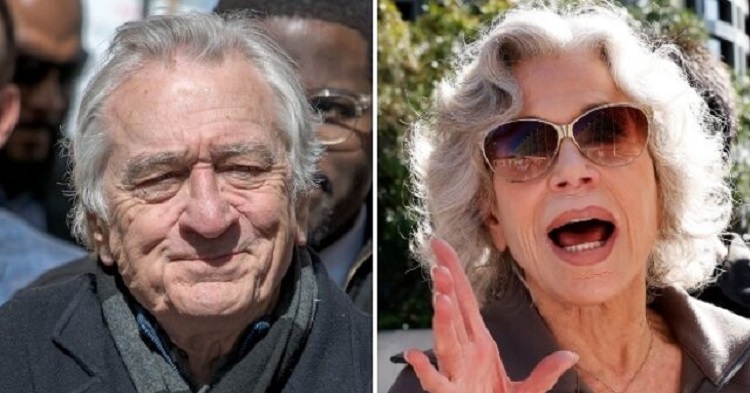
A group of high-profile Hollywood celebrities is facing criticism after using May Day to promote an “economic blackout” that urged Americans to stop working, stop shopping, and withdraw from normal economic activity for a day.
The campaign, presented through a polished video montage, featured well-known figures including Robert De Niro, Mark Ruffalo, Jane Fonda, Bette Midler, and others. Their message was framed as a call for worker solidarity and resistance against what they described as an unfair economic and political system.
But critics say the campaign exposed a familiar problem in modern celebrity activism: wealthy entertainers asking ordinary Americans to take risks they themselves are unlikely to feel.
The video opens with De Niro arguing that the country depends on working people rather than billionaires or politicians. It is a message that may resonate with many Americans frustrated by rising costs, stagnant wages, and political dysfunction. However, critics argue that the same message sounds different when delivered by celebrities who live with enormous financial security.
Jane Fonda, long known for her political activism, also appeared in the campaign, encouraging collective action and public pressure. Other voices in the video called for disruption, protest, and resistance, tying the campaign to broader concerns over immigration policy, climate issues, labor rights, and foreign policy.
The central message was simple: “No work. No school. No shopping.”
Supporters framed the idea as a peaceful way to show the power of workers and consumers. By refusing to participate in the economy for one day, they argued, Americans could send a message to corporations and political leaders.
But opponents saw something very different.
To many critics, the campaign sounded like political theater led by people who are insulated from its consequences. Hourly workers cannot always afford to miss a shift. Small business owners cannot easily close their doors for symbolic protests. Parents cannot simply keep children home from school without consequences.
That is where the backlash grew strongest.
Actor and comedian Rob Schneider was among those who criticized the campaign, pointing to what he viewed as the contradiction of millionaire actors telling working-class Americans how to protest economic hardship. His response reflected a broader frustration among many Americans who feel lectured by celebrities who do not live under the same financial pressures.
The timing also drew attention. May Day has long been associated with labor movements, socialist politics, and anti-capitalist activism. For supporters, that history made the date meaningful. For critics, it made the campaign look like another example of wealthy cultural figures embracing anti-capitalist language while benefiting from capitalism themselves.
That contradiction sits at the center of the controversy.
Many Americans may agree that the economy feels unfair. Many may believe workers deserve better pay, safer conditions, and more respect. But critics argue that asking regular people to stop working or shopping ignores the reality of families living paycheck to paycheck.
For a celebrity with multiple homes, investment income, and long-term financial security, skipping a day of economic activity is symbolic. For a single parent, a restaurant worker, a delivery driver, or a small shop owner, it can mean lost income, missed bills, or real stress.
That difference is why the “economic blackout” became less a story about labor power and more a story about Hollywood’s disconnect from everyday American life.
The campaign was clearly intended to inspire action. Instead, it reopened a familiar debate about celebrity politics, class privilege, and whether the people with the loudest platforms truly understand the struggles they claim to represent.
In the end, the message may not have landed the way organizers hoped. For supporters, it was a call for solidarity. For critics, it was another example of rich celebrities demanding sacrifice from people who can least afford it.
And for many Americans watching from the sidelines, the campaign did not feel revolutionary. It felt out of touch.