Unveiling the Mystery of a Vintage Relic: The 1950s Bulldog Bottle Stopper Explained
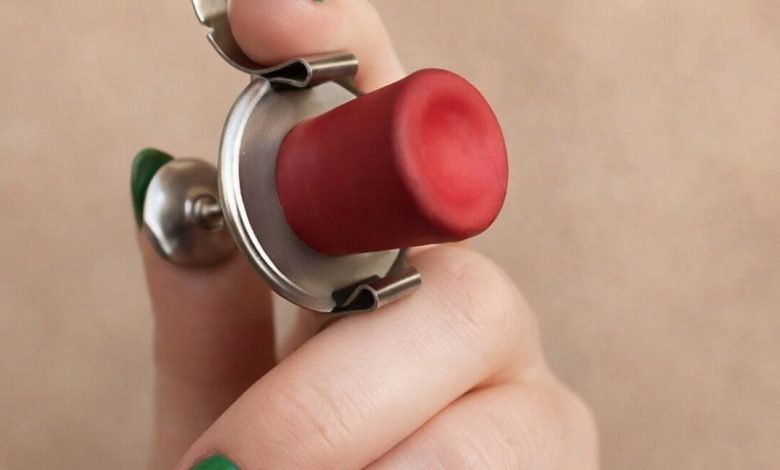
Finding an unfamiliar object tucked away in an old home can feel like opening a small door into the past. In this case, a puzzling “relic” discovered in a country house sparked a simple question: what was it used for, and why was it made that way?
The answer points to a surprisingly fun slice of mid-century everyday life: the Classic 1950s Rubber Bulldog Soda Bottle Stopper—a quirky collectible from the era when soda culture was booming and packaging was part of the entertainment.
What the “Vintage Relic” Turned Out to Be
The object is identified as a 1950s rubber bulldog soda bottle stopper, a novelty-style cap designed to plug a soda bottle after opening.
At a glance, it may look like a small decorative figurine, but it had a practical job:
- Help preserve carbonation after a bottle was opened
- Make the bottle more eye-catching with a playful bulldog design
- Give brands a distinctive accessory customers would remember
Why the 1950s Were Perfect for This Kind of Item
In the United States, the 1950s are described as a period of major cultural change when soda fountains and soda bottles became especially popular, and bottle stoppers weren’t just functional—they were also part of the product’s personality.
That’s where character-based stoppers (like the bulldog) came in: they made a simple bottle feel like something you’d want to show off, reuse, or even keep.
More Than a Stopper: A Tiny Marketing Tool
These bulldog stoppers were not only meant to seal bottles. They also served as a clever marketing strategy—a way for soda makers to stand out in a competitive market.
Key design traits commonly associated with these stoppers included:
- A small rubber bulldog figure with a distinctive facial expression
- Detailed features that could vary by version (such as floppy ears, a wagging tail, or even movable limbs)
- An overall look meant to create a sense of fun, charm, and “character” that customers would emotionally connect with
Why Collectors Want Them Today
Over time, many of these stoppers were discarded, lost, or damaged, which is why surviving examples have become more desirable. As a result, collectors and soda memorabilia fans now treat them as rare and coveted items.
If someone wants to find one today, common places mentioned include:
- Antique shops
- Flea markets
- Online auctions
And value can depend on factors such as:
- Condition (rubber intact vs. cracked or hardened)
- Whether it has any brand insignia (some versions reportedly do, and those can be more desirable)
- Overall rarity and uniqueness of the design
How People Preserve and Display Them
Because these pieces are both nostalgic and delicate, collectors often try to protect them while still enjoying how they look. Suggested display approaches include:
- Storing in protective cases
- Using shadow boxes to keep dust and damage away
- Incorporating them into retro-themed décor for a “mid-century” accent
Why This Tiny Object Still Matters
The bulldog stopper represents more than a cute accessory. It reflects a time when soda drinking was a cultural moment, and product design wasn’t limited to labels—it extended to the stopper itself. In that sense, owning one is like holding a small, playful piece of American consumer history in your hand.