What SPAM Really Is: The Story Behind the Can – and What’s Inside It

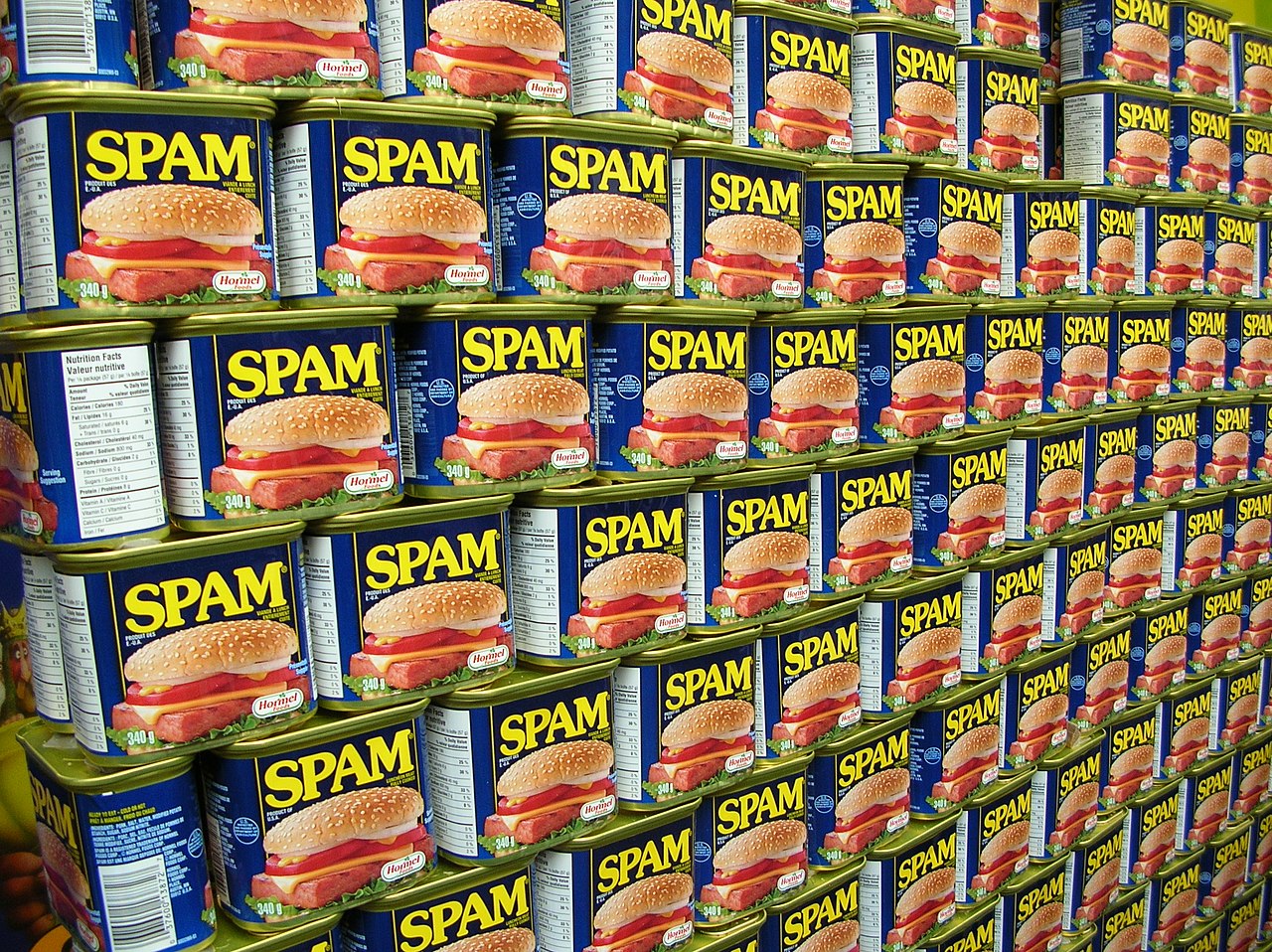
For decades, SPAM has been one of the most recognizable pantry staples in the United States. Introduced by Hormel Foods Corporation in 1937, this canned, cooked meat became famous for one major advantage: a long shelf life that made it practical, portable, and easy to store.
Yet despite its popularity, many people still ask the same question: What exactly is SPAM—and what goes into it?
A Familiar Product With a Not-So-Simple Reputation
SPAM’s distinct taste and texture are a big part of why it has remained so well-known—and why it continues to spark curiosity. Some people love it, some avoid it, and many are simply unsure what it’s made from.
What isn’t debated is how deeply it’s woven into everyday food culture:
- SPAM rose sharply in popularity during World War II, when it was widely used to help feed troops.
- Even today, it remains a staple in several places around the world, including Hawaii, South Korea, and the Philippines.
What Does “SPAM” Stand For?
The meaning of the brand name has become part of the mystery. Several explanations have circulated over the years:
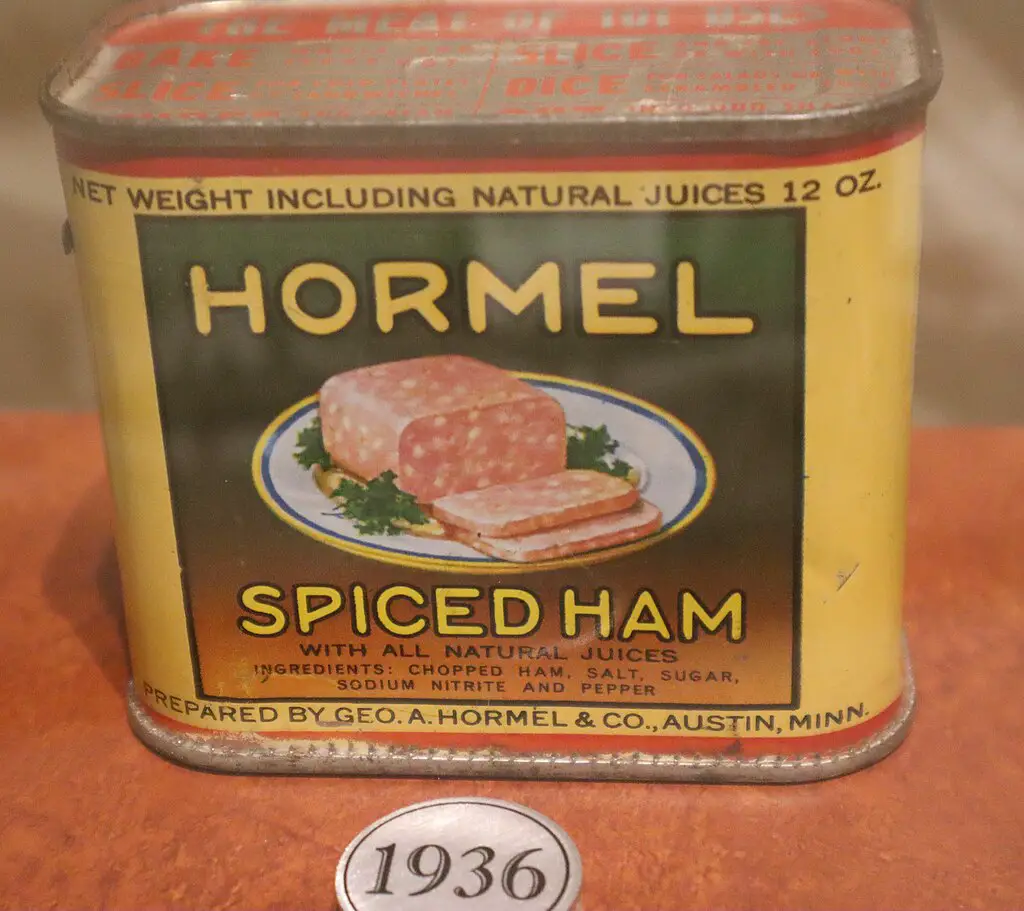
- “Spiced Ham” (the most commonly repeated belief)
- “Shoulder of Pork And Ham” (a popular alternative theory)
- “Specially Processed American Meat” (another frequently mentioned possibility)
Regardless of which one is correct, the name itself has become iconic—often recognized instantly, even by people who rarely eat it.
More Than One Kind of SPAM
Part of SPAM’s staying power is that it doesn’t come in just one style. Over time, it has expanded into multiple flavors and varieties to suit different preferences.
Examples include:
- Classic Original
- Hickory Smoke
- Hot & Spicy
- SPAM with Cheese
So, What’s in a Classic Can of SPAM?
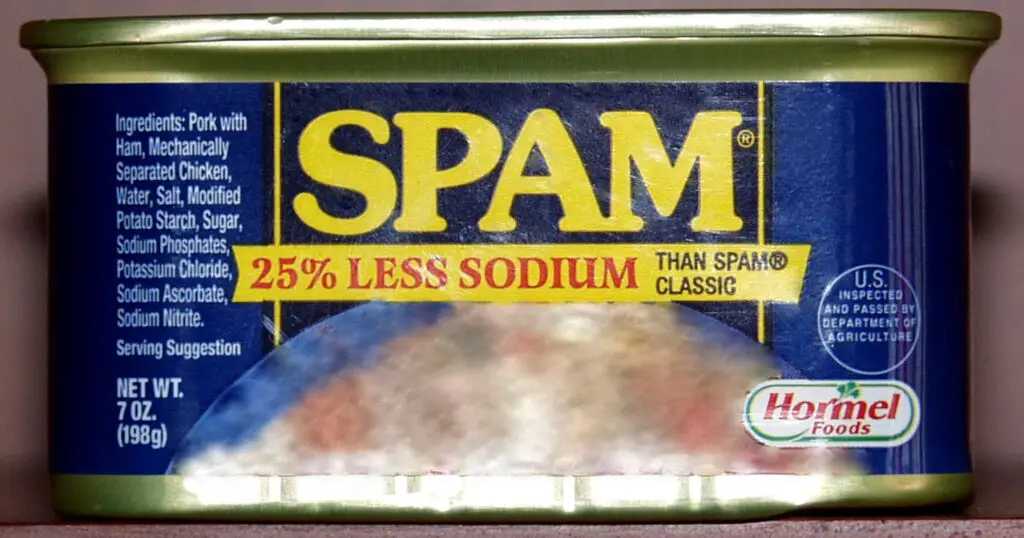
If you strip away the jokes and the rumors, the classic version is described as using a short list of core ingredients. The standard can includes:
- Pork (with ham): the main meat content
- Salt: for flavor and preservation
- Water: helps with texture and processing
- Sugar: balances flavor and can aid curing
- Potato starch (binder): helps hold the mixture together
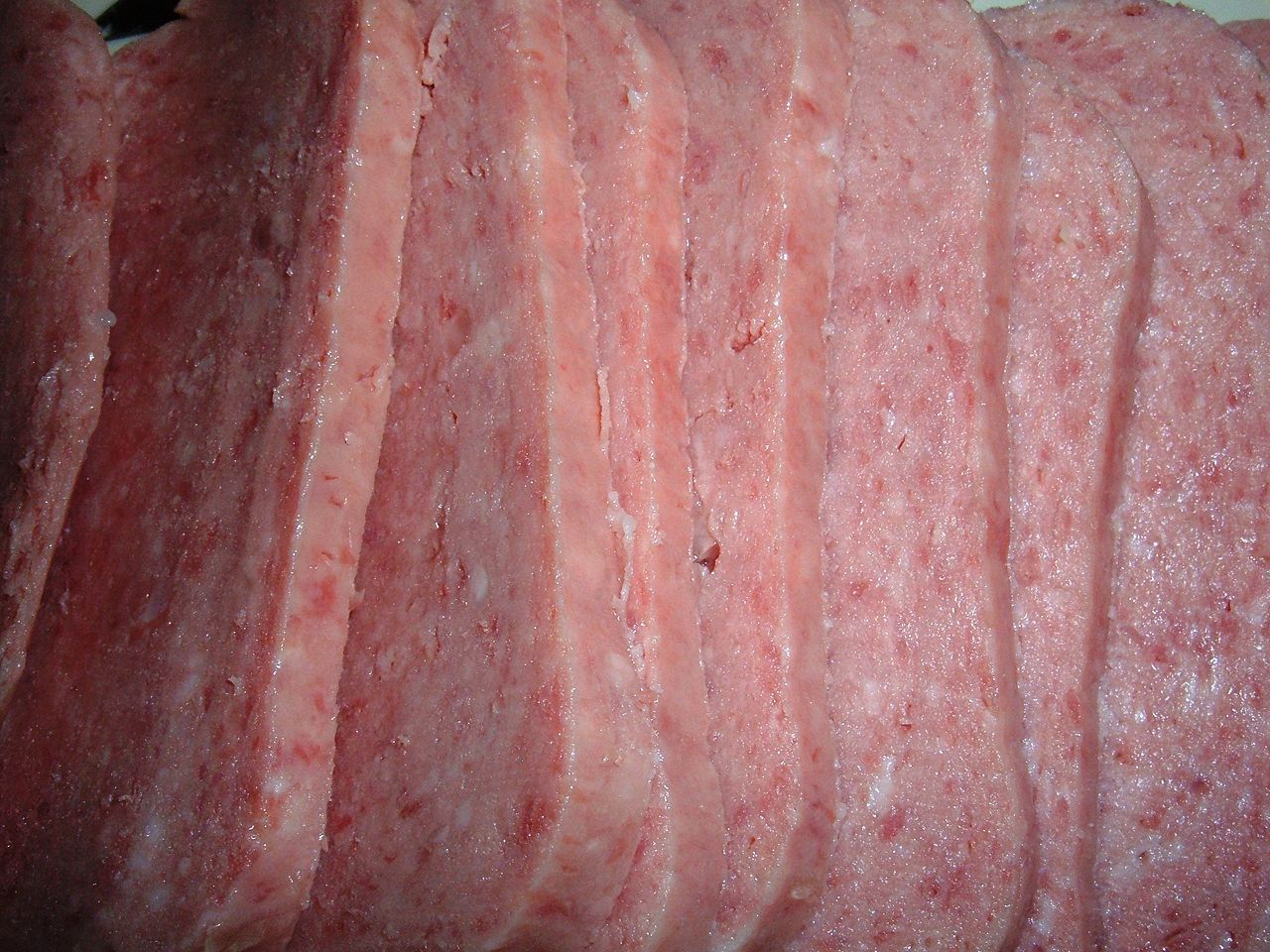
- Sodium nitrate (preservative used in cured meats): supports shelf life and helps maintain the familiar pink color
This last ingredient—sodium nitrate—is the one that tends to raise the most questions.
Why the Preservative Gets So Much Attention
Preservatives like sodium nitrate are commonly associated with cured meats, and they’re often discussed because of how they relate to diet and long-term health.
Key points often highlighted:
- Nitrates can also occur naturally in foods such as certain vegetables (for example, leafy greens) and can be present in some water sources.
- They’re considered a normal part of many diets, but discussions usually focus on high or frequent intake.
Some research discussions have linked excessive consumption of nitrate-related compounds with increased health risks, including concerns involving certain cancers and other diseases. Because of that, public health guidance often emphasizes moderation—especially for processed meats.
A Common Guideline Mentioned for Intake
One frequently cited guideline suggests limiting daily intake of sodium nitrate to about 3.7 milligrams per kilogram of body weight.
A practical complication, however, is that tracking can be difficult for the average person because:
- The exact amount of this preservative may not be clearly listed in an easy-to-track way for consumers, making it harder to calculate daily exposure across different foods.
The Bottom Line
SPAM is widely known because it combines convenience, durability, and a distinctive flavor—and it has a history tied to major real-world needs, especially during wartime. At the same time, the conversation around its ingredients—particularly preservatives used in cured meats—is why many people still scrutinize it.
For most people, the most practical takeaway is simple:
- Know what you’re eating
- Pay attention to how often processed meats appear in your diet
- Aim for balance and moderation, especially if you consume multiple preserved or cured foods regularly