70% Are Unaware of What This Is. Proceed To Disprove My Beliefs (If Possible)
What It’s Called
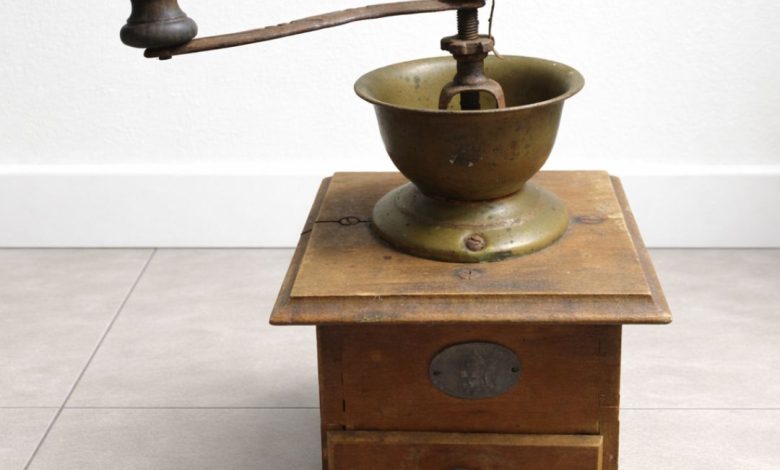
This item is commonly known as a vintage wooden coffee grinder, also referred to as a hand-crank coffee mill or wooden box coffee mill.
Key identifiers visible in the photo include:
- Wooden box body (the housing)
- Hand crank with a wooden knob
- Metal hopper/bowl on top where beans are poured
- Front drawer where ground coffee collects
When It First Appeared (Historical Timeline)
Coffee grinding has existed for centuries, but the style shown here became widespread later:
- Pre-1700s: Coffee was often crushed using mortars and pestles or simple grinding tools.
- 1700s–1800s: Dedicated coffee mills became increasingly common in homes and shops.
- Late 1800s to early 1900s: The wooden box grinder with a drawer (like the one pictured) became a popular household design because it was sturdy, tidy, and easy to use.
Who Created It
There is no single “inventor” of the wooden box coffee grinder in the way we might credit a modern appliance to one person. Instead:
- The coffee grinder evolved gradually from earlier hand mills and crushing tools.
- Many manufacturers in Europe and North America produced similar grinders, refining features such as:
- More consistent burr designs
- Adjustable grind mechanisms
- Improved drawers and housings for cleaner collection
In practical terms, this is best understood as a standardized, mass-produced design that emerged from incremental engineering improvements rather than a single creator.
What It Was Used For
Primary purpose: turning whole roasted coffee beans into grounds suitable for brewing.
Why it mattered:
- Fresh grinding helped preserve aroma and flavor compared to buying pre-ground coffee.
- Households could choose a grind appropriate for common brewing methods of the time.
How It Works (Simple Step-by-Step)
- Add beans into the metal hopper on top.
- Turn the crank clockwise; the internal mechanism draws beans into the grinder.
- Inside, burrs (or a cutting/grinding assembly) crush and shear beans into smaller particles.
- The ground coffee falls downward into the front drawer.
- Pull out the drawer and measure the grounds for brewing.
Key Features and Why They’re Practical
- Hand crank: Works anywhere, no electricity required.
- Wooden housing: Provides stability and reduces movement while grinding.
- Metal hopper: Holds beans and guides them into the grinding mechanism.
- Drawer catch: Keeps grounds contained and easy to portion.
Typical Uses Today
Collectors and coffee enthusiasts still use these grinders for:
- Decor and display (vintage kitchen aesthetic)
- Occasional grinding for traditional preparation
- Demonstrations of historical home coffee-making
Quick Note on Grind Quality
Many antique grinders can still function well, but performance depends on:
- Burr condition (wear, alignment, rust)
- Cleanliness of internal parts
- Whether grind adjustment still operates smoothly