Joe Scarborough Lashes Out at JD Vance Over Watergate Comments, Sparking New Debate About Media Double Standards
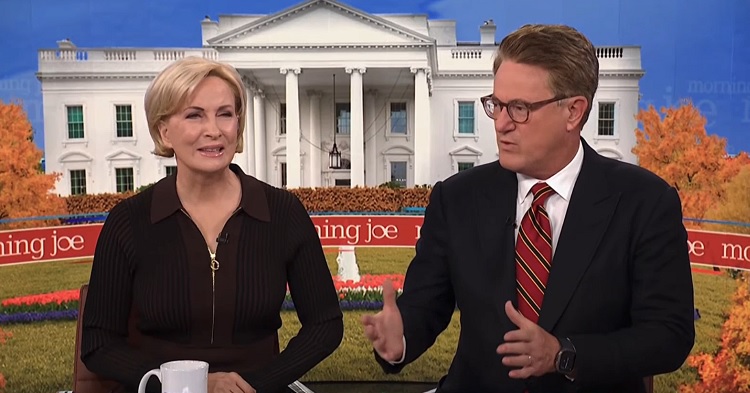
MSNBC host Joe Scarborough erupted on Morning Joe after Vice President JD Vance suggested that the Watergate scandal would be treated very differently if it happened in today’s fast-moving political media environment.
Vance made the remarks while discussing former President Richard Nixon’s legacy, arguing that Nixon is receiving renewed interest from conservatives and historians. He said Nixon’s reputation is undergoing “a bit of a renaissance,” then added that, in today’s nonstop news cycle, Watergate might become a short-lived media story instead of a presidency-ending scandal.
“If Watergate happened tomorrow, it would be like a 12-hour news story,” Vance said, framing the comment as a joke about modern media attention spans.
That remark immediately drew outrage from Scarborough, who accused Vance of distorting history and minimizing one of the most serious political scandals in American history.
“What he’s saying is ahistoric. What he’s saying is stupid,” Scarborough said during the broadcast. He also argued that Vance was wrong to suggest that Nixon was a victim of the so-called “deep state.”
According to Scarborough, Nixon was not brought down by shadowy government forces but by his own administration’s abuses of power. He pointed to the break-in at Democratic National Committee headquarters, the use of surveillance against political opponents, and Nixon’s infamous enemies list as evidence that Watergate represented a direct abuse of presidential power.
Scarborough’s anger grew as he mocked Vance’s education, asking sarcastically whether the vice president had really earned a degree from Yale. Even after co-host Mika Brzezinski attempted to move the conversation forward, Scarborough refused to let the topic go.
“I’m not ready to let this go,” he said.
Former George W. Bush administration official Richard Haass also joined the discussion, arguing that Nixon and President Donald Trump should not be treated as identical political figures. Haass described Nixon as a flawed but fundamentally conservative leader, while calling Trump more of a populist and political radical.
However, conservatives quickly pushed back on Scarborough’s reaction. Many argued that Vance’s point was not that Watergate was harmless or acceptable, but that America’s media environment has changed dramatically since the 1970s.
Vance had introduced his remark by saying, “As I joked,” which his supporters say matters. To them, the comment was not a literal defense of Watergate but a criticism of today’s chaotic news cycle, where even major scandals can be replaced within hours by another controversy.
Conservatives also accused Scarborough and other legacy media figures of selective outrage. They argued that major media outlets often give intense coverage to controversies involving Trump and Republicans while showing far less urgency when damaging stories involve Democrats.
The dispute highlights a larger divide in American politics: whether institutions such as the media, federal agencies, and political elites still operate as neutral referees—or whether they have become political actors themselves.
To Scarborough, Vance’s comments represented a dangerous rewriting of history. To Vance’s supporters, Scarborough’s reaction proved the very point Vance was making: that modern political media often turns every debate into a partisan explosion.
Either way, the clash shows that Watergate remains more than a history lesson. More than 50 years later, it is still being used as a measuring stick for presidential power, media credibility, and the deep distrust shaping American politics today.