The Backlash Against Sophie Cunningham Shows Why Women’s Sports Need an Honest Debate
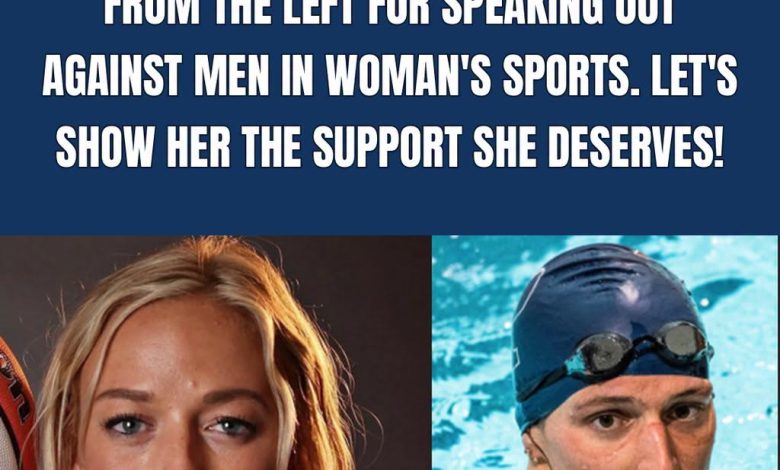
Sophie Cunningham’s willingness to speak publicly about fairness in women’s athletics has placed her at the center of one of America’s most contentious cultural debates. Rather than addressing her concerns through evidence and open discussion, many critics have responded with personal attacks and demands that she remain silent.
That reaction raises a larger question: Can Americans still debate sex-based athletic categories without attempting to punish those who express an unpopular position?
Women’s sports were established as separate competitive categories for a clear reason. On average, male puberty creates substantial differences in strength, speed, skeletal structure, cardiovascular capacity, and muscle mass. Those physical distinctions can influence athletic performance, particularly at elite levels and in contact sports.
Supporters of sex-based competition argue that these differences do not become irrelevant simply because the discussion is politically uncomfortable. They believe eligibility policies must consider not only inclusion, but also competitive fairness, player safety, scholarships, team selection, and women’s access to athletic opportunities.
Cunningham’s critics are entitled to disagree with her. They can challenge her reasoning, question her evidence, or advocate for different eligibility standards. But attempts to intimidate or professionally damage athletes for discussing the issue undermine the very principle of open debate.
Disagreement is not hatred, and asking questions about athletic policy is not an attack on anyone’s dignity.
The people most directly affected by these rules deserve a meaningful voice. Female athletes train for years to earn roster positions, records, scholarships, sponsorships, and championships. Parents invest enormous time and money supporting their daughters’ athletic development. Coaches are responsible for maintaining both fair competition and safe playing conditions.
Their concerns should not be dismissed as ignorance or prejudice simply because they conflict with prevailing political narratives.
At the same time, this debate requires precision. Transgender athletes are individuals, not political symbols, and they should not be subjected to harassment or dehumanizing language. Policymakers must distinguish between treating people respectfully and deciding how competitive categories should be structured.
Those are related issues, but they are not identical.
A serious policy discussion should examine the sport involved, the athlete’s age, the level of competition, the physical demands of the event, and the available scientific evidence. Recreational participation may present different considerations from collegiate scholarships, professional championships, or high-contact competition.
Blanket slogans from either side cannot resolve these complexities.
Title IX was created to ensure that women and girls received genuine educational and athletic opportunities. Its purpose is weakened when officials refuse to examine whether modern eligibility rules preserve the competitive protections that sex-based categories were designed to provide.
The strongest answer is not censorship. It is transparent rulemaking based on measurable standards, credible research, and direct consultation with female athletes.
Sophie Cunningham’s experience demonstrates why many Americans believe the debate has become dangerously one-sided. When athletes are attacked merely for raising concerns, others learn that silence is safer than honesty. That environment does not produce better policy. It produces resentment, distrust, and decisions insulated from criticism.
Women’s sports should remain a place where talent, preparation, discipline, and fair competition determine success. Protecting those principles does not require hostility toward transgender people. It requires acknowledging that compassion and competitive fairness must both be considered rather than pretending no tension exists between them.
Cunningham should be debated on the merits of her position, not targeted for expressing it. If advocates are confident in their policies, they should be prepared to defend them openly.
American athletes deserve rules they can trust—and a public conversation in which telling an uncomfortable truth does not automatically make someone an enemy.