A Nevada Home Purchase That Accidentally Included 87 Properties
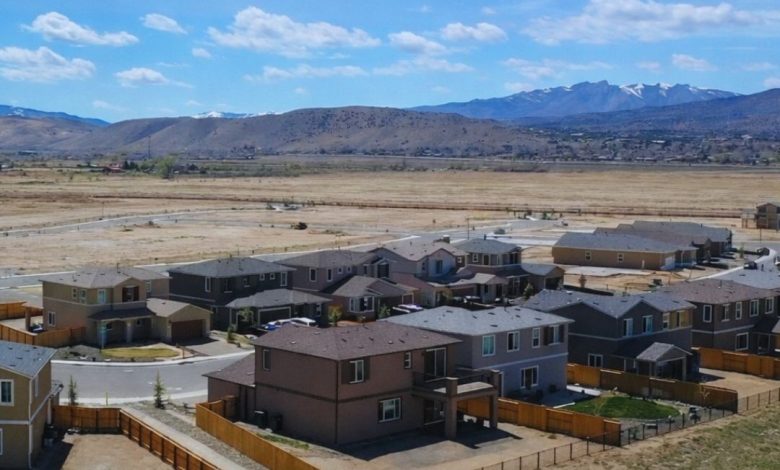
Buying a home is often one of the biggest milestones in a person’s life. But for one homebuyer in Sparks, Nevada, a routine purchase briefly turned into an unbelievable situation: she unintentionally became the recorded owner of 87 properties because of a copy-and-paste error in the deed paperwork.
What looked like a real estate dream quickly became a legal and administrative scramble—one that highlights how critical accuracy is in property records, especially when homes are changing hands in a difficult market.
What She Intended to Buy
The buyer signed a contract for a single family home in Sparks, Nevada, valued at $594,481. Like most homebuyers, she expected a straightforward transaction involving one address and one parcel.
What the Records Showed Instead
According to county records, the recorded deed did not stop at her home. It appeared to transfer ownership of:
- Her Sparks home
- 2 additional lots
- 84 home lots inside the Toll Brothers Stonebrook development near Reno
That totaled 87 properties listed under her ownership in official records.

How a Simple Error Could Cause a Massive Transfer
County officials indicated the problem likely came from the legal description section of the deed—an area of text that precisely defines what land is being transferred. The issue: the deed preparation process may have used a copied legal description from another Toll Brothers transfer, and it was mistakenly pasted into the buyer’s paperwork.
Key detail: the Washoe County Assessor’s Office updates ownership using the legal description, not the parcel number. That means if the legal description is wrong, the system can assign ownership of the wrong land—even if the buyer never intended it.
The legal description reportedly included language like:
- “Lots 1 to 85… and Common Areas A and B”
Why the Situation Was Urgent
This was not just a paperwork oddity. Some of the mistakenly transferred lots had already been:
- Purchased by other buyers, or
- Developed and processed in ongoing transactions
Because of that, officials needed to restore the correct chain of title quickly to prevent delays and confusion for other homeowners and pending sales.
Correcting the Ownership
County officials contacted the title company to correct the mistake and restore rightful ownership. The solution followed standard corrective procedures:
- The buyer cooperated to return or correct the title interests created by the error.
- A new corrective document was prepared and recorded to fix the chain of title.
- The assessor’s office updated ownership for the affected parcels.
The correction was finalized when:
- On August 9, 2022, ownership was restored through a newly recorded document
- By August 12, 2022, the assessor’s office updated ownership across all associated lands
Why This Matters for Homebuyers
This incident is a clear example of how real estate transactions can become complicated when legal documentation is not handled with extreme care. Even a simple operational mistake can create major consequences, including:
- Clouded title and ownership confusion
- Delays in sales or closings for other buyers
- Legal disputes if parties refuse to cooperate
- Additional work for county offices, builders, and title companies
Officials also noted that mistakes tied to inaccurate legal descriptions can happen more often than people realize, frequently due to basic errors such as copying and pasting the wrong text.
The Bigger Context: Buying a Home in a Difficult Market
The story also unfolded during a period when first-time homebuyers faced intense pressure from:
- High mortgage rates
- High home prices
- Reduced affordability compared to previous years
Economists and real estate professionals emphasized that buyers should avoid rushing decisions and focus on financial readiness, including:
- Paying down existing debts
- Saving 3–6 months of emergency funds
- Keeping housing costs manageable relative to monthly take-home pay
- Prioritizing long-term stability over market pressure