A Silver Spoon With “Top” Part. Does anyone know what this is?
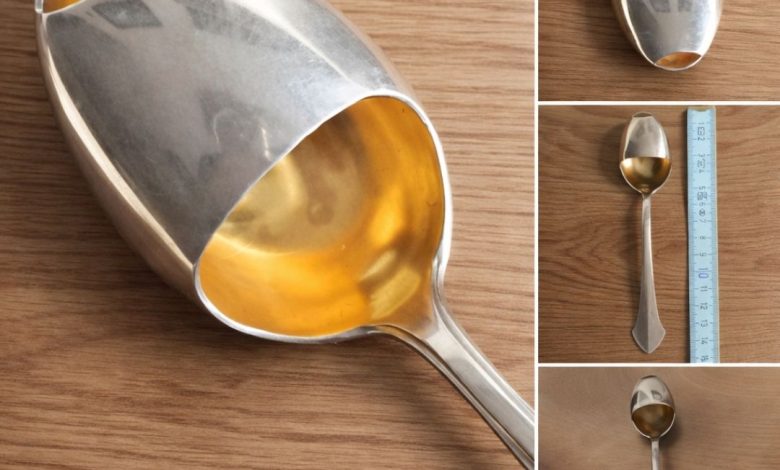
What This Object Is Called
This item is known as a silver medicine spoon, often also described as an invalid feeder spoon or medicine/feeding spoon. In some cases, similar examples are listed as silver-plated invalid feeder spoons, including versions associated with Christofle (Orfèvre à Paris).
Time Period and Origin
- Region: Europe
- Date range: 1701–1900 (commonly associated with 18th–19th century domestic and medical care)
Who Made It
Because these spoons were produced across Europe over a long period, the maker can vary by example. One known named maker tied to comparable pieces is:
- Christofle (Orfèvre à Paris), producing silver-plated versions marketed for patient care and feeding assistance.
Key Design Features (What You’re Looking At)
The spoon is immediately recognizable by its unusual bowl construction:
- A partially covered (half-covered) bowl that forms a protective “hood” over the liquid
- A small opening/hole at the end, positioned so liquid can be guided into the mouth more precisely
- A long, gently curved handle typical of caregiver-assisted feeding
- Many examples are made in silver or silver plate, chosen for durability and easy cleaning
What It Was Used For
This spoon was designed to make caregiving easier, especially for people who were weak, ill, or bedridden.
Primary uses included:
- Administering liquid medicine (tonics, syrups, or other prescribed liquids)
- Feeding patients small amounts of broth, gruel, or other thin foods when swallowing or sitting upright was difficult
- Reducing mess during caregiving, particularly when a patient could not control head position or mouth opening well
Why the Spoon Is Half Covered
The half cover was not decorative—it solved real problems caregivers faced:
- Prevents spilling: The cover helps keep liquid from sloshing out if the patient moves suddenly or if the caregiver’s hand shifts.
- Directs the flow: The liquid can be poured through the end opening in a controlled stream into the mouth.
- Reduces patient resistance: By limiting visibility, it may have helped anxious patients avoid seeing or focusing on the medicine before taking it.
How It Worked in Practice
A caregiver could:
- Fill the spoon under the protective cover
- Bring the spoon to the patient’s lips
- Angle the spoon so the liquid exits through the end opening, delivering the dose with less chance of dribbling or spilling
Why It Matters Historically
The covered medicine spoon reflects a time when much of healthcare happened at home, supported by family members or household staff. It represents:
- The rise of specialized domestic caregiving tools
- A blend of practical design and fine craftsmanship
- An era when even medical implements were often made to look refined and household-appropriate