After Years Out of the Spotlight, “Grease” Star Stockard Channing Reappears and Fans Barely Recognize Her
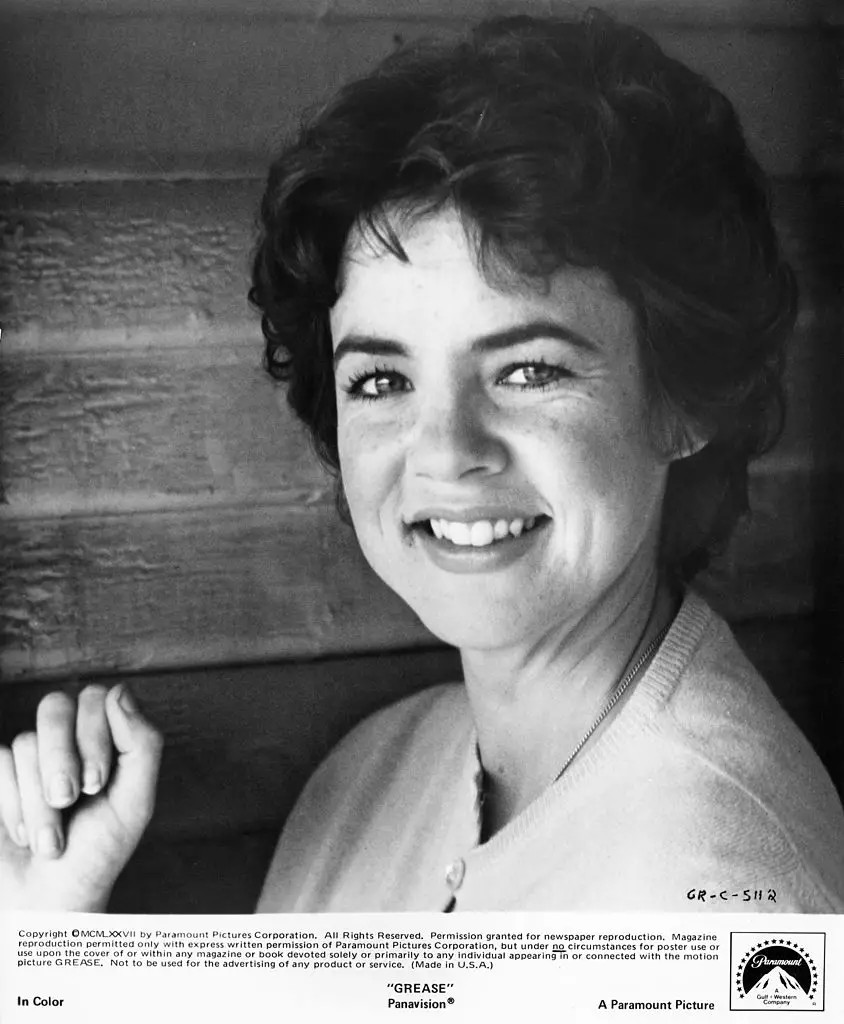
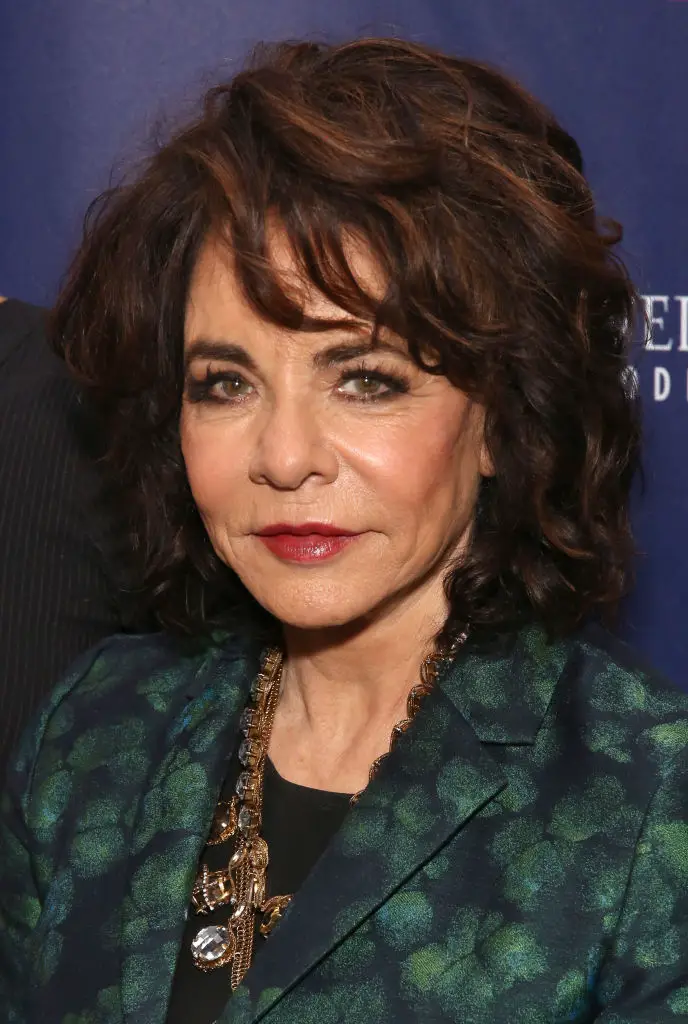
More than four decades after Grease became a pop-culture phenomenon, renewed attention is turning toward the actress who brought one of the movie’s most memorable characters to life: Betty Rizzo, played by Stockard Channing. A recent public appearance sparked an intense wave of reactions online, with many viewers saying she looks dramatically different today.
Key details at a glance
- Stockard Channing played Rizzo in Grease, one of the film’s standout rebel characters.
- She was 34 years old when she landed the role, despite playing a high-school student.
- Channing is now 79, and her recent appearance led to a flood of commentary about aging and cosmetic procedures.
- She appeared on Lorraine Kelly’s daytime talk show while promoting her stage work, including the West End production “Apologia.”
- The discussion quickly expanded into a broader debate about how celebrities—especially women—are judged for getting older.
Why “Grease” still matters
The story revisits how Grease remains deeply embedded in popular culture. The film’s romance—between the charismatic Danny Zuko and the shy transfer student Sandy Olsson—helped define an era of movie musicals and shaped youth culture at the time.
The movie’s impact is often tied to moments audiences still remember vividly, including:
- The music and dance numbers
- The school social scenes and prom sequence
- The car-race storyline
- Other iconic set pieces that became part of the film’s long-lasting appeal
The movie also propelled its leads into even bigger fame:
- Olivia Newton-John and John Travolta became household names.
- Newton-John’s performance of “Hopelessly Devoted to You” earned major awards attention, including an Oscar nomination for Original Song.

Rizzo’s actress steps back into view
While the spotlight often focuses on the film’s lead couple, the article emphasizes that Grease elevated more than just its two main stars. Stockard Channing’s Rizzo became an instantly recognizable character—bold, sharp-tongued, and unforgettable.
The renewed interest surged after Channing appeared on Lorraine Kelly’s daytime talk show, where she discussed her work and acknowledged the surprising fact that people remain highly invested in Grease so many years later.
What Channing said about the movie’s ongoing popularity
On the show, Channing reflected on how persistent the Grease obsession has been, expressing disbelief at how long it has lasted. She also described how overwhelming public attention can feel—especially when fans crowd in for photos after performances.
A key theme from her remarks was the strange contrast between:
- A role rooted in teenage life
- An audience that still treats the character like a present-day phenomenon
- The reality of time passing for the performers themselves
The reaction: praise, shock, and harsh speculation
After the appearance aired, social media quickly shifted focus from her comments to her face and overall look. Many viewers said she looked “unrecognizable,” and speculation spread that she may have had cosmetic procedures, such as fillers or facial surgery.
The public response included a mix of:
- Surprise at how different she looks now
- Judgmental remarks about cosmetic work
- Sympathetic comments criticizing society’s pressure on women to stay youthful
- Debate over whether anyone—celebrity or not—should be expected to “age gracefully” in a way that pleases strangers
A wider debate about aging and public expectation
As reactions multiplied, the conversation expanded beyond Channing herself. Many comments focused on the idea that women—particularly public figures—face relentless scrutiny for visible aging, and that cosmetic procedures can become a no-win situation: criticized if you do them, criticized if you don’t.
The strongest recurring sentiments were:
- Aging is natural and shouldn’t be treated like a failure.
- Women feel disproportionate pressure to look “young” indefinitely.
- Attempts to maintain a past appearance can invite even more public backlash.
The takeaway
Channing’s reappearance has become less about a single TV segment and more about what it triggered: a familiar cycle of celebrity scrutiny, body commentary, and debates about how aging is “supposed” to look. Regardless of where opinions land, the moment underscores one clear reality: the cultural obsession with Grease endures—and so does the public’s tendency to judge its stars long after the credits roll.