Emma Heming Willis Shares Emotional Holiday Update on Bruce Willis Days Before Christmas
Emma Heming Willis, the wife of actor Bruce Willis, has shared a deeply personal reflection on what the holiday season looks like for their family as they continue to navigate his health challenges. Posting ahead of Christmas, she described a season that still holds warmth and meaning—but now comes with a complicated mix of love, adjustment, and grief.
What’s happening with Bruce Willis
Bruce Willis has largely stayed out of the public eye since receiving an aphasia diagnosis in 2022, a condition that affects communication. His family later confirmed that he is also living with frontotemporal dementia, a progressive condition that impacts behavior, language, and cognition. Alongside the initial diagnosis, the family also announced that Willis was retiring from acting.
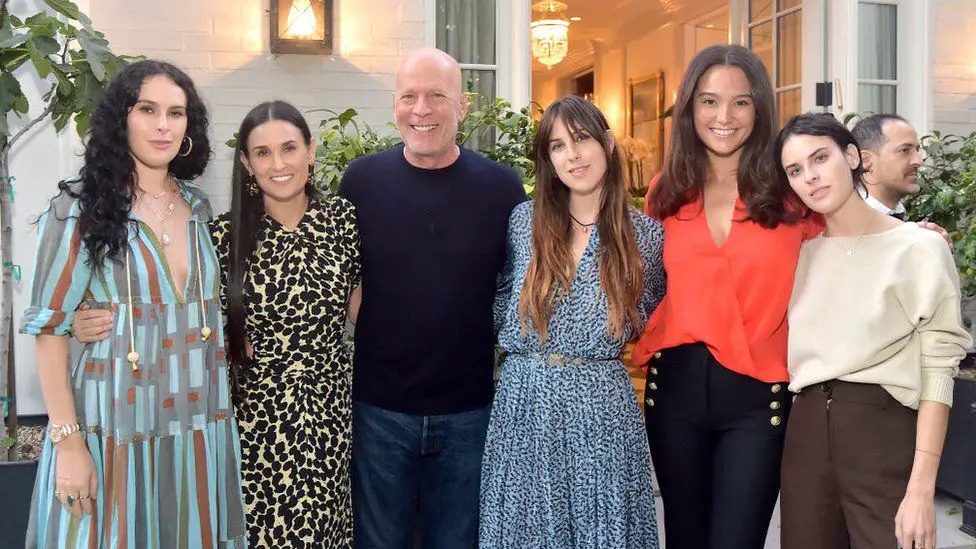
Emma’s “heartbreaking” holiday message
In her latest update, Emma wrote that the holidays now “look different” for their family. She described how traditions that once felt easy can now require “lots of planning,” and how joyful moments can arrive mixed with grief.
Key points from her reflection include:
- Traditions take more effort now: things that used to happen naturally can require careful coordination.
- Grief shows up in everyday moments: not only in major milestones, but in small reminders of how life has changed.
- Joy still exists: even with the sadness, she emphasized that meaning and warmth can still be present.
- Caregiver grief is real: she underscored that grief isn’t only tied to death—it also belongs to change and “ambiguous loss.”
She also looked back on Bruce’s role during past Christmas seasons, saying he loved the energy of the holidays and was often at the center of family traditions. She described him as the pancake-maker, the parent who would head into the snow with the kids, and the steady presence guiding the rhythm of the day. As she put it, dementia doesn’t erase those memories—but it creates distance between “then and now,” and “that space can ache.”

A major family decision revealed earlier this year
Emma also referenced a difficult step the family took in recent months: moving Bruce into a nearby, one-story home with full-time caregivers. She explained that this decision was made in response to what their family needs look like now, and how care has to be structured to keep him supported.
The day-to-day reality during the holidays
Emma didn’t present the season as inspirational perfection. Instead, she was candid about the strain of stepping into responsibilities that Bruce once handled—like managing holiday tasks and household traditions.
She shared that she sometimes finds herself frustrated while doing jobs that used to be his, not out of anger at him, but because she misses the way he once “led” the holiday season. Importantly, she framed that frustration as a normal, human part of caregiving—loving someone and still feeling the weight of change.

Her message to other families
Emma ended with encouragement for others who are caring for loved ones through dementia-related illness: allow space for grief, and at the same time, create new versions of traditions.
This year, she wrote, their family will still gather, unwrap gifts, and sit down for holiday breakfast—but instead of Bruce making their favorite pancakes, she will.
The takeaway
Emma Heming Willis’ update is less about a single new development and more about a clear, honest picture of life now: a family adapting to dementia, holding onto traditions, and learning how to make room for both sadness and joy during the holidays.