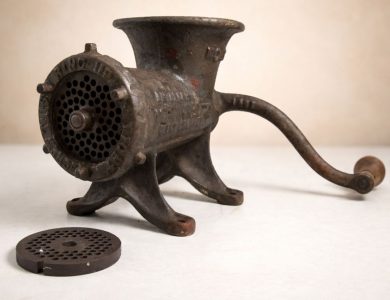
Bought this at an antiques fair, label says “not sure what it is $10.00”. I asked everywhere at the fair after buying it, no luck.
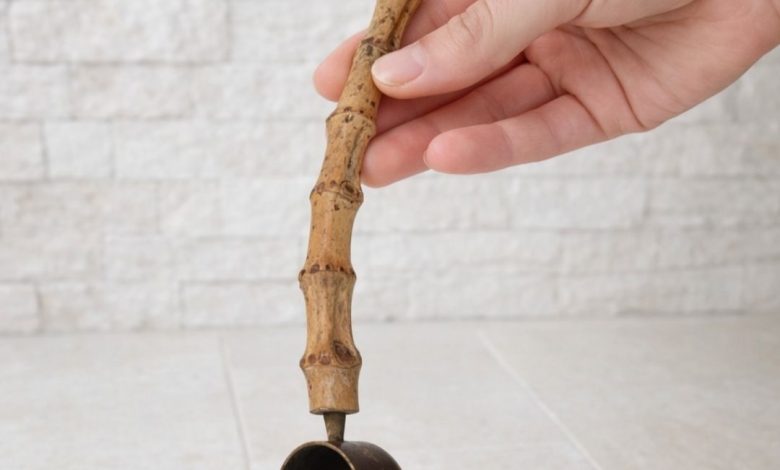
1) What the Object Looked Like
At first glance, the item seemed confusing because it combined two very different parts:
- A sharp spike at one end
- A small metal scoop/spoon at the other end
- A handle shaped like bamboo or carved wood, giving it a distinctly “old-world” look
It was even labeled “not sure what it is $10.00”, making the mystery part of its appeal.
2) What It Was Identified As
After vendors at the fair could not confirm its use, online discussion helped solve it. The object was identified as a traditional tool for handling compressed tea bricks:
- The spike is used to dig into or pry pieces from a dense, compressed brick of tea
- The scoop is used to measure a consistent portion for brewing
3) Why Tea Was Compressed Into Bricks
The discovery makes more sense once you understand tea-brick culture. Tea bricks were valued because they were:
- Compact for storage
- Durable for long-distance travel
- Easier to transport along major trade routes
In some regions, tea bricks were also used as a medium of exchange (a form of currency), especially across parts of Asia and Eastern Europe, including trade networks connected to the Silk Road.
4) Why This Spike-and-Scoop Design Was So Practical
Tea bricks are hard and tightly packed, so they are not meant to be casually pinched or crumbled like loose-leaf tea. This tool solved two problems at once:
- Breaking the tea: The spike helps separate pieces efficiently without wasting the brick.
- Measuring the tea: The scoop helps create repeatable portions for consistent brewing.
5) Cultural Meaning: More Than a Simple Utensil
Tea traditions often emphasize care, precision, and hospitality. This tool reflects that mindset because it supports a ritual-like process:
- Extract a piece carefully
- Measure it intentionally
- Brew with attention and respect
In that way, the object is not only functional—it also represents the social and ceremonial importance of tea in many cultures.
6) The “Other Name” Confusion: Measuring Spoon or Ice Cream Scoop?
The object may also be described in listings as “Vintage measuring spoon” or “Vintage Ice Cream Scoops.” Those names can appear because the scoop end resembles serving tools. However, the presence of the spike strongly suggests it was designed for prying/penetrating a solid block, which aligns closely with tea-brick handling rather than ordinary kitchen scooping.
7) Who Created It and When Did It First Appear?
- Creator: The exact individual inventor is typically not recorded, because many everyday trade and household tools evolved through regional craftsmanship rather than a single patented design.
- Time period: The tool is associated with historical periods when tea bricks were widely used for trade and daily life, especially along long-distance routes where compressed tea was practical.
Key Takeaways (Quick Summary)
- This mysterious spike-and-scoop item was identified as a tea-brick tool.
- Spike = break/pry tea from a compressed brick.
- Scoop = measure a portion for brewing.
- Tea bricks were valued for transport, storage, and sometimes currency-like exchange.
- The tool highlights how an everyday object can become an enigmatic antique once its cultural context fades.