What Is This Mysterious Kitchen Tool? The Meat Grinder Explained
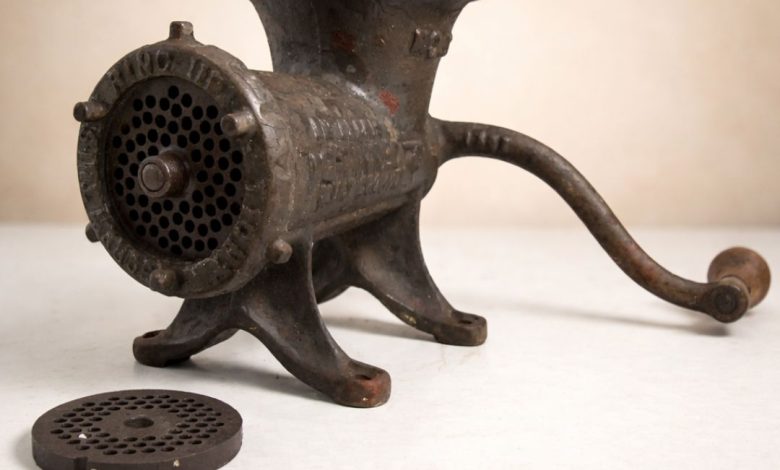
If you’ve ever come across a heavy, oddly shaped kitchen device with a crank (or a compact motor), there’s a good chance you were looking at a meat grinder—also called a “meat mincer” in the UK. While some people immediately recognize it, others might mistake it for a strange clamp or a piece of workshop equipment. In reality, it’s a classic culinary tool built for one main job: turning food into evenly minced pieces.
What a Meat Grinder Does
A meat grinder is designed to mince (finely chop) raw or cooked foods in a consistent way. Although it’s most associated with meat, it can also process a variety of ingredients.
Common foods you can mince or grind include:
- Meat (beef, pork, chicken, etc.)
- Fish and seafood
- Vegetables
- Other similar food items that can be pushed through the grinding mechanism
Before meat grinders became common, people relied on traditional mincing knives and manual chopping, which took longer and often produced uneven results. The grinder replaced much of that effort with a more controlled, repeatable process.
How a Meat Grinder Works
Even though models vary, the operating concept is straightforward and highly mechanical.
The basic process:
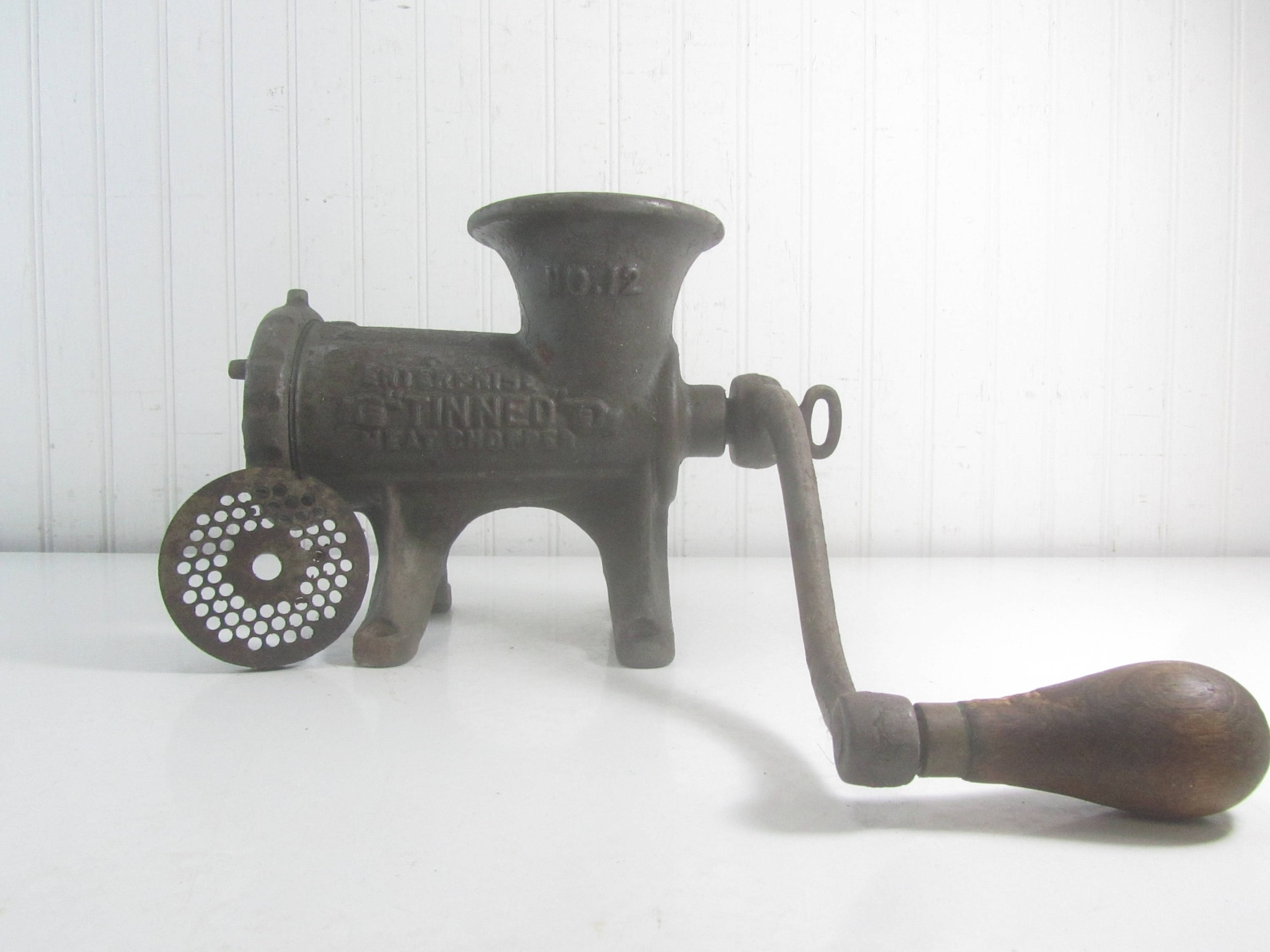
- Food is placed into a funnel (hopper) at the top.
- The food drops into a chamber where a horizontal screw conveyor (auger) sits.
- The auger moves the food forward as it compresses and mixes it.
- The food is forced toward a fixed metal plate at the front.
- The minced food exits through the plate’s holes, and the hole size determines the fineness of the final grind.
Key parts to know:
- Funnel/Hopper: where ingredients are fed in
- Screw conveyor (auger): pushes and compresses food forward
- Fixed plate (grinding plate): controls texture and thickness
- Crank or motor: provides power (manual or electric)
Why plate size matters:
- Smaller holes = finer mince
- Larger holes = coarser grind
This simple detail is what makes meat grinders useful across different recipes and textures.
Hand-Crank vs. Electric Models
Meat grinders generally come in two main types, depending on how the auger is powered.
Manual (hand-cranked) grinders:
- Operated by turning a hand crank
- Often clamped to a table or countertop
- Best for small batches and traditional use
Electric grinders:
- Powered by a motor, making them faster and less physically demanding
- Designed for larger volumes and consistent output
- Often chosen for frequent home cooking or bulk prep
A Brief History: Where the Meat Grinder Began
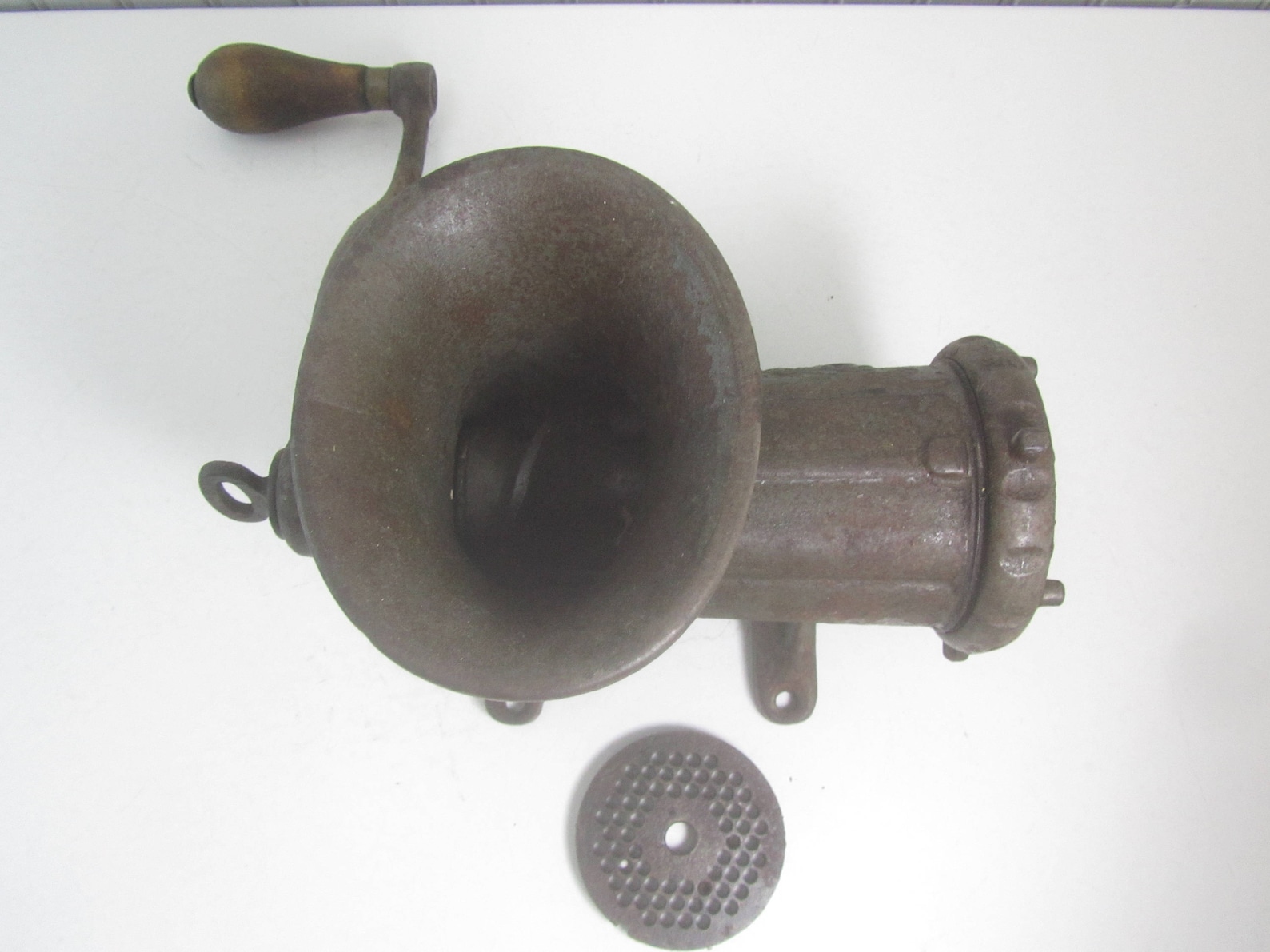
The meat grinder traces back to the nineteenth century, when Karl Drais pioneered an early version of the tool. The earliest models were hand-cranked and worked by forcing meat through a metal plate with small holes, producing long, thin strands.
This invention mattered because it offered:
- More consistent mincing
- Faster processing than knife-mincing
- A foundation for later kitchen mechanization
How the Meat Grinder Evolved
As electricity became widely available, the meat grinder transformed from a purely manual device into a modern kitchen appliance.
Major improvements over time include:
- The rise of powered meat grinders for speed and uniform results
- Better consistency when processing large quantities
- Expanded functionality through special attachments
Modern features and attachments can include:
- Sausage-making tubes
- Kibbe attachments
- Juicing components
- Other add-ons that broaden what the machine can do beyond meat
Why the Meat Grinder Still Matters Today
Even in a world full of food processors and pre-packaged options, the meat grinder remains relevant because it gives cooks control over:
- Texture (fine vs. coarse)
- Ingredient choice (what goes in—and what doesn’t)
- Batch size (from small meals to big prep days)
Conclusion: A Tool That Reflects Culinary Progress
From a modest hand-cranked device to a high-efficiency electric appliance, the meat grinder represents a clear line of technological and culinary advancement. Its mechanism is simple but powerful: feed food in, compress it through an auger, and shape the output through a plate—creating consistent results that generations of cooks have relied on.