If you know what this is, you must be old
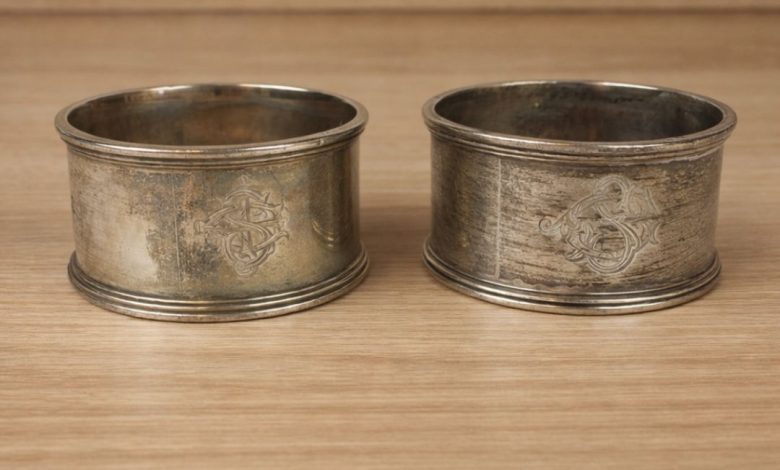
Antique Napkin Rings are small circular bands, traditionally made from metal such as silver, brass, or pewter, designed to hold folded cloth napkins. The examples shown feature a simple cylindrical form with engraved monograms, indicating personal or family ownership.
Historical Origins
- Period of Appearance: Napkin rings first became widely used in the mid-19th century, particularly during the Victorian era.
- Historical Context: At that time, cloth napkins were reused by the same individual across multiple meals, making identification necessary.
Creators and Craftsmanship
- Who Created Them: Antique napkin rings were produced by silversmiths and metalworkers, often working in small workshops or for well-known silverware manufacturers.
- Craft Techniques:
- Hand-formed metal bands
- Engraving or etching of initials, crests, or decorative motifs
- Polished or lightly textured finishes reflecting everyday use

Purpose and Function
- Primary Use:
- To identify individual napkins in households where napkins were reused between meals
- Secondary Uses:
- To keep napkins neatly rolled and organized on the dining table
- To add a refined, decorative element to formal table settings
Cultural and Decorative Significance
- Napkin rings symbolized order, etiquette, and domestic refinement in upper- and middle-class households.
- Engraved initials often reflected family heritage or personal status.
- Today, antique napkin rings are valued as collectible decorative objects, appreciated for their patina, craftsmanship, and historical character rather than daily use.